Ho Či Minovo město
Discover Ho Chi Minh City: Where Saigon’s Past Meets Its Modern Spirit
Fast-paced, colourful and constantly evolving, Ho Chi Minh City is a place where layers of history and contemporary life come together. Still affectionately known as Saigon, the city combines French colonial architecture, historic landmarks, modern neighbourhoods and lively streets filled with cafés, markets and local eateries.
From the elegant streets of District 1 and the historic Reunification Palace to the colourful atmosphere of Chợ Lớn, the city’s Chinese quarter, every neighbourhood reveals a different side of southern Vietnam. Beyond its landmarks, the real character of Ho Chi Minh City can be found in its street food, hidden cafés, bustling markets and the everyday rhythm of life unfolding around you.
Whether discovering the city on foot, tasting its diverse cuisine, exploring its history or simply watching the streets come alive from a local café, Ho Chi Minh City offers an engaging introduction to southern Vietnam.
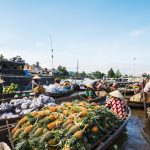
For travellers beginning or ending their journey in the south, the city is also an ideal gateway to the Mekong Delta, Vietnam’s islands and other destinations across the region.
Památky
Mapa
Info
Discover the Many Faces of Saigon
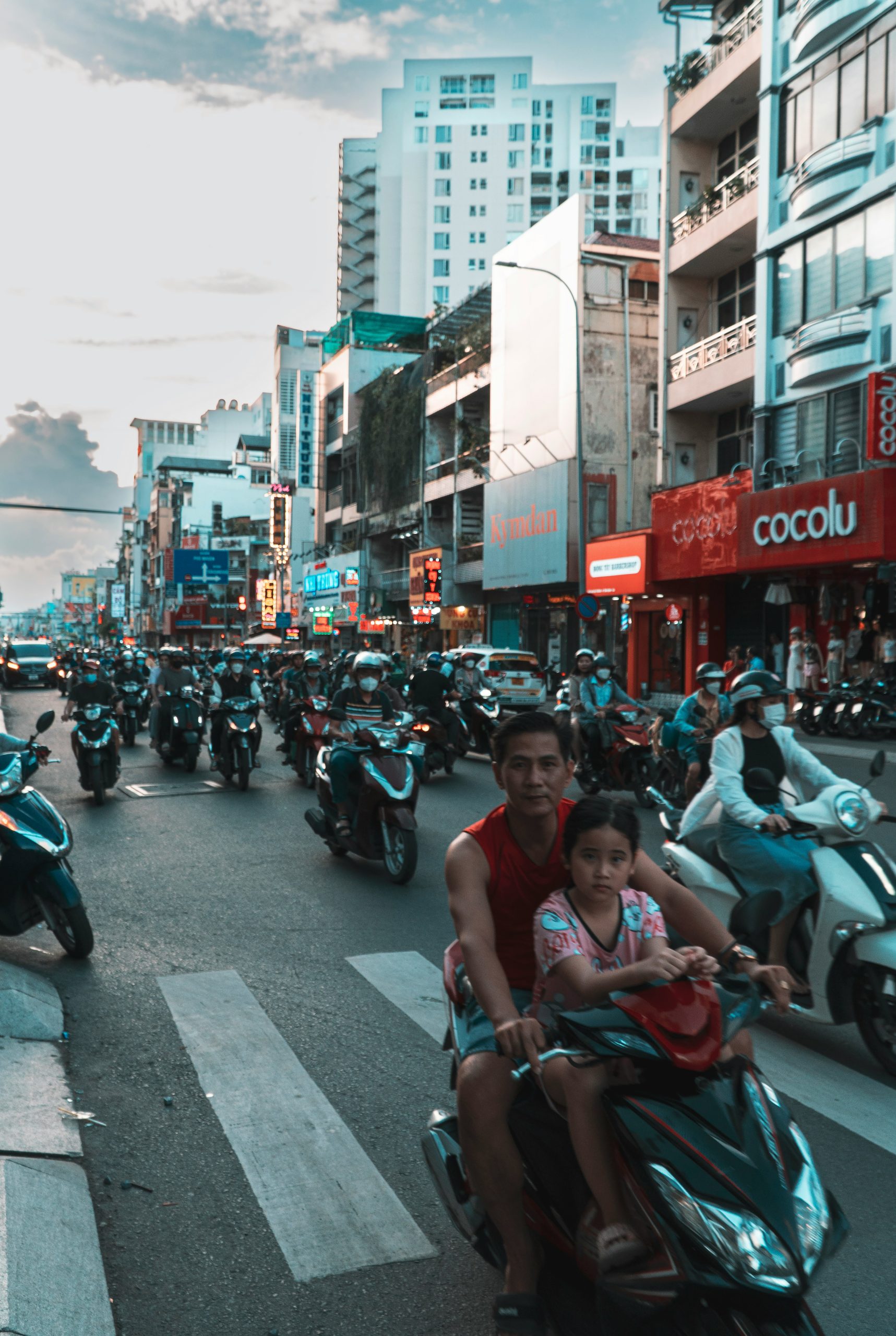
Ho Chi Minh City is a city of contrasts, where layers of history sit alongside modern architecture, traditional markets and an ever-changing street scene. The best way to experience it is to move beyond the main landmarks and discover the different neighbourhoods, flavours and everyday moments that give the city its character.
Historic Saigon & French Colonial Heritage
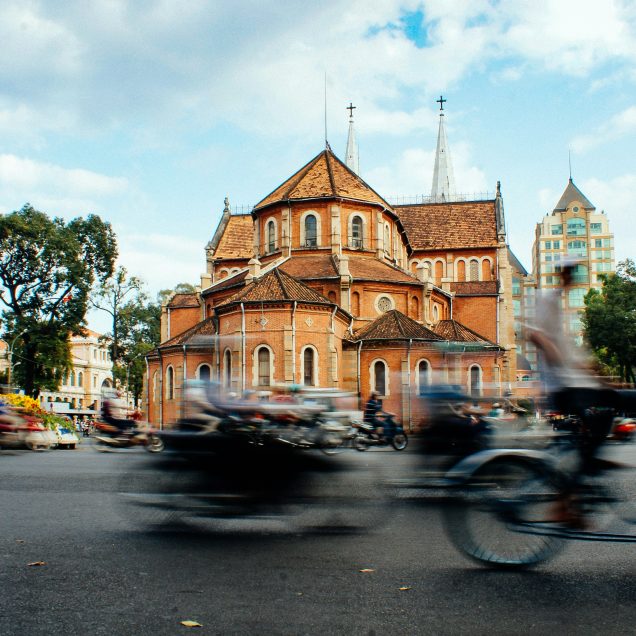
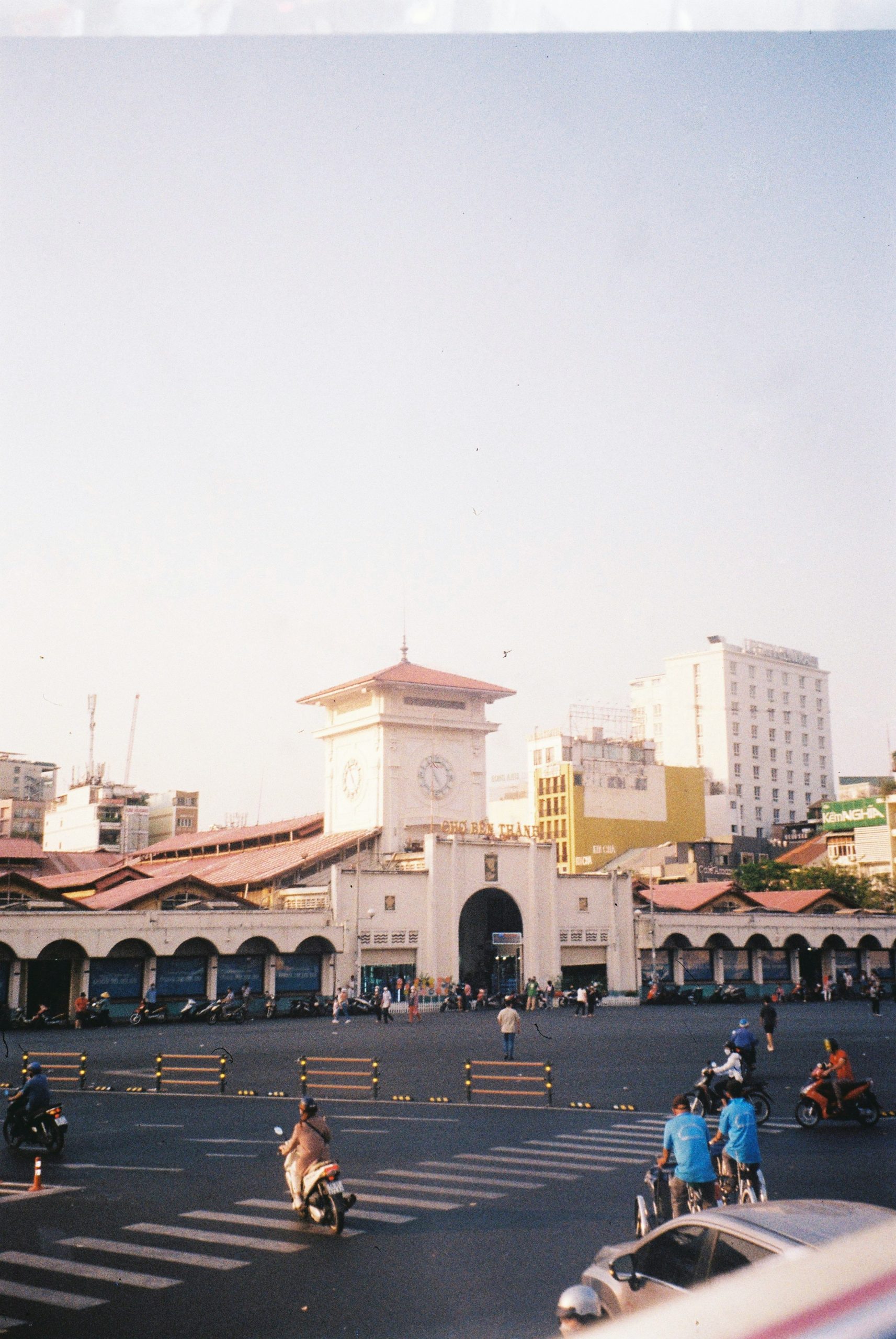
The centre of Ho Chi Minh City preserves some of the most recognisable traces of its past. The Notre-Dame Cathedral Basilica of Saigon, the Saigon Central Post Office and other historic buildings reflect the city’s French colonial heritage, while tree-lined streets and older neighbourhoods offer a different pace from the surrounding modern city.
Exploring this area on foot allows travellers to take in the architecture while discovering cafés, small shops and local streets along the way.
Reunification Palace & Vietnam’s History
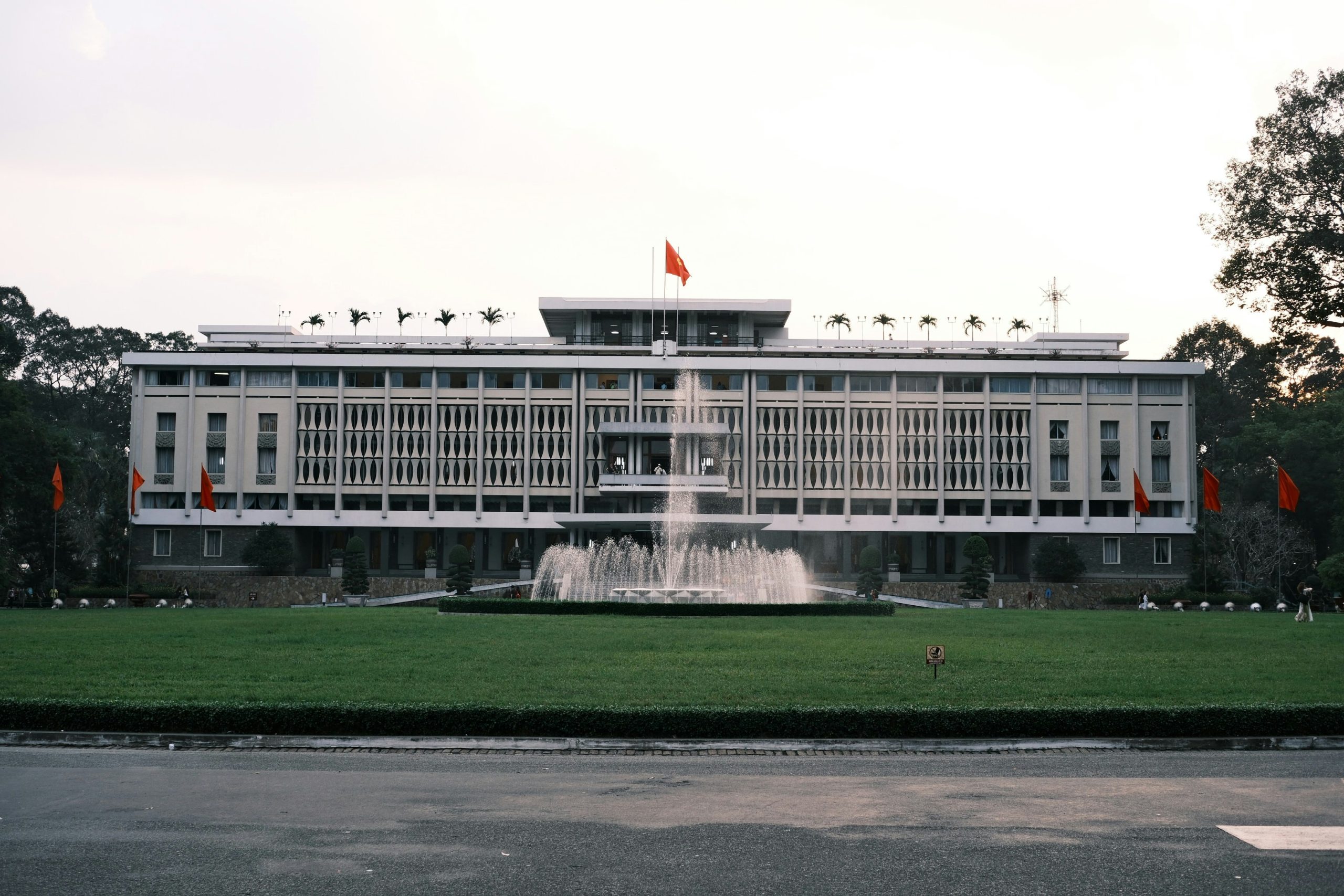
The Reunification Palace is one of Ho Chi Minh City’s most significant historical landmarks. Formerly the Presidential Palace of South Vietnam, it played an important role during the final stages of the Vietnam War.
Nearby museums and historic sites offer further opportunities to understand Vietnam’s complex 20th-century history. For travellers interested in the country’s past, the city provides an important starting point for putting the wider journey into context.
Chợ Lớn & Cultural Diversity
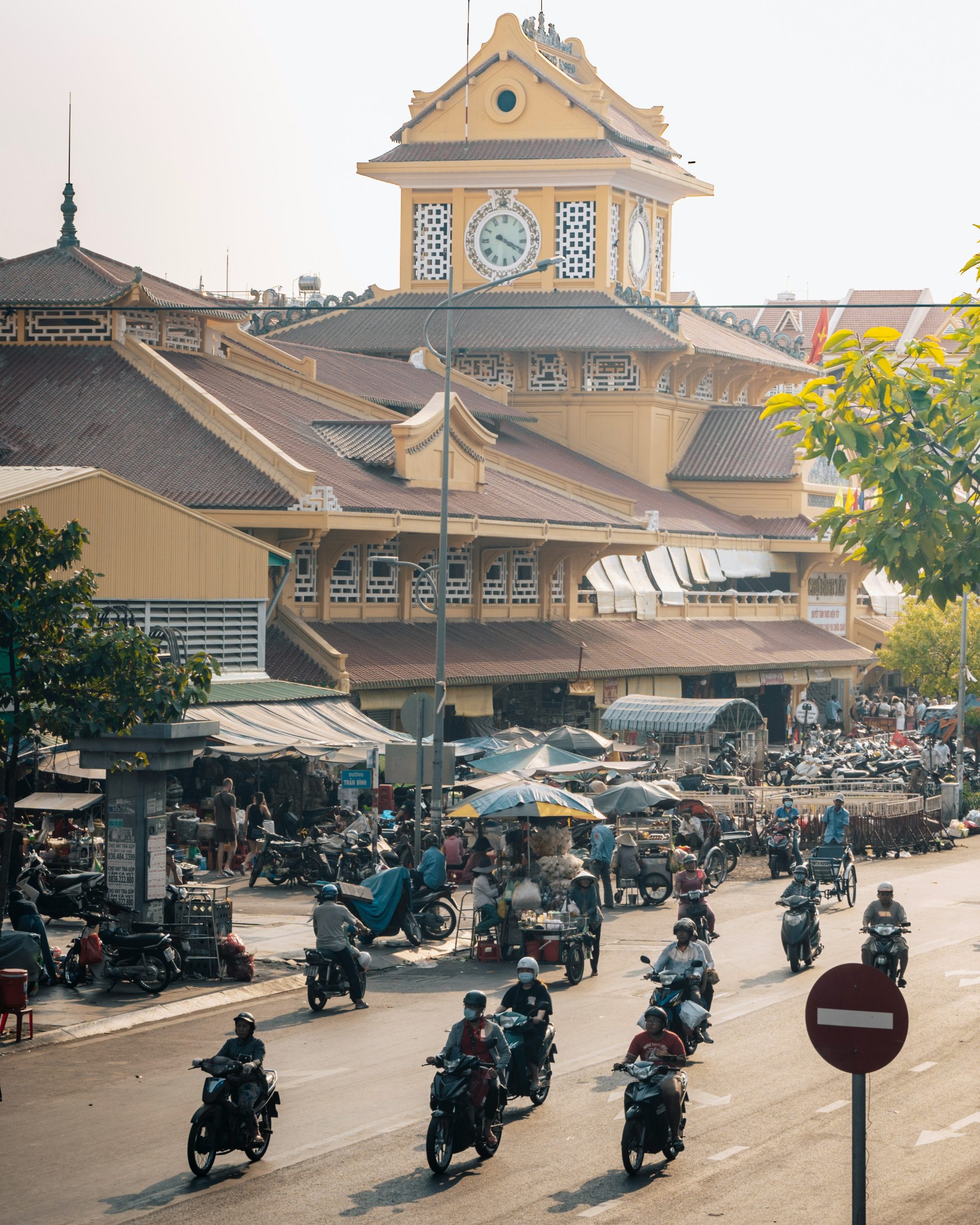
West of the city centre, Chợ Lớn, Ho Chi Minh City’s historic Chinese quarter, reveals another side of urban life. Centred around traditional markets, temples, family businesses and busy streets, the neighbourhood has a distinctive atmosphere shaped by generations of Chinese-Vietnamese communities.
A visit can include exploring Bình Tây Market, discovering historic temples and tasting some of the area’s distinctive dishes.
Markets, Street Food & Local Life
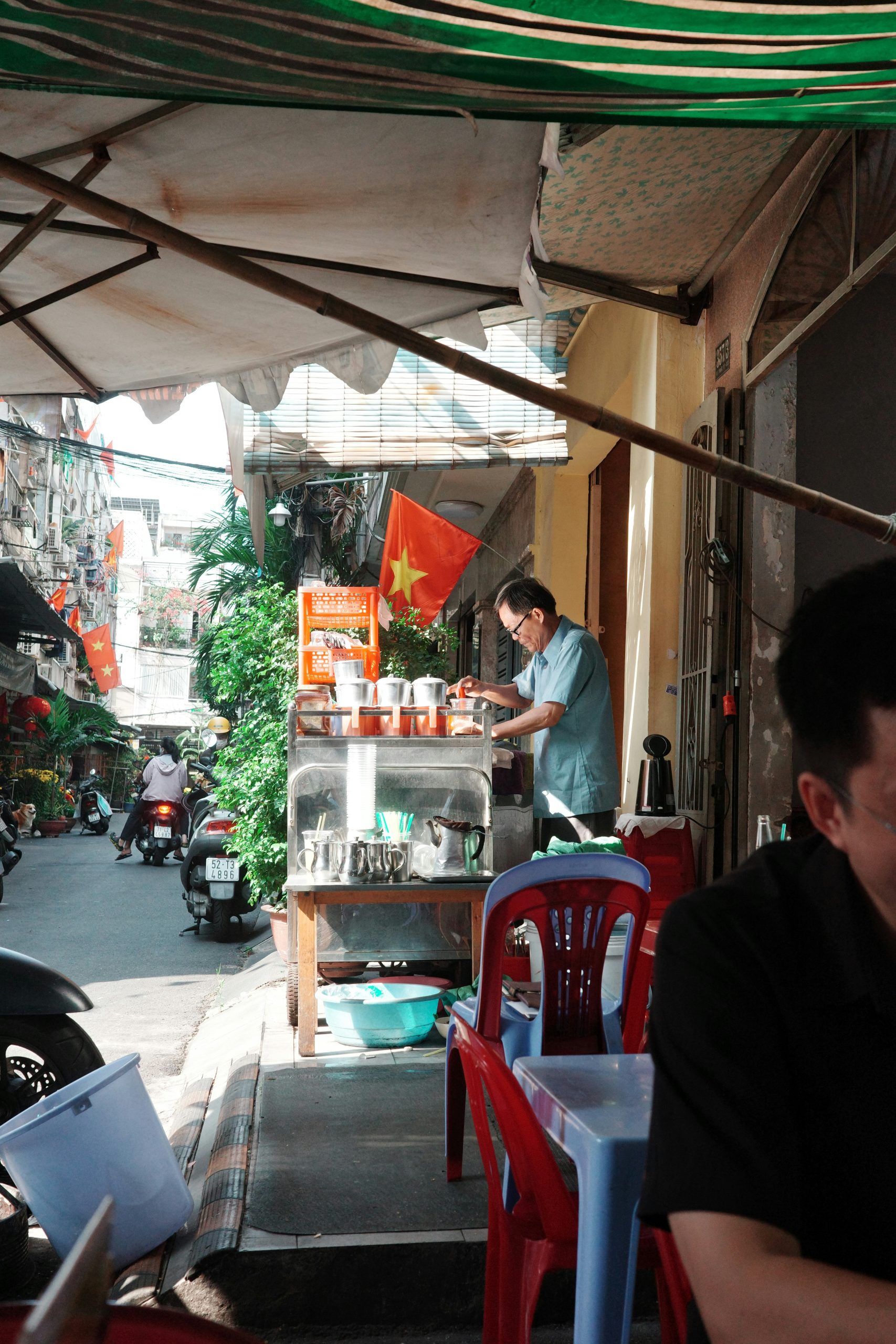
Much of Ho Chi Minh City’s character can be found away from its major landmarks. Local markets, street food stalls and small family-run restaurants bring the city to life throughout the day.
Travellers can discover Vietnamese specialities ranging from phở and bánh mì to cơm tấm and fresh seafood, while food tours and informal tastings offer a chance to explore the city’s diverse culinary traditions.
Cafés & Contemporary Saigon
Coffee is deeply woven into everyday life in Ho Chi Minh City. From traditional Vietnamese coffee served at small street-side stands to contemporary cafés tucked into renovated buildings and modern neighbourhoods, the city offers countless places to slow down and watch daily life unfold.
The café culture also reflects the city’s constantly evolving character, where traditional habits and contemporary influences naturally coexist.
The Modern City
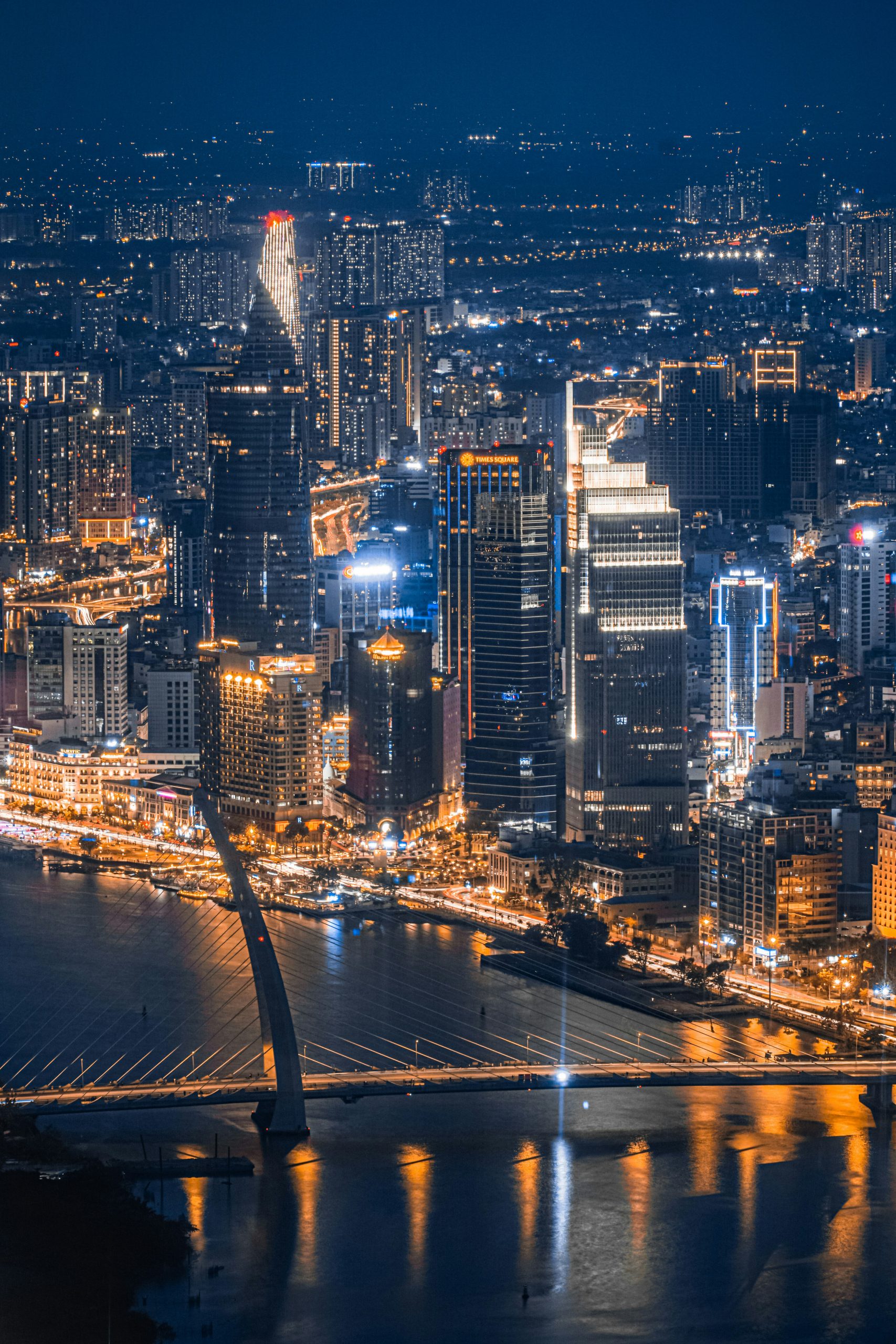
Alongside its historic buildings and traditional neighbourhoods, Ho Chi Minh City has developed into one of Vietnam’s most dynamic urban centres. Modern skyscrapers, rooftop viewpoints, shopping districts and contemporary restaurants have transformed parts of the city skyline.
The contrast between old and new is particularly striking around the central districts, where historic architecture can stand just a short walk from modern high-rises.
Beyond the City Centre
Ho Chi Minh City can also be used as a base for exploring destinations beyond the urban centre. The Cu Chi Tunnels offer an insight into Vietnam’s wartime history, while the Mekong Delta can be reached easily as part of a longer southern Vietnam itinerary.
For travellers with additional time, the city can also be combined with coastal destinations and Vietnam’s southern islands.
When to Travel
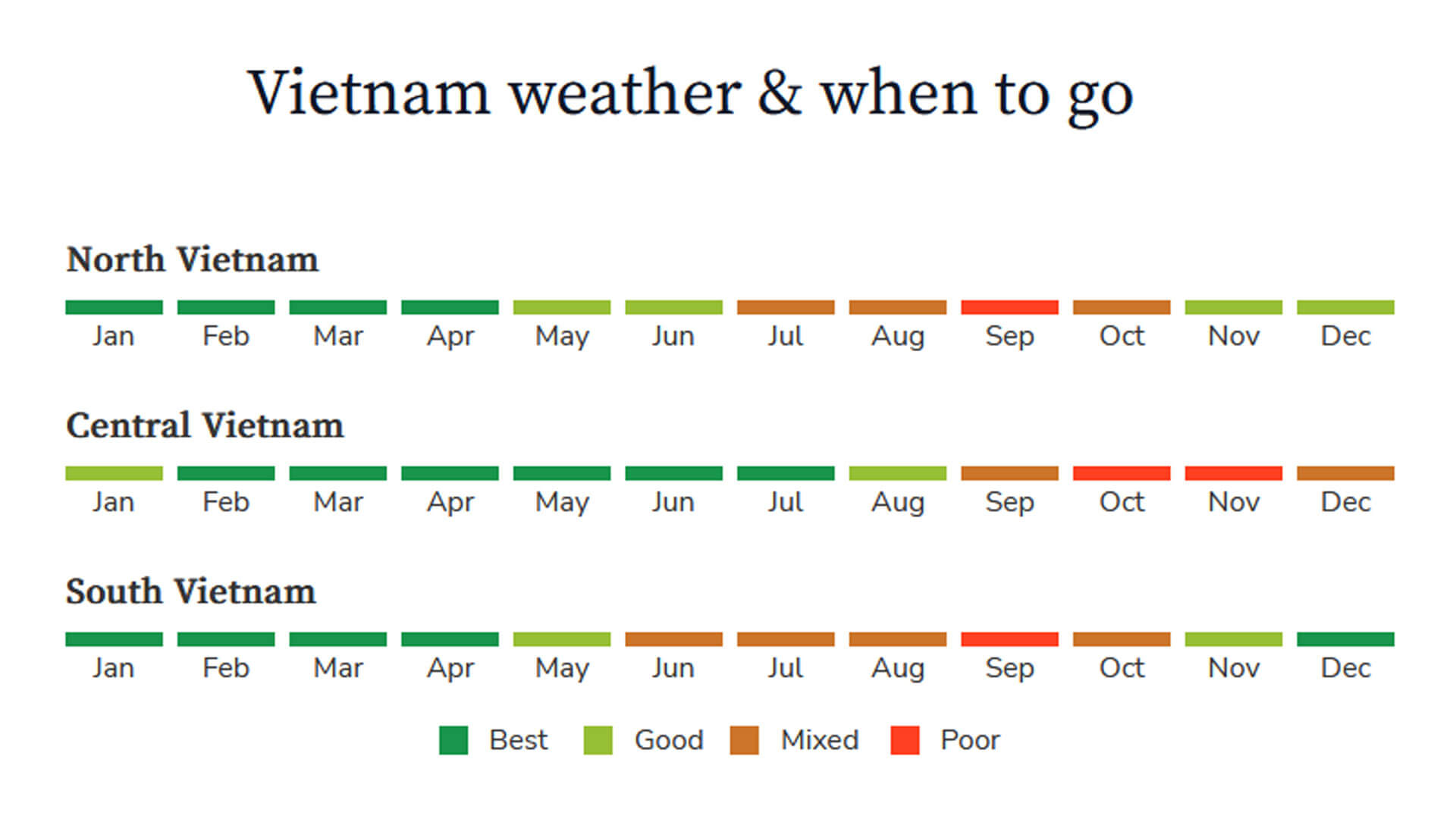
Ho Chi Minh City can be visited throughout the year. Its tropical climate brings warm temperatures year-round, with a generally drier period and a wetter season characterised by short, often intense rain showers.
December to April: Drier Season
Generally sunnier and more comfortable for exploring the city on foot, taking day trips and enjoying outdoor activities. This is also a popular period for travel.
May to November: Green & Rainy Season
Rain showers are more frequent, particularly in the afternoon, but they are often short-lived. The city remains lively throughout the season, and travellers can easily combine indoor cultural visits, cafés and food experiences with sightseeing.
Best for: walking, sightseeing and day trips → December–April
Best for: cafés, food and cultural experiences → Year-round
Ho Chi Minh City, Your Way
Whether you want to explore Vietnam’s history, discover Chợ Lớn, follow the city’s street-food culture, experience its café scene or simply wander through its neighbourhoods, Ho Chi Minh City offers many ways to begin your journey through southern Vietnam.
Viettourist can tailor your stay around your interests, combining Ho Chi Minh City with the Mekong Delta, Vietnam’s islands and other destinations across the country for a seamless journey.