Hanoj
Discover Hanoi: Where History Meets Everyday Life
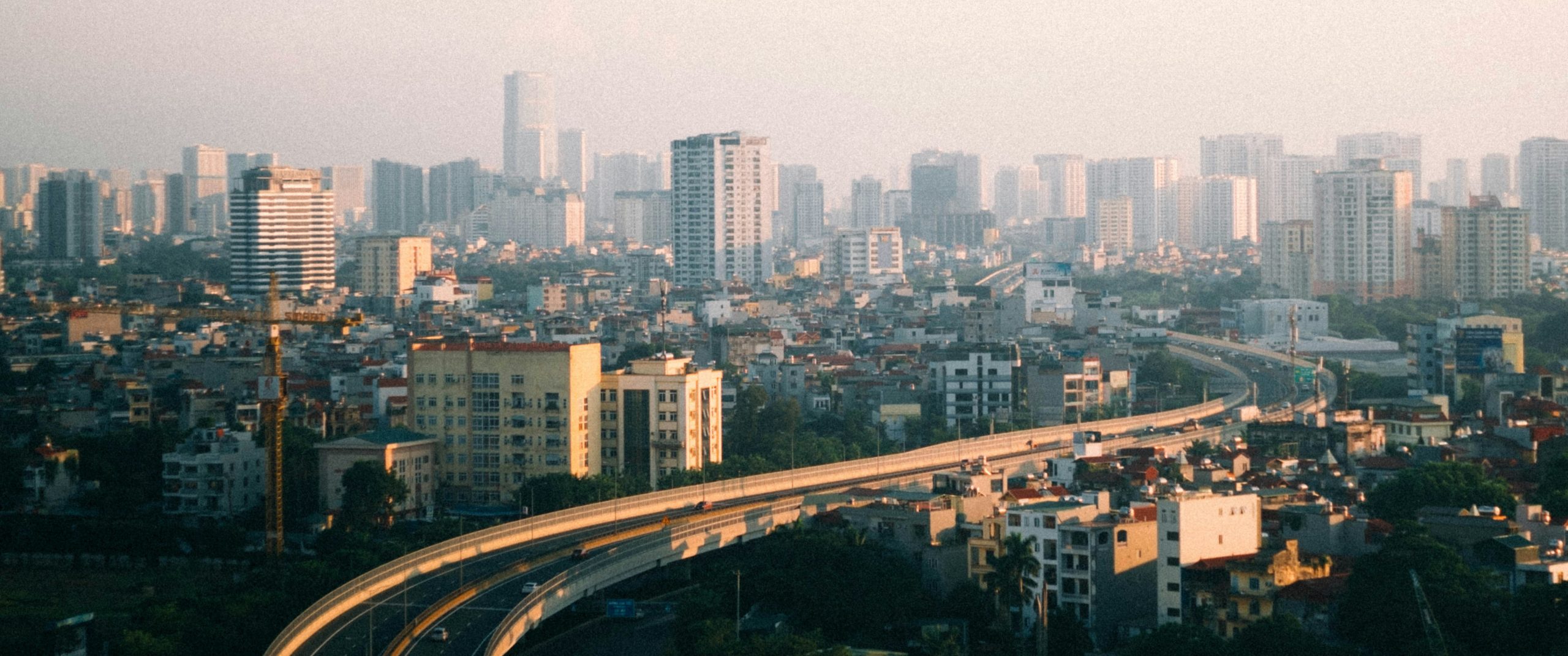
Hanoi is a city of contrasts, where centuries-old temples, French-colonial architecture, lively markets and modern cafés come together around tree-lined streets and hidden corners. The capital of Vietnam offers a fascinating introduction to the country’s history and culture, but its real character is found in the rhythm of everyday life.
At the heart of the city, the Old Quarter unfolds through narrow streets filled with local shops, street-food stalls and traditional houses, while the peaceful Hoan Kiem Lake provides a calm centre to the city’s energy. Beyond the historic heart, grand colonial buildings, elegant boulevards and neighbourhoods shaped by Hanoi’s changing identity reveal another side of the capital.
Whether you are discovering Vietnam for the first time or returning to explore it more deeply, Hanoi offers an experience that is rich in culture, flavours, encounters and unforgettable moments.
Památky
Mapa
Info
Places to Discover in Hanoi
The Old Quarter
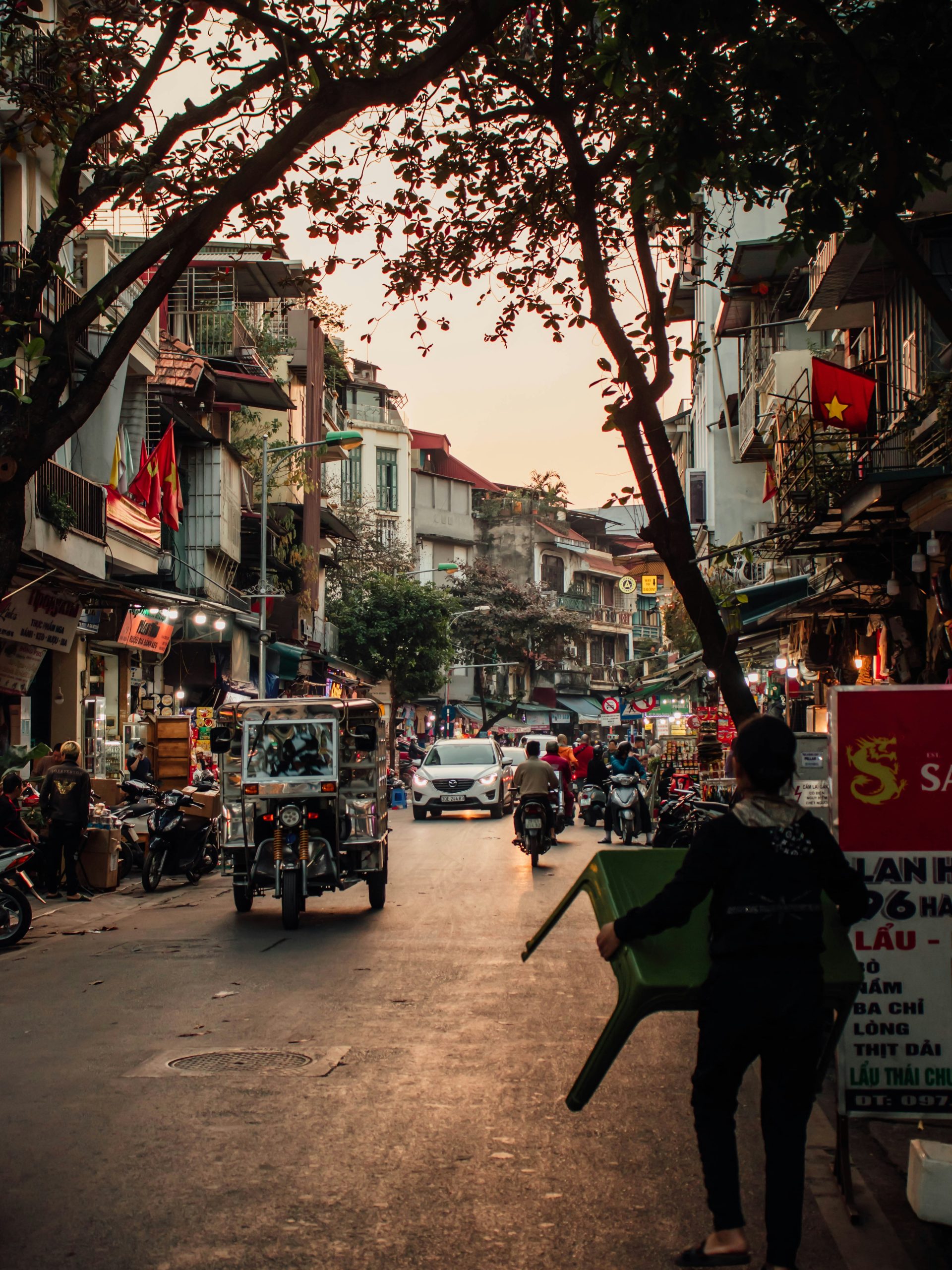
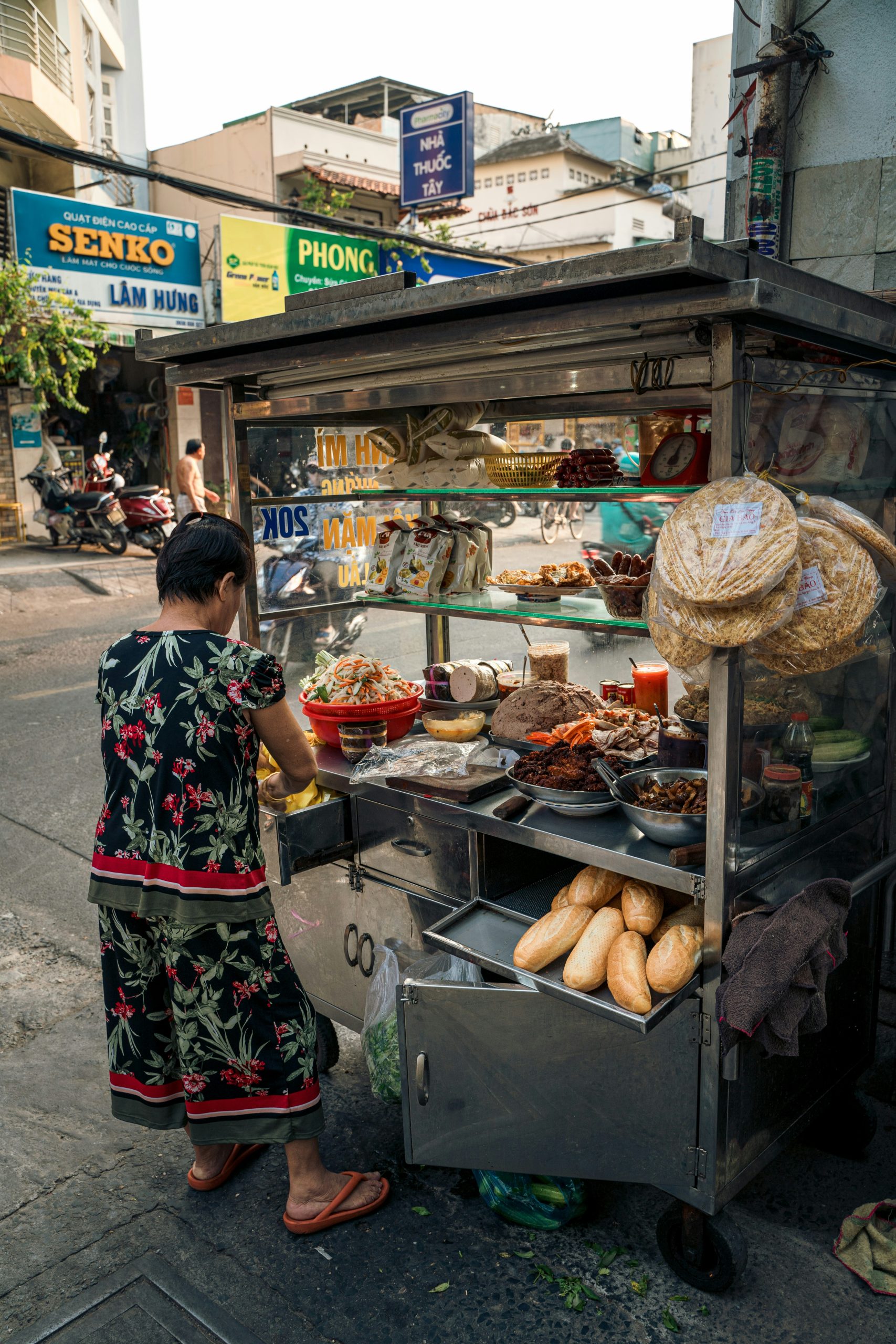
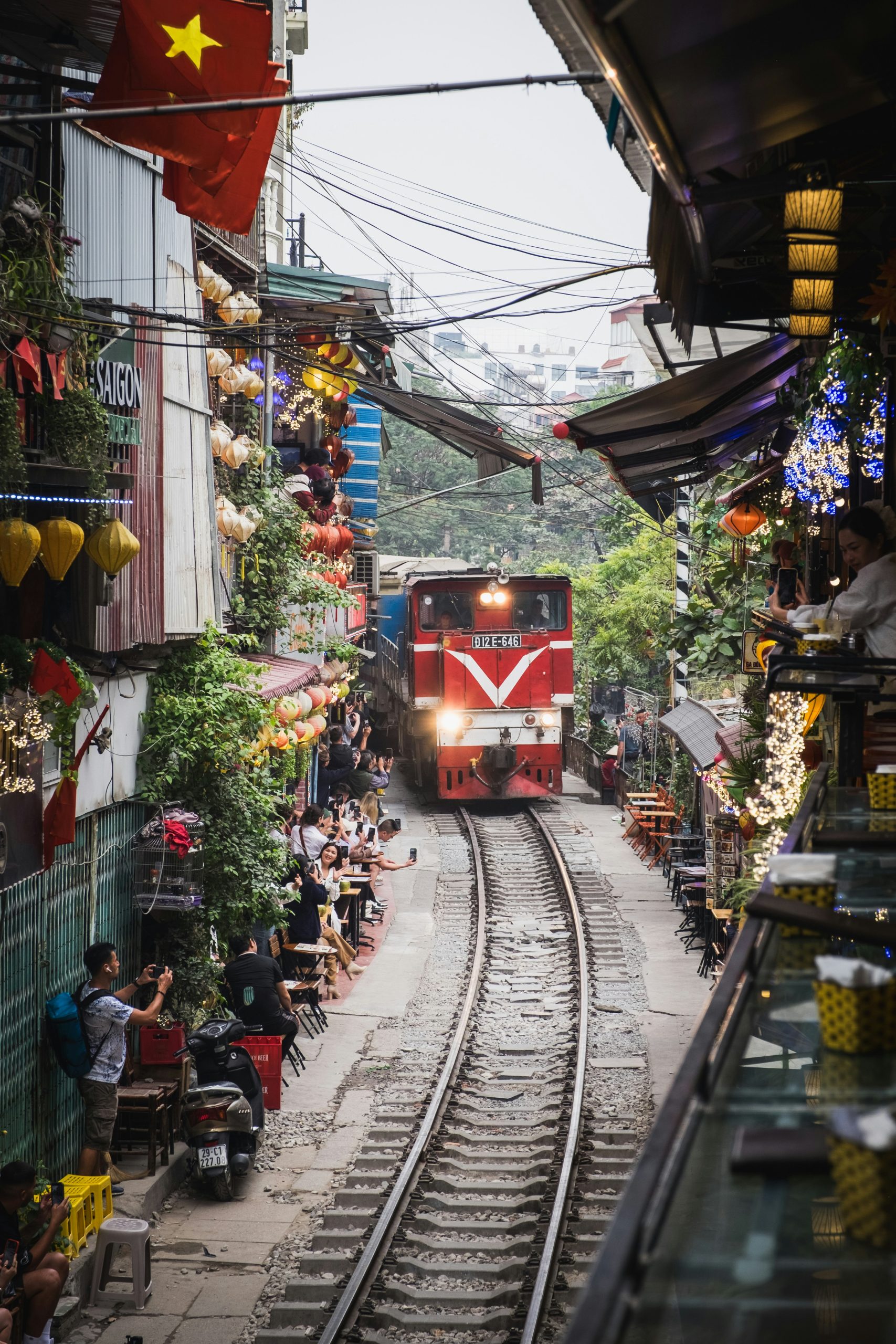
The historic heart of Hanoi is a maze of narrow streets, traditional houses, small shops, cafés and lively street-food stalls. Wander through the famous 36 Streets, each traditionally associated with a particular trade, and discover the character of the city through its everyday rhythm.
Hoan Kiem Lake & the French Quarter
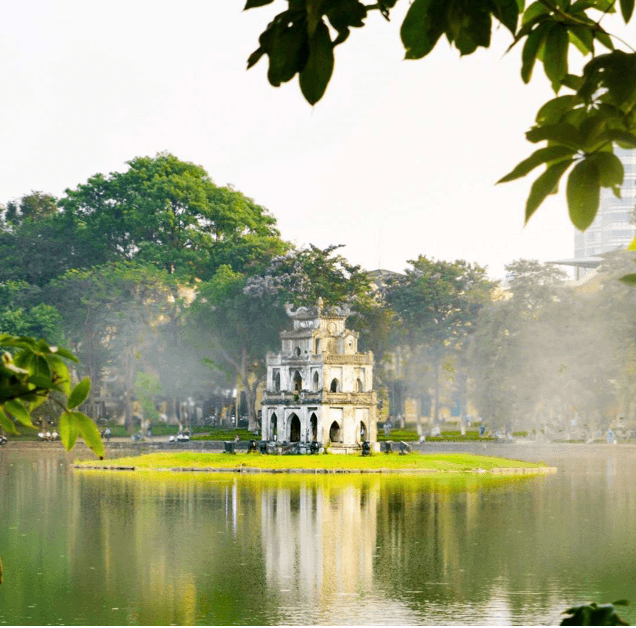
At the centre of Hanoi, Hoan Kiem Lake offers a peaceful contrast to the surrounding streets. Visit Ngoc Son Temple, walk along the lakeside and explore the elegant French Quarter nearby, where colonial architecture, tree-lined boulevards and historic buildings reveal another chapter of Hanoi’s past.
The Temple of Literature
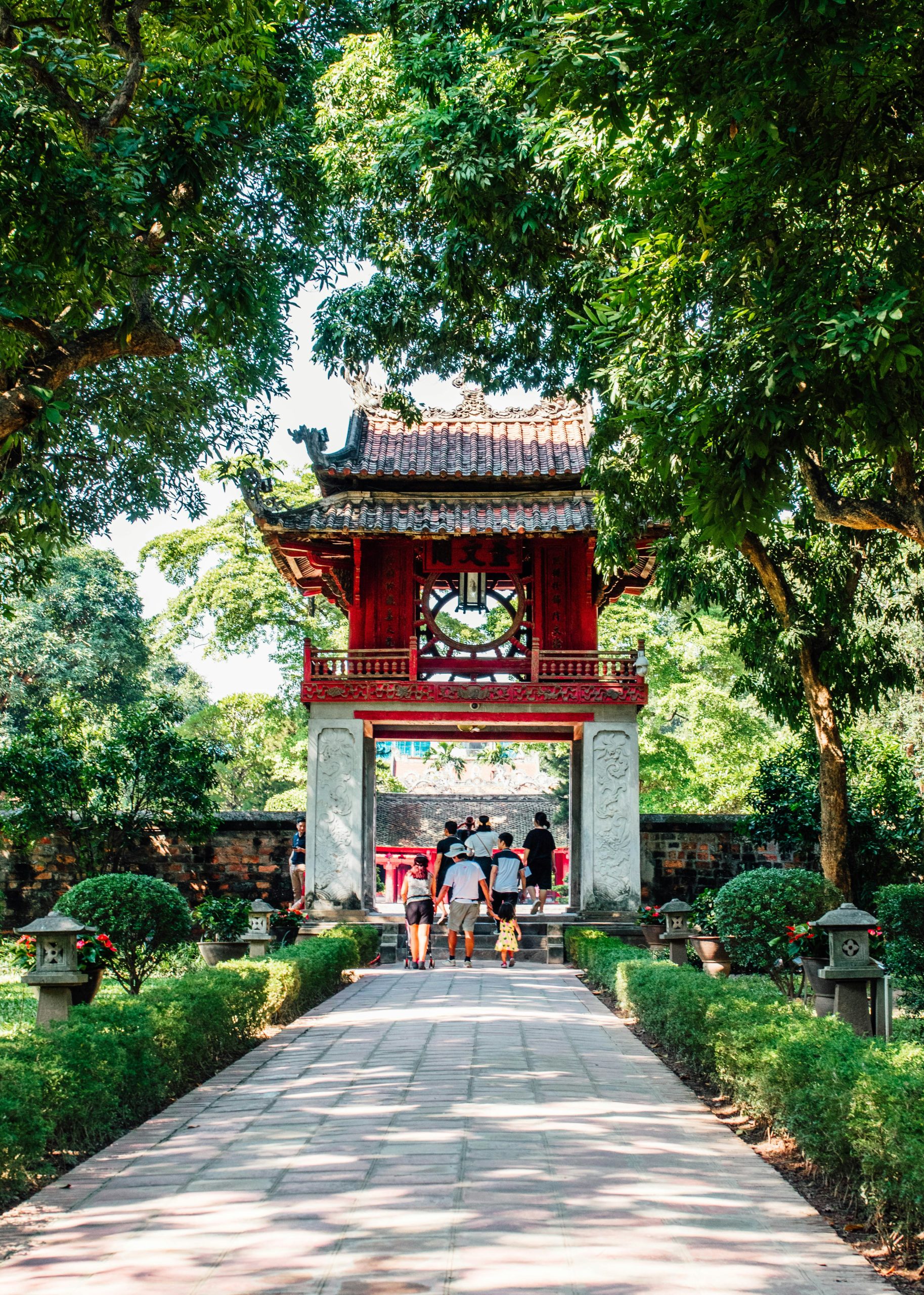
Founded in 1070, the Temple of Literature was Vietnam’s first national university and remains one of Hanoi’s most important cultural landmarks. Its courtyards, traditional architecture and stone steles offer a glimpse into the country’s long scholarly and Confucian heritage.
Ho Chi Minh Complex
Discover the places connected to Ho Chi Minh, including the Ho Chi Minh Mausoleum, the Presidential Palace, Ho Chi Minh’s former residence and the distinctive One Pillar Pagoda. Together, these sites provide an insight into one of the most influential figures in modern Vietnamese history.
Hanoi’s Culinary Scene
Food is an essential part of experiencing Hanoi. Taste local favourites such as Phở, Bún Chả, Bánh Cuốn and Chả Cá, whether at a small family-run restaurant, a lively street-food stall or a more contemporary Vietnamese restaurant. A cooking class or guided food tour can offer an even deeper introduction to the flavours of the capital.
West Lake & Truc Bach
For a more relaxed side of Hanoi, head towards West Lake, the city’s largest lake. Explore quiet streets, local cafés and temples around the water, including Tran Quoc Pagoda, one of Hanoi’s oldest Buddhist temples. The area is particularly enjoyable towards sunset.
Beyond the City Centre
Hanoi also makes an excellent base for discovering the surrounding region. Venture into the countryside to experience traditional villages, craft communities and rural landscapes, or combine your stay with destinations such as Ninh Binh, where limestone mountains, rivers and ancient temples create some of northern Vietnam’s most spectacular scenery.
When to Travel
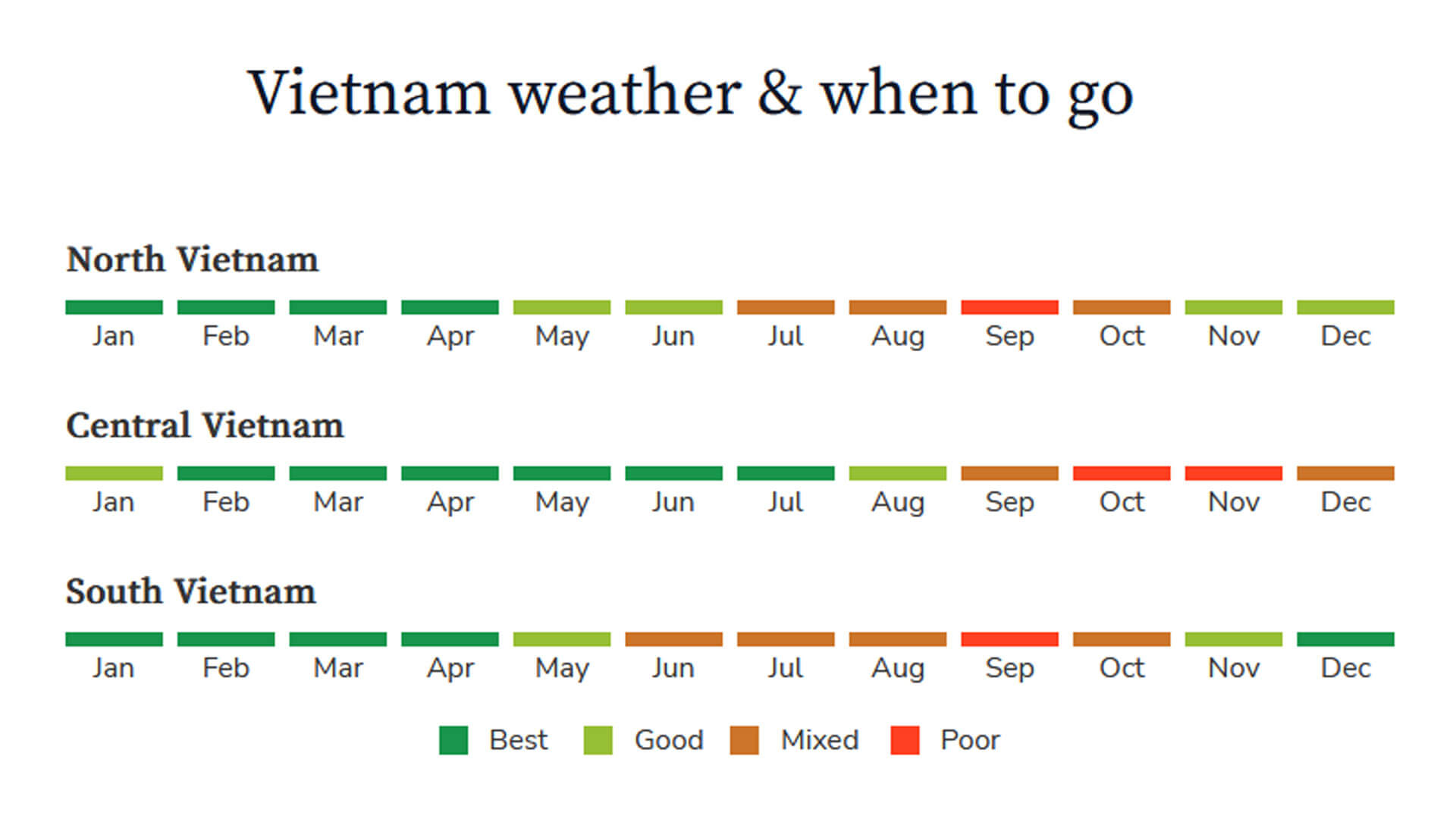
Hanoi can be visited throughout the year, but the cooler and drier months are generally the most comfortable for exploring the city.
October to December brings pleasant temperatures, clearer skies and a more comfortable atmosphere for walking, sightseeing and enjoying outdoor cafés.
January to March is cooler and can be overcast, with occasional drizzle. The softer temperatures are well suited to exploring the city’s cultural sites and historic neighbourhoods.
April to June becomes warmer and more humid, with increasing rainfall. Early mornings and evenings are particularly enjoyable for exploring the city.
July to September is the hottest and wettest period, with frequent showers and high humidity. Rain can be intense but is often short-lived, while the surrounding countryside becomes particularly lush.
Practical Information
Currency: The official currency is the Vietnamese Dong (VND). Cards are widely accepted in hotels, larger restaurants and established businesses, while cash remains useful for markets, street food and smaller shops.
Jazyk: Vietnamese is the official language. English is commonly spoken in hotels, restaurants and tourist areas, while French may occasionally be encountered.
Getting Around: Hanoi is easy to explore on foot in many central areas. Taxis and ride-hailing services are convenient for longer distances, while private transfers are ideal for day trips and tailor-made journeys outside the city.
Visiting Temples & Religious Sites: Modest clothing is recommended when visiting temples, pagodas and other religious sites. Visitors should be respectful of ceremonies and local customs, and shoes may need to be removed before entering certain buildings.