Vietnam Islands
Discover Vietnam Islands: Where Tropical Landscapes Meet Island Life
Vietnam’s coastline is dotted with islands and archipelagos, each offering a different way to experience the sea. From the tropical waters of Phu Quoc and the rugged beauty of Con Dao to the limestone landscapes of Cat Ba and the smaller Cham Islands, Vietnam’s islands combine beaches, nature, local culture and a slower rhythm of life.
Some islands invite you to simply disconnect, with sandy beaches, clear waters and quiet coastal landscapes. Others offer opportunities to explore marine life, forests, fishing communities and traditional villages. Whether you are looking for relaxation after a cultural journey, outdoor adventures or a more immersive island experience, Vietnam offers far more than a single beach destination.
Travel by boat between secluded coves, explore coastal villages, snorkel in protected waters, discover local seafood or simply spend a few days surrounded by the sea. Each island has its own character, and a tailor-made journey allows you to choose the experience that suits your pace.
For travellers looking to combine Vietnam’s cultural richness with nature, relaxation and life by the sea, the country’s islands offer a beautiful change of rhythm.
Památky
Mapa
Info
Places to Discover in Vietnam’s Islands
Phu Quoc
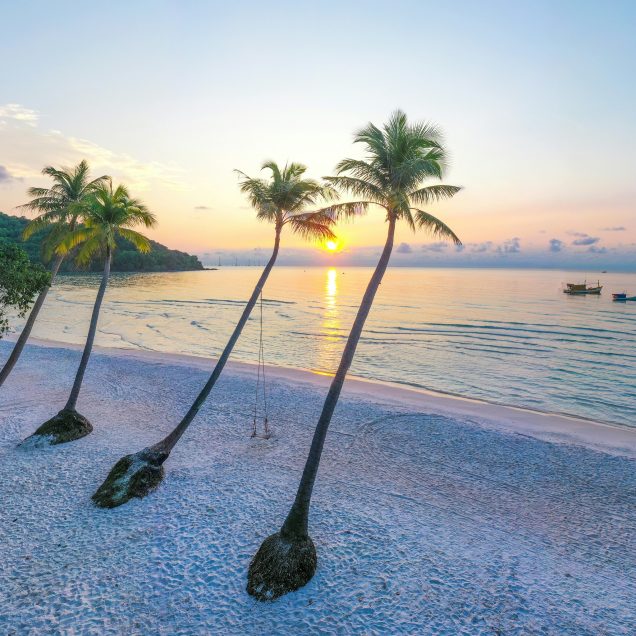
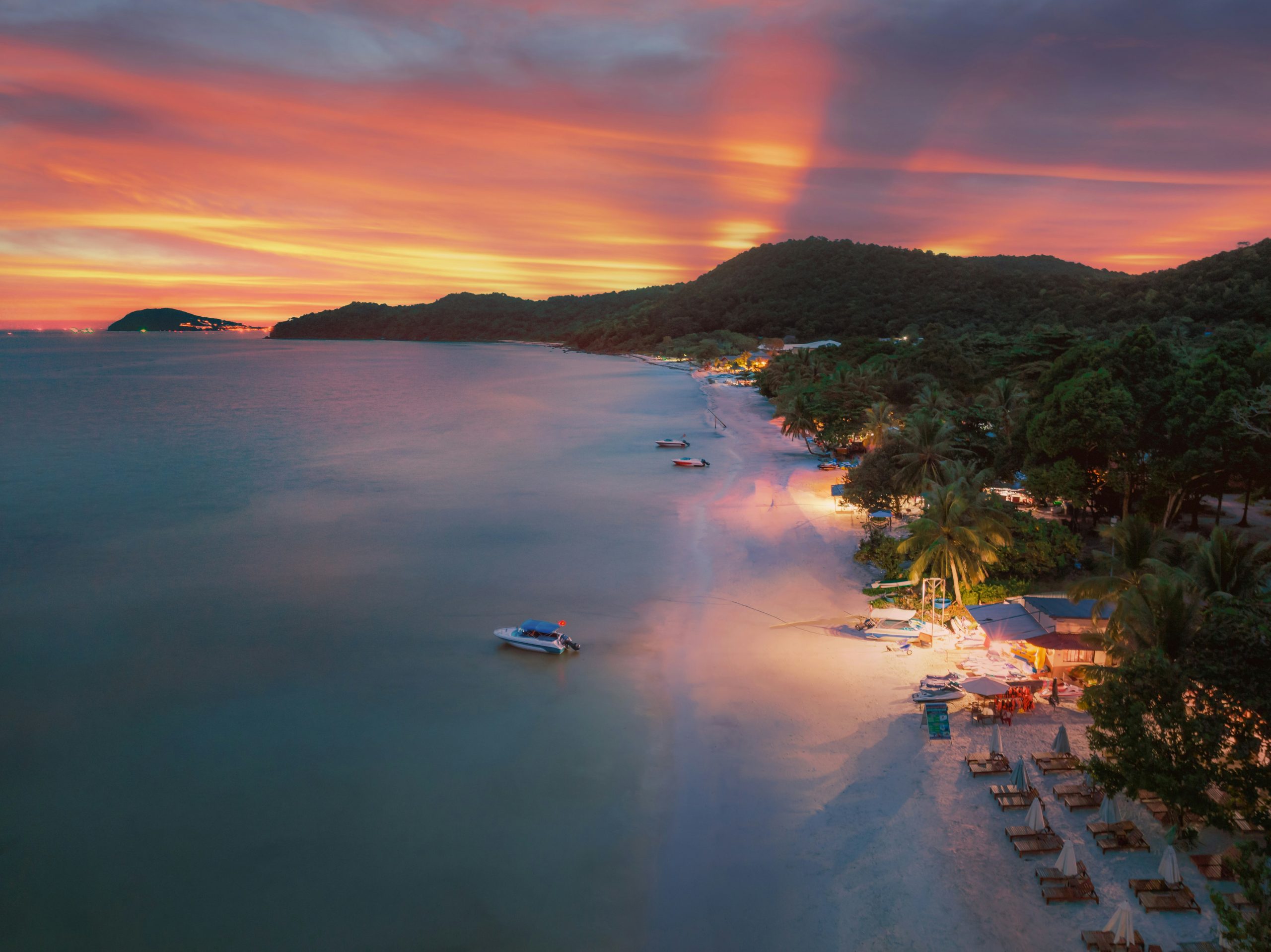
In the far south of Vietnam, Phu Quoc is the country’s best-known island destination, but there is more to discover beyond its beaches. Explore the island’s tropical forests, visit fishing communities and local markets, discover small coastal villages or simply slow down beside the sea. The southern and northern parts of the island offer different landscapes, from quieter beaches to lush natural areas and secluded coastal scenery.
Con Dao
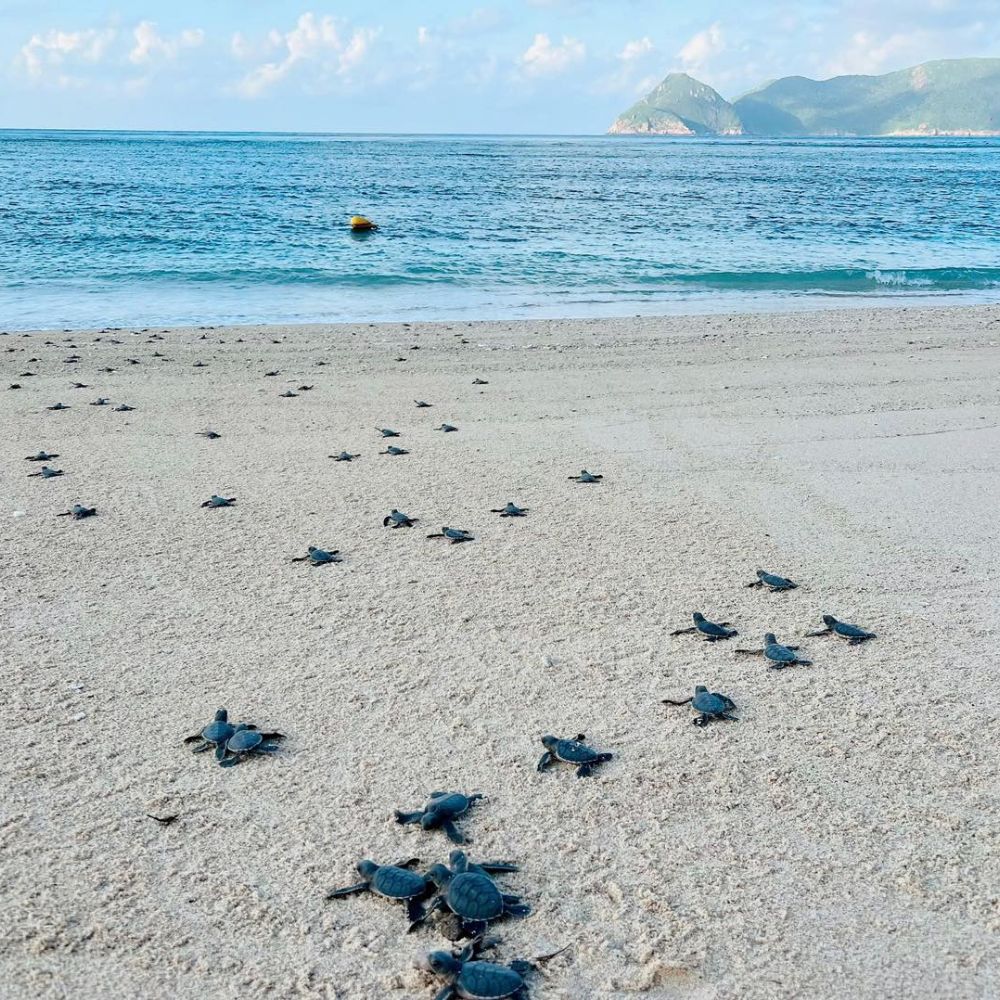
Further south, the Ostrovy Con Dao offer a more rugged and peaceful island experience. Forest-covered mountains meet clear waters, secluded beaches and coral-rich marine environments, while the islands’ protected status has helped preserve much of their natural character. Con Dao is also an important nesting site for sea turtles, making responsible wildlife experiences one of the most memorable ways to discover the islands. Beyond nature, the archipelago carries a significant history that adds another dimension to a visit.
Cat Ba & Lan Ha Bay
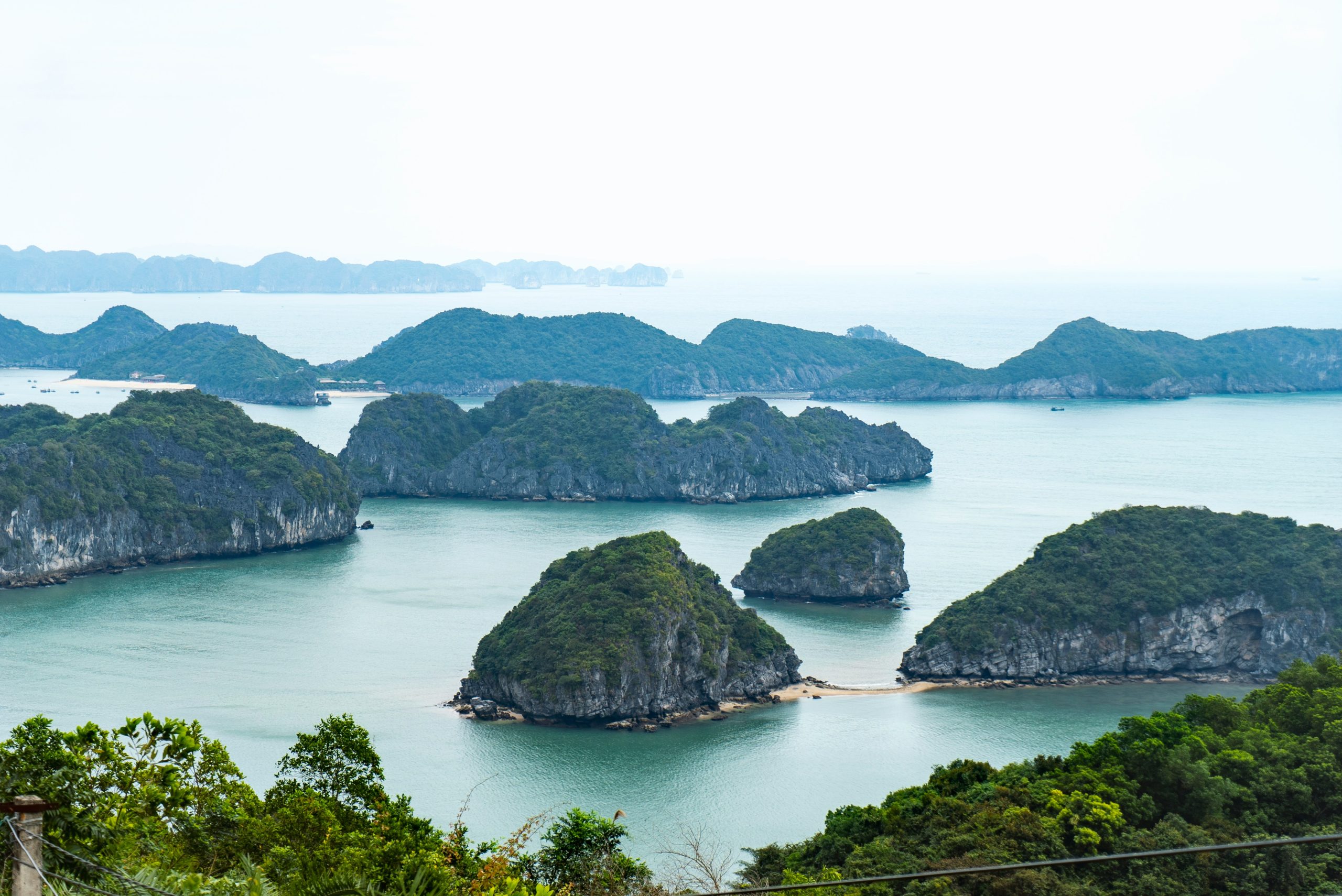
In northern Vietnam, Ostrov Cat Ba offers a completely different island landscape. Limestone mountains rise from the sea, creating a dramatic setting of forests, hidden coves and quiet bays. Explore Cat Ba National Park, kayak through the waters of Zátoka Lan Ha, visit fishing communities or simply take in the scenery from the island’s coastal roads. Cat Ba works particularly well as part of a journey combining the mountains, countryside and seascapes of northern Vietnam.
Cham Islands
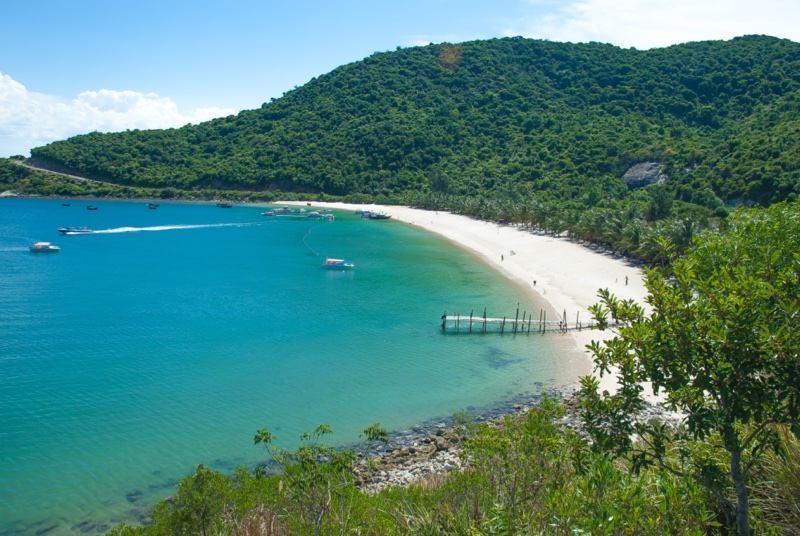
Just off the coast of Hoi An, the Cham Islands offer a peaceful escape surrounded by clear waters and marine landscapes. Explore the islands by boat, swim and snorkel in protected waters, discover traditional fishing villages or spend time on quiet beaches away from the mainland. The islands are also home to communities whose lives remain closely connected to the sea, making a visit an opportunity to experience both nature and local island life.
Island Life & Coastal Communities
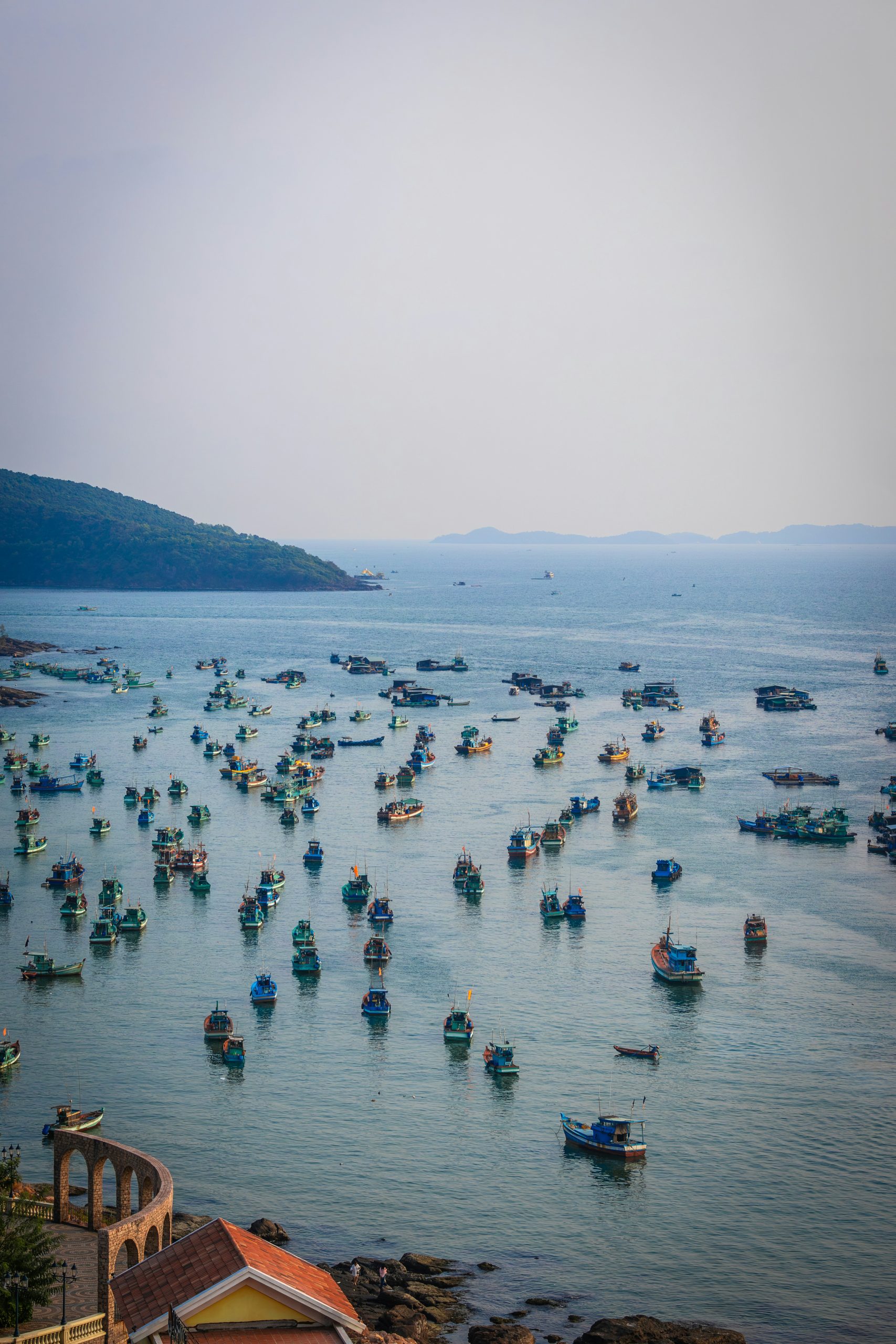
Vietnam’s islands are not only places to relax by the water. Across the coastline, fishing communities continue traditions shaped by the sea, from early-morning fishing trips to local markets filled with fresh seafood. Travelling by boat, visiting coastal villages or watching fishing boats return to shore offers a glimpse into a way of life that remains closely connected to the ocean.
Nature & Marine Experiences
Vietnam’s islands offer many ways to experience nature beyond the beach. Depending on the destination and season, travellers can explore tropical forests, kayak through limestone landscapes, snorkel among coral reefs, discover secluded coves or join responsible wildlife experiences. On islands such as Con Dao, protecting fragile marine ecosystems is an essential part of preserving the landscapes that make these destinations special.
Quieter Island Escapes
Beyond Vietnam’s best-known islands, smaller coastal destinations offer opportunities to experience the sea at a slower pace. Travellers looking for quieter surroundings can explore lesser-known beaches, coastal villages and remote islands where tourism remains more limited. These destinations can be particularly rewarding when combined with a tailor-made itinerary designed around relaxation, nature and local encounters.
When to Travel
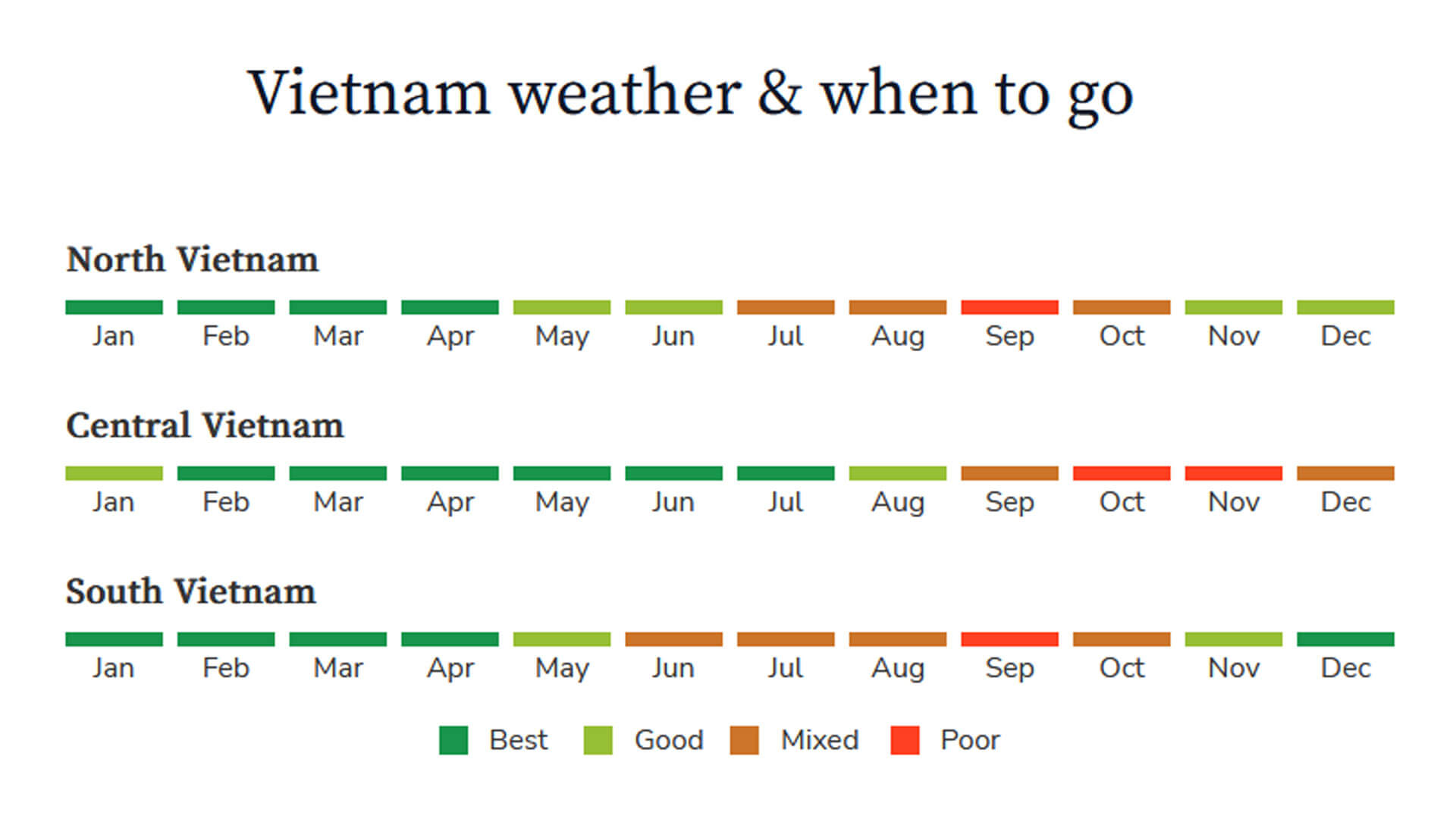
Vietnam’s islands stretch from the northern Gulf of Tonkin to the tropical waters of the south, so weather varies considerably between destinations.
November to April is generally a favourable period for many southern islands, including Phu Quoc and Con Dao, with warmer temperatures and relatively drier conditions. These months are particularly well suited to beach stays, boat trips and marine activities.
March to August can be a good period for the Cham Islands and Central Vietnam’s coastline, with warmer conditions and opportunities to combine island experiences with Hoi An and other cultural destinations.
October to April is generally more comfortable for Cat Ba and northern coastal areas, although temperatures are cooler during the winter months and conditions at sea can change quickly.
Because each island has its own climate and seasonal conditions, the ideal time to visit depends on the destination and experiences you want to include.
Practical Information
Getting Around: Island journeys can combine domestic flights, ferries, speedboats, private transfers and local boats depending on the destination. On the islands themselves, taxis, private vehicles, bicycles and motorbikes are commonly used.
Boat Travel: Boat schedules and routes can be affected by weather and sea conditions. Travellers should allow some flexibility when planning island transfers, particularly during periods of unsettled weather.
Marine Activities: Snorkelling, diving, kayaking and swimming are available in several island destinations, although conditions vary by season and location. Activities should always follow local safety guidance and environmental regulations.
Responsible Travel: Vietnam’s coastal and marine environments are fragile. Travellers are encouraged to avoid single-use plastics, respect wildlife, never touch coral or marine animals, and choose responsible operators for wildlife and marine experiences.
Combining Islands with a Cultural Journey: Vietnam’s islands can easily be incorporated into a wider tailor-made itinerary. Phu Quoc works naturally with southern Vietnam and the Mekong Delta, the Cham Islands with Hoi An and Central Vietnam, while Cat Ba can complement Hanoi, Ha Long Bay and the northern mountains.