Mekong-Delta
Discover the Mekong Delta: Where Rivers Shape Everyday Life
South of Ho Chi Minh City, the Mekong Delta unfolds through a maze of rivers, canals, rice fields, tropical orchards and villages shaped by life on the water. This fertile region offers a slower, more intimate side of Vietnam, where boats remain part of everyday life and local traditions are closely connected to the river.
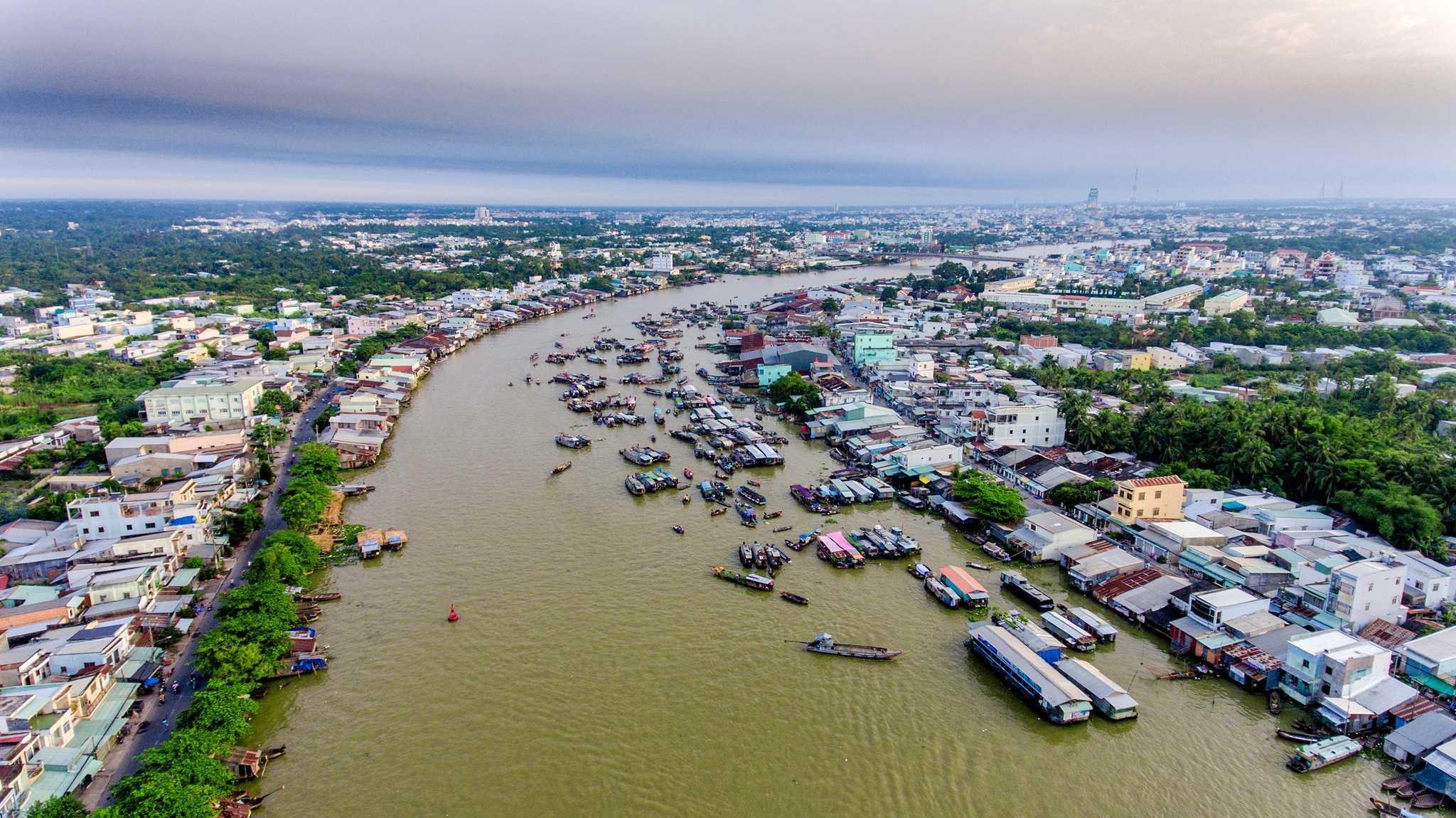
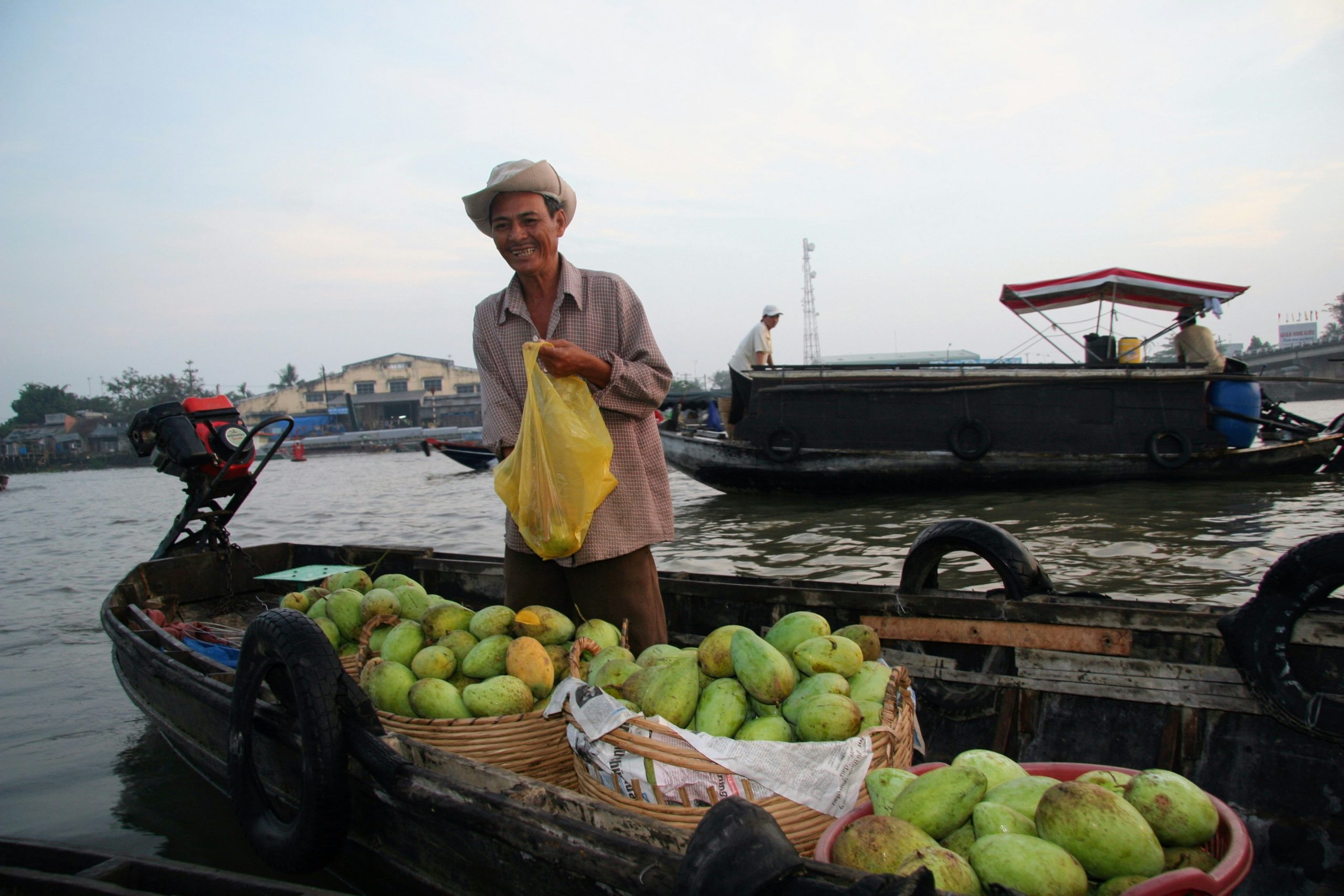
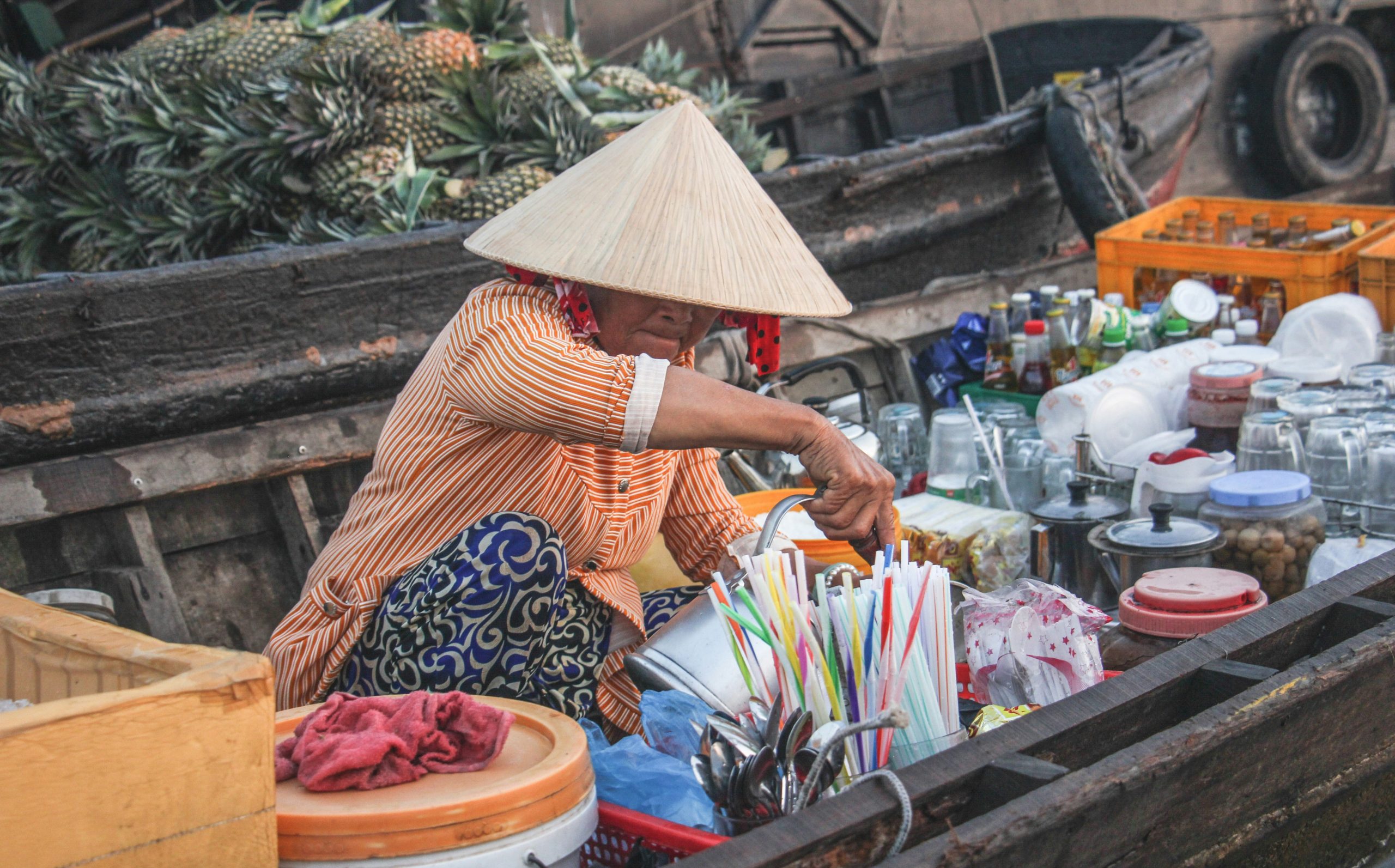
In Can Tho, the Delta’s vibrant riverside centre, travellers can discover the waterways and experience the famous Cái Răng Floating Market, where boats gather early in the morning to trade fruit, vegetables and local produce. Further along the Mekong, Cái Bè offers another perspective on river life, with its canals, orchards, traditional villages and boat journeys through the surrounding countryside.
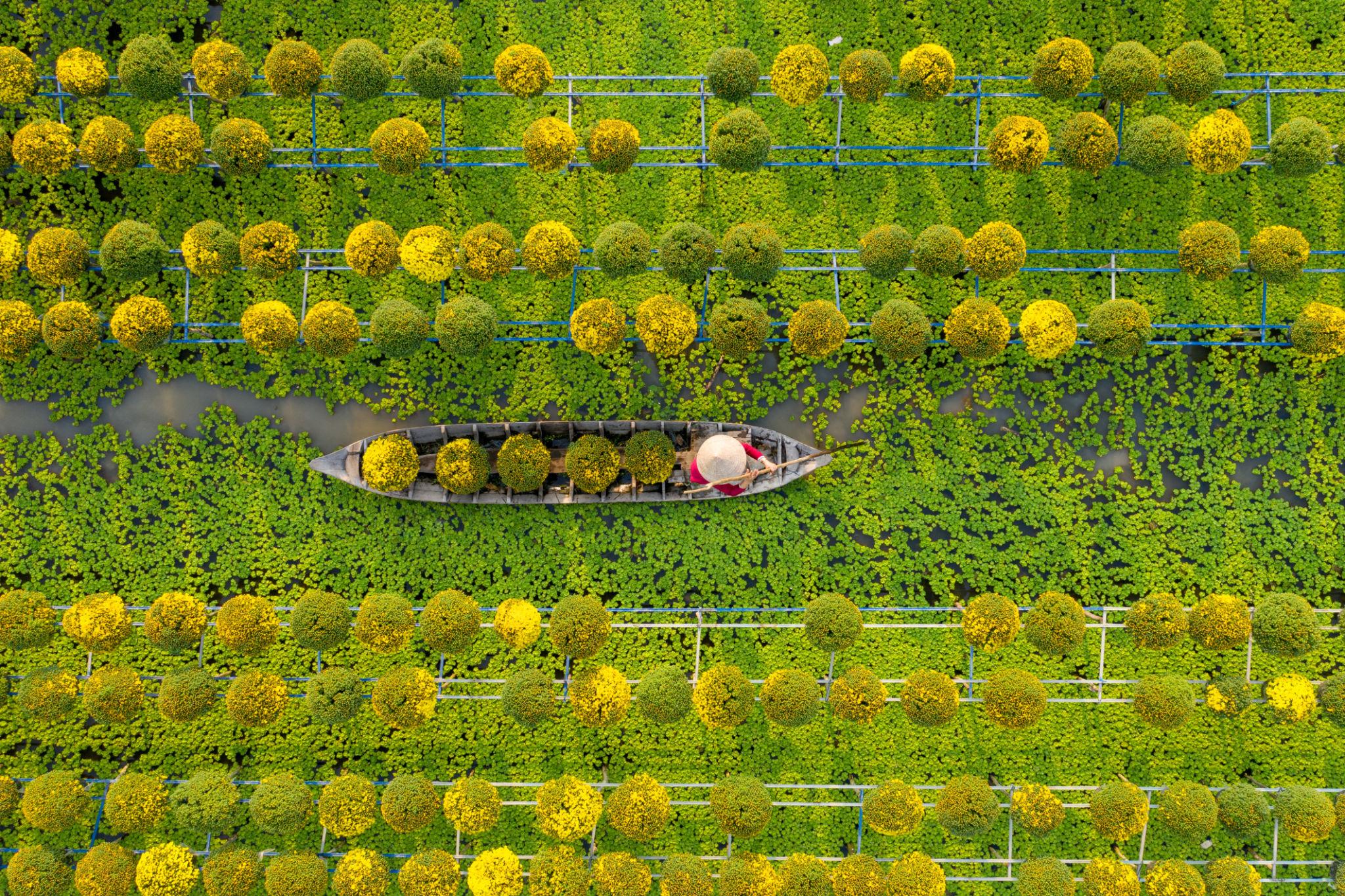
In Sa Đéc, colourful flower gardens, traditional homes and quiet riverside streets reveal another side of the Delta. Known for its horticultural heritage and distinctive local character, the town is an opportunity to experience southern Vietnamese life away from the larger cities.
Beyond the famous markets, the Mekong Delta comes alive through cycling paths, tropical fruit orchards, family-run workshops, local food and encounters with communities whose lives have followed the rhythm of the river for generations. From Can Tho and Sa Đéc to Cái Bè and the smaller waterways in between, each journey offers a different way to experience this remarkable region.
Whether combined with Ho Chi Minh City or included in a longer journey through southern Vietnam, the Mekong Delta is an invitation to slow down, get closer to local life and discover a landscape where water, agriculture and culture are inseparable.
Sehenswürdigkeiten
Karte
Info
Where Life Follows the River
The Mekong Delta is best experienced slowly, following the waterways that have shaped life in southern Vietnam for generations. From the busy trading boats of Can Tho to quiet canals surrounded by coconut palms and fruit orchards, travelling through the Delta reveals a landscape where water and everyday life are closely connected.
Can Tho & Cái Răng Floating Market
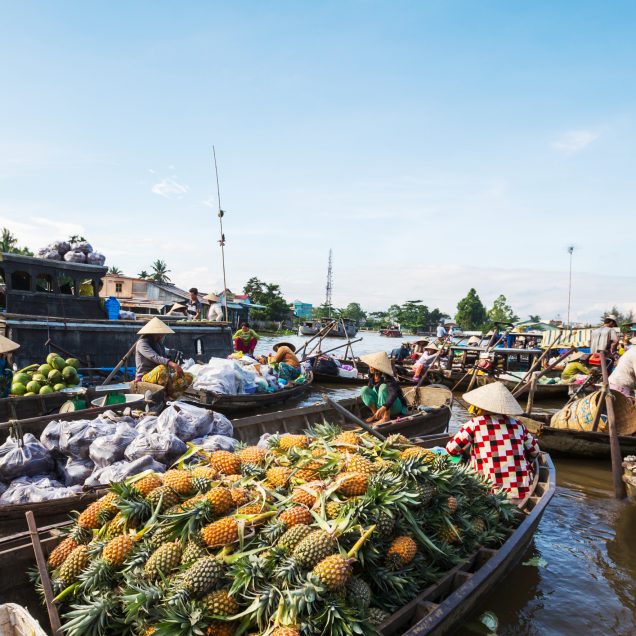
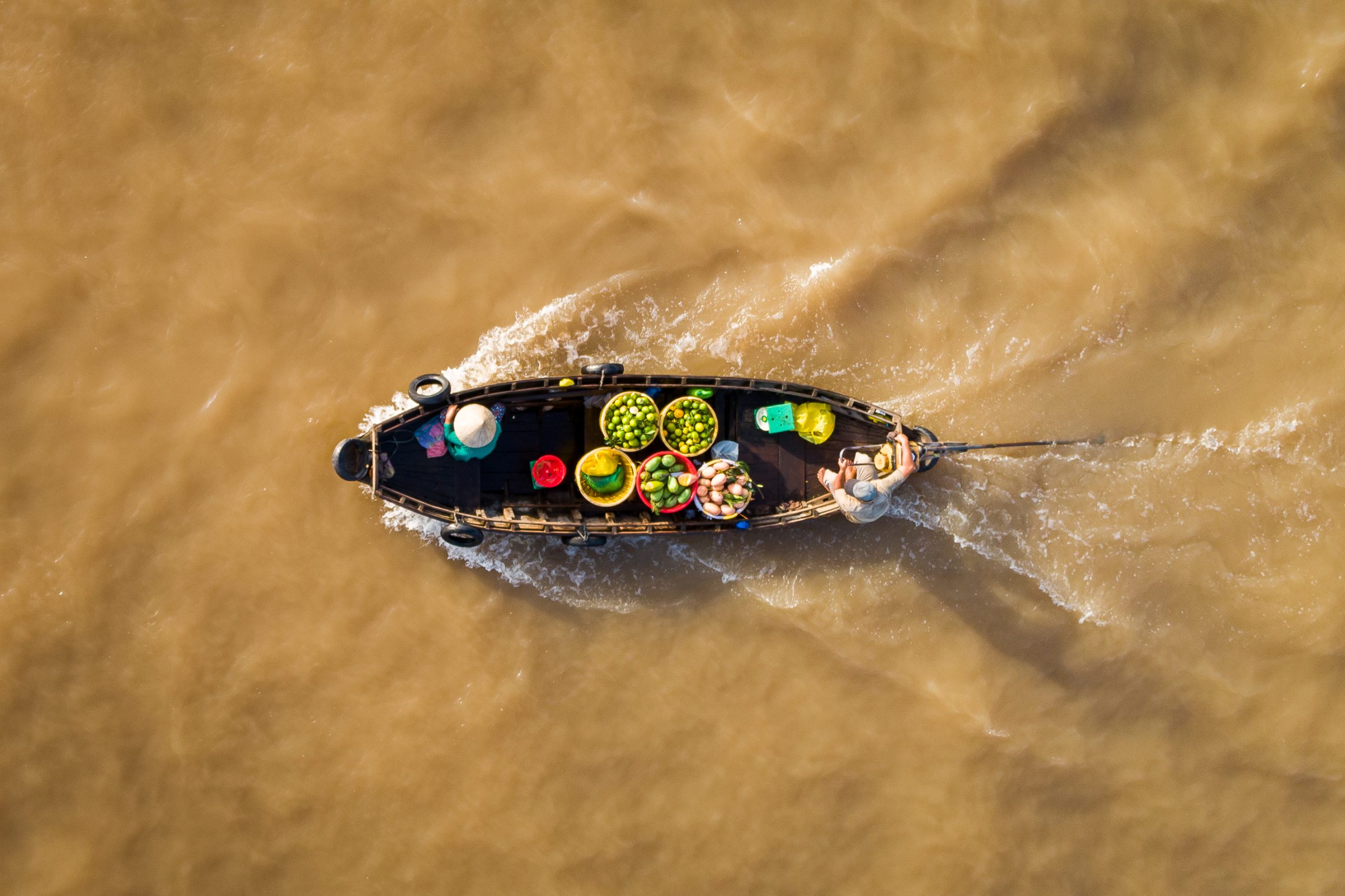
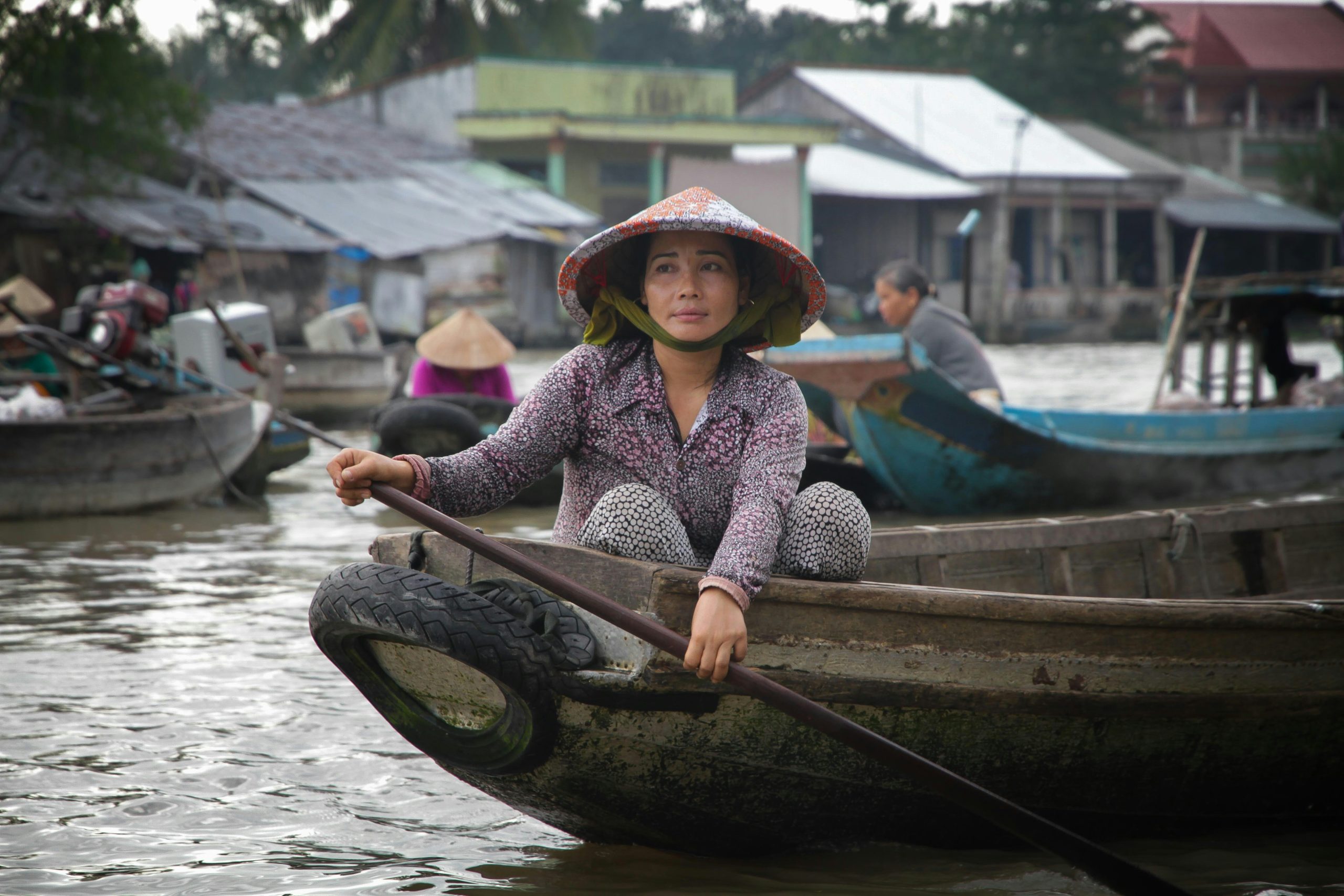
Can Tho is one of the main gateways to the Mekong Delta and an ideal base for discovering its waterways. An early-morning boat journey to Cái Răng Floating Market offers a glimpse into the region’s trading traditions, as boats gather on the river to sell fresh fruit, vegetables and other local produce.
Beyond the market, Can Tho’s riverside neighbourhoods and smaller waterways offer a quieter perspective on life along the Mekong. Travellers can explore by boat, cycle through the surrounding countryside or visit local homes and workshops.
Cái Bè & Rural River Life
Further along the Mekong, Cái Bè offers a more rural experience of the Delta. Small boats navigate narrow waterways surrounded by tropical vegetation, orchards and traditional villages, while local communities continue to depend on the rivers and fertile land around them.
A journey through the Cái Bè area can include visits to fruit gardens, family-run workshops and quiet countryside paths, offering a closer connection with everyday life away from the larger towns.
Sa Đéc & the Flower Gardens
Known for its horticultural traditions, Sa Đéc brings a different character to the Mekong Delta. The town is surrounded by flower gardens and nurseries, where colourful plants are cultivated along the waterways and cared for by generations of local growers.
Visiting Sa Đéc offers an opportunity to discover the agricultural heritage of the Delta while exploring a quieter riverside town with its own distinctive atmosphere.
Orchards, Food & Local Produce
The Mekong Delta is one of Vietnam’s most fertile agricultural regions, with tropical orchards spread throughout its countryside. Depending on the season, travellers may encounter mangoes, rambutan, durian, pomelo and other locally grown fruits.
Visiting an orchard or family farm provides more than a chance to taste fresh produce. It offers an insight into the agricultural traditions that sustain communities across the Delta and the importance of the Mekong’s waterways to local livelihoods.
Experiences Beyond the Markets
While the floating markets are among the Delta’s best-known attractions, there is much more to discover. Cycling along quiet country lanes, travelling through narrow canals, visiting local workshops, tasting regional dishes and meeting people living along the waterways all offer a more personal experience of the region.
For travellers with more time, destinations such as Ben Tre, Mỹ Tho and Vĩnh Long can also be incorporated into a wider Mekong Delta journey, depending on the itinerary and interests.
When to Travel
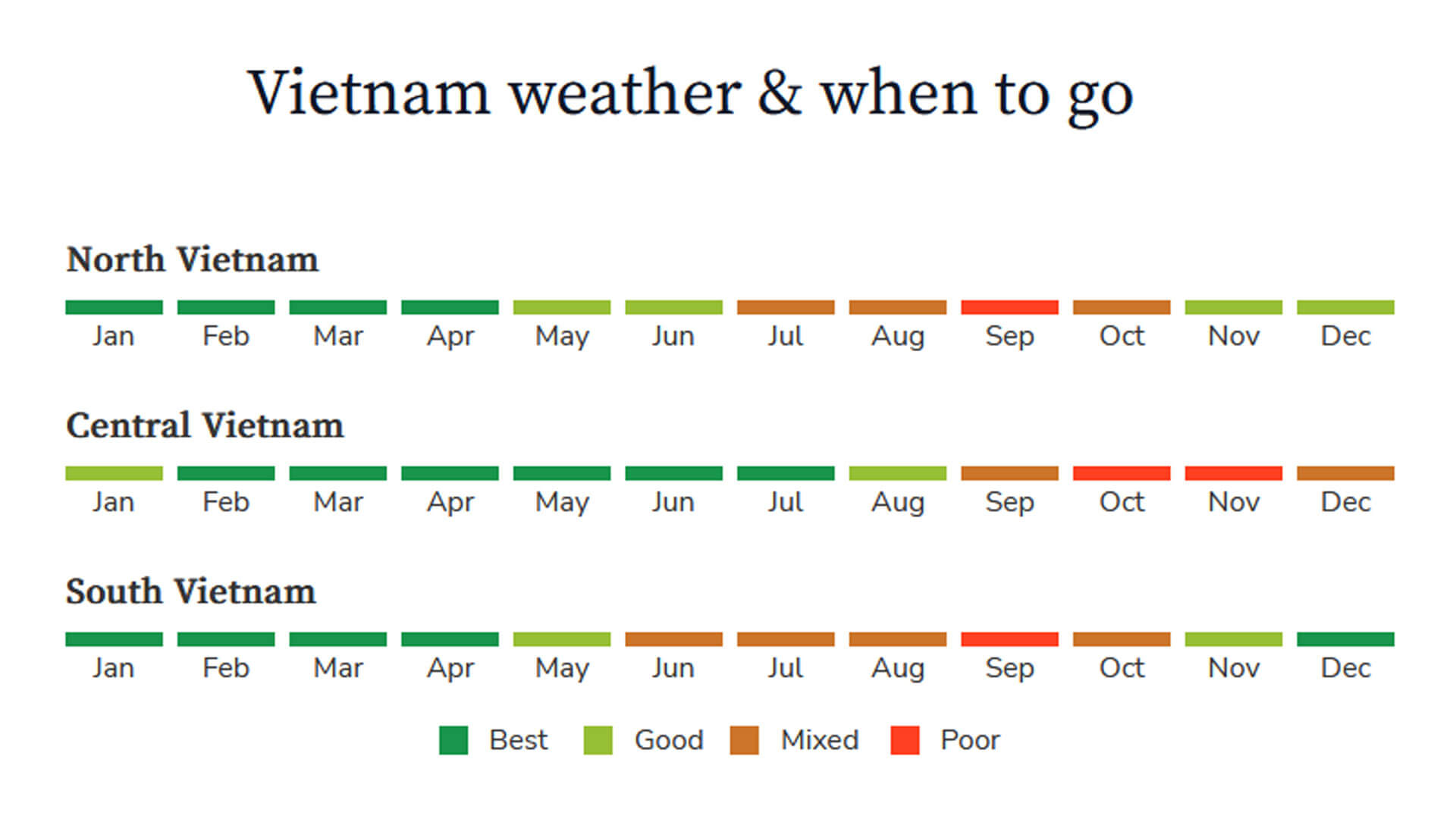
The Mekong Delta can be visited throughout the year, with each season offering a different perspective on its rivers, orchards, markets and countryside.
December to April: Dry Season
Generally drier and sunnier, making this a comfortable period for boat journeys, cycling and exploring the countryside. It is also a popular time to visit the region.
May to August: Green Season
The countryside becomes especially lush, while tropical fruit is abundant in many areas. Short rain showers are common, but they rarely prevent travellers from enjoying the region.
September to November: High-Water Season
Rising water levels bring a different character to the Delta, with flooded landscapes and waterways creating distinctive seasonal scenery. Conditions vary from year to year and by location.
Best for: comfortable outdoor activities and sightseeing → December–April
Best for: lush landscapes and tropical fruit → May–August
Best for: seasonal river landscapes → September–November
The Mekong Delta, Your Way
Whether you want to explore Cái Răng at sunrise, cruise through the waterways around Cái Bè, discover the flower gardens of Sa Đéc or slow down among the orchards and villages, the Mekong Delta offers many ways to experience southern Vietnam.
Viettourist can tailor the journey around your interests, combining the Delta with Ho Chi Minh City and other destinations in southern Vietnam for a seamless and immersive travel experience.