Le Nord du Vietnam montagneux
Discover Mountainous North Vietnam: Where Mountains Meet Living Cultures
In northern Vietnam, dramatic mountains rise above deep valleys, winding rivers and terraced rice fields. This is a region where journeys are measured less by distance than by the landscapes along the way: remote roads, misty passes and villages hidden among the hills.
From the peaceful valleys of Mai Chau and the forested landscapes of Ba Be Lake to the rice terraces of Sapa, the spectacular mountain roads of Ha Giang and the waterfalls and limestone landscapes of Cao Bang, northern Vietnam offers some of the country’s most memorable adventures. Along the way, travellers encounter diverse ethnic communities whose traditions, architecture, clothing and everyday life remain deeply connected to the mountains.
Trek through rice terraces, cycle between villages, paddle across mountain lakes, meet local families, explore colourful markets or simply follow the winding roads through some of Vietnam’s most spectacular scenery. In Mai Chau, discover traditional villages surrounded by rice fields, while further north the landscapes become increasingly dramatic and remote.
A journey through the northern highlands is as much about the people and landscapes along the way as it is about the destinations themselves.
For travellers looking for adventure, cultural encounters and a Vietnam far removed from the bustle of the cities, the northern mountains offer a journey at a different pace.
Sites touristiques
Carte
Informations
Places to Discover in Mountainous North Vietnam
Sapa & the Hoang Lien Son Mountains
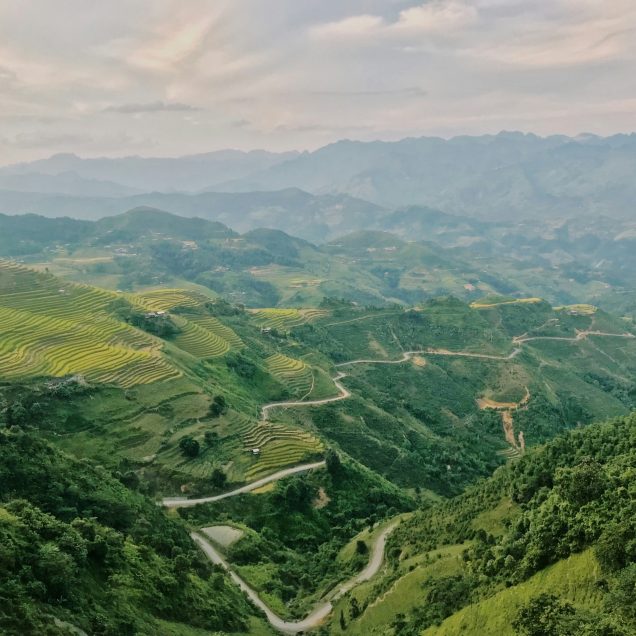
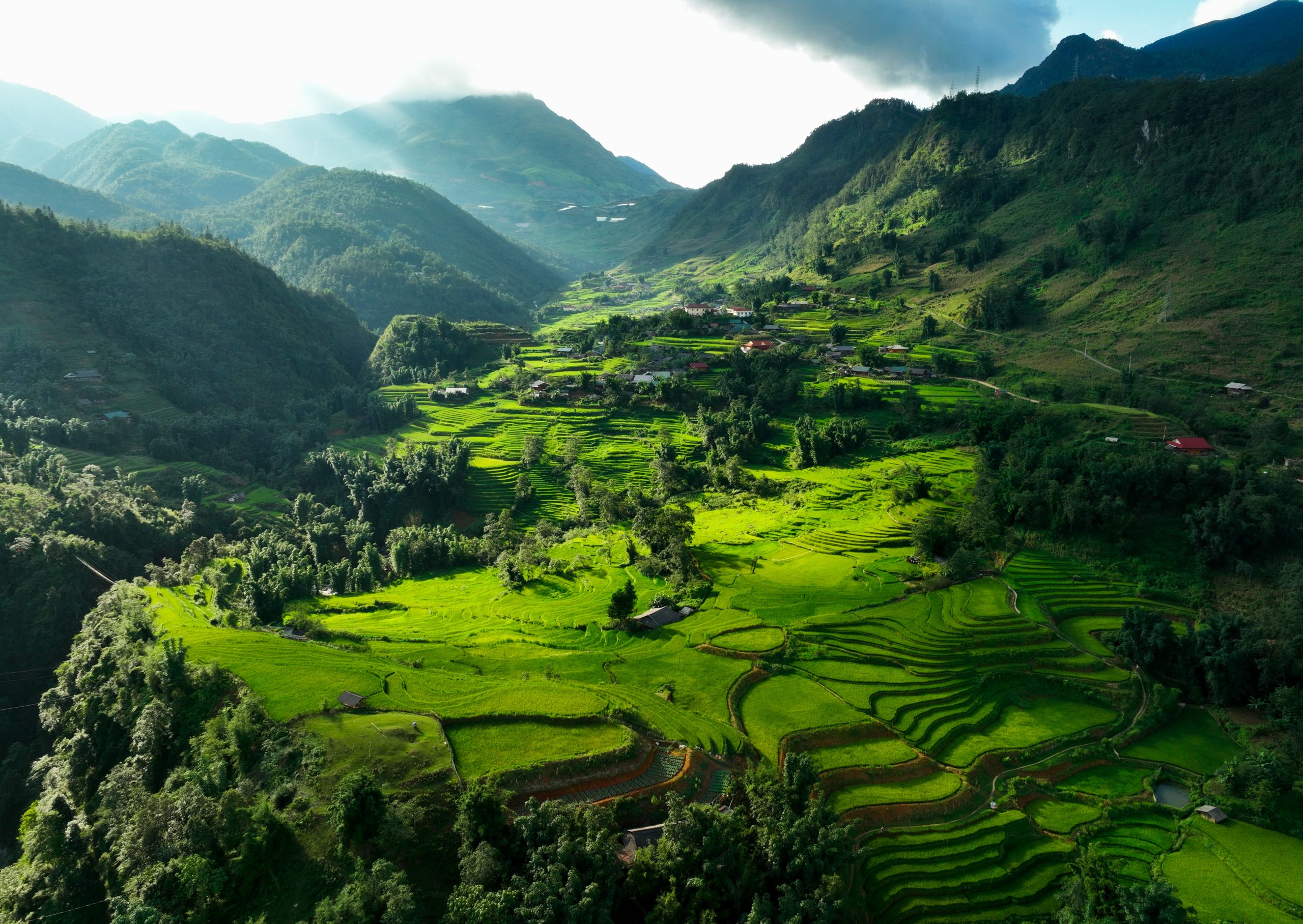
Surrounded by the peaks of the Hoang Lien Son range, Sapa is one of northern Vietnam’s most spectacular mountain destinations. Terraced rice fields descend across the valleys, while paths lead through villages inhabited by different ethnic communities. Trek through the countryside, discover waterfalls and mountain viewpoints, visit local markets or spend time in a village to experience the region beyond its scenery.
Ha Giang & the Mountain Roads
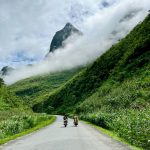
Further north, Ha Giang offers some of Vietnam’s most dramatic landscapes. Winding roads cross high mountain passes and limestone plateaus, passing deep valleys, traditional villages and viewpoints overlooking the rugged terrain. The famous Ha Giang Loop can be explored by motorbike or private vehicle, with opportunities to meet local communities and discover the remarkable diversity of life in the northern mountains.
Mai Chau & the Valley Life
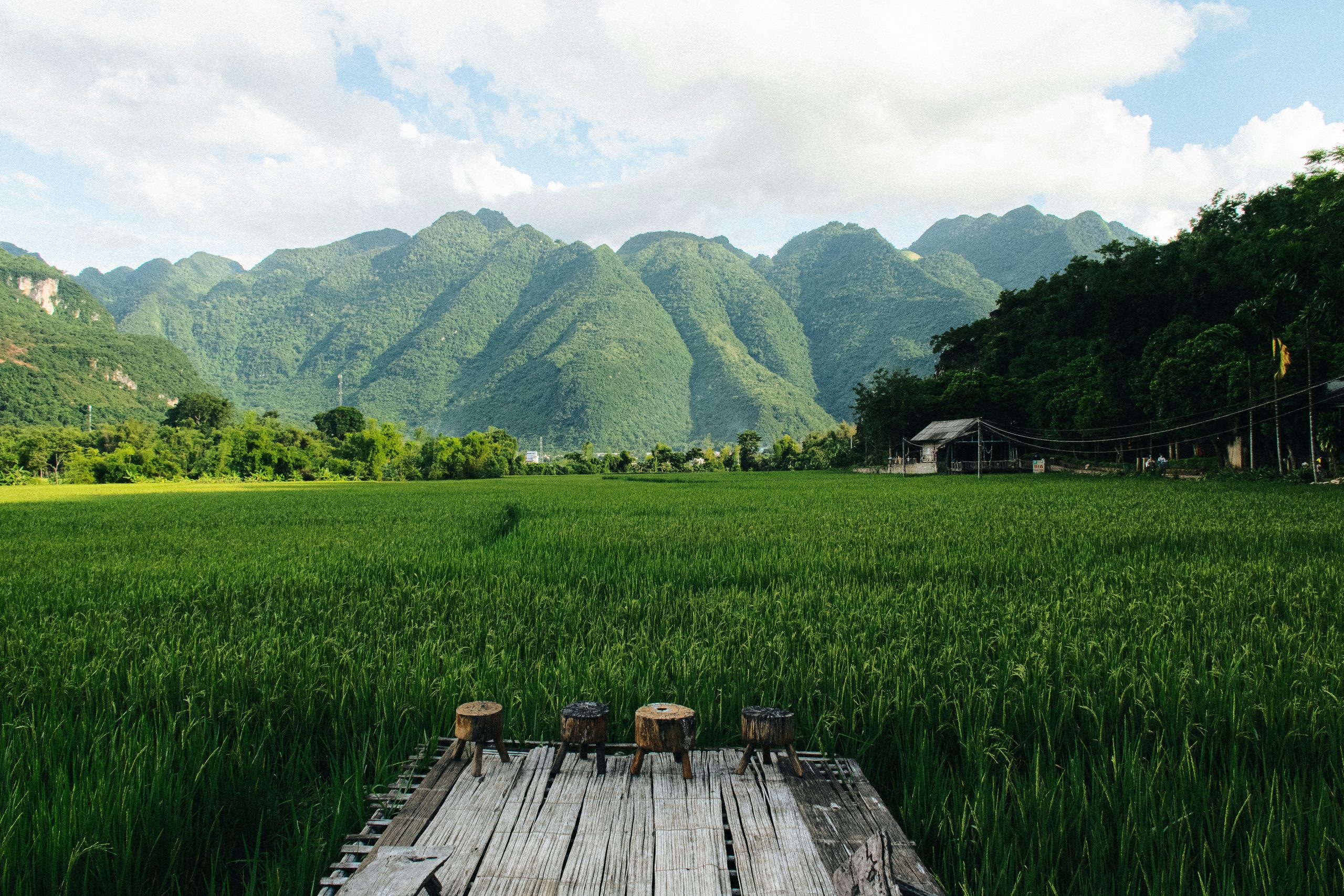
Closer to Hanoi, Mai Chau offers a gentler introduction to the northern highlands. Surrounded by green mountains and rice fields, the valley is home to traditional villages and stilt houses, particularly those of the White Thai community. Cycle through the countryside, walk between villages, meet local families and experience a slower rhythm of rural life.
Ba Be Lake & the Forests
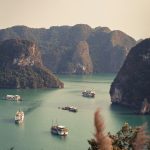
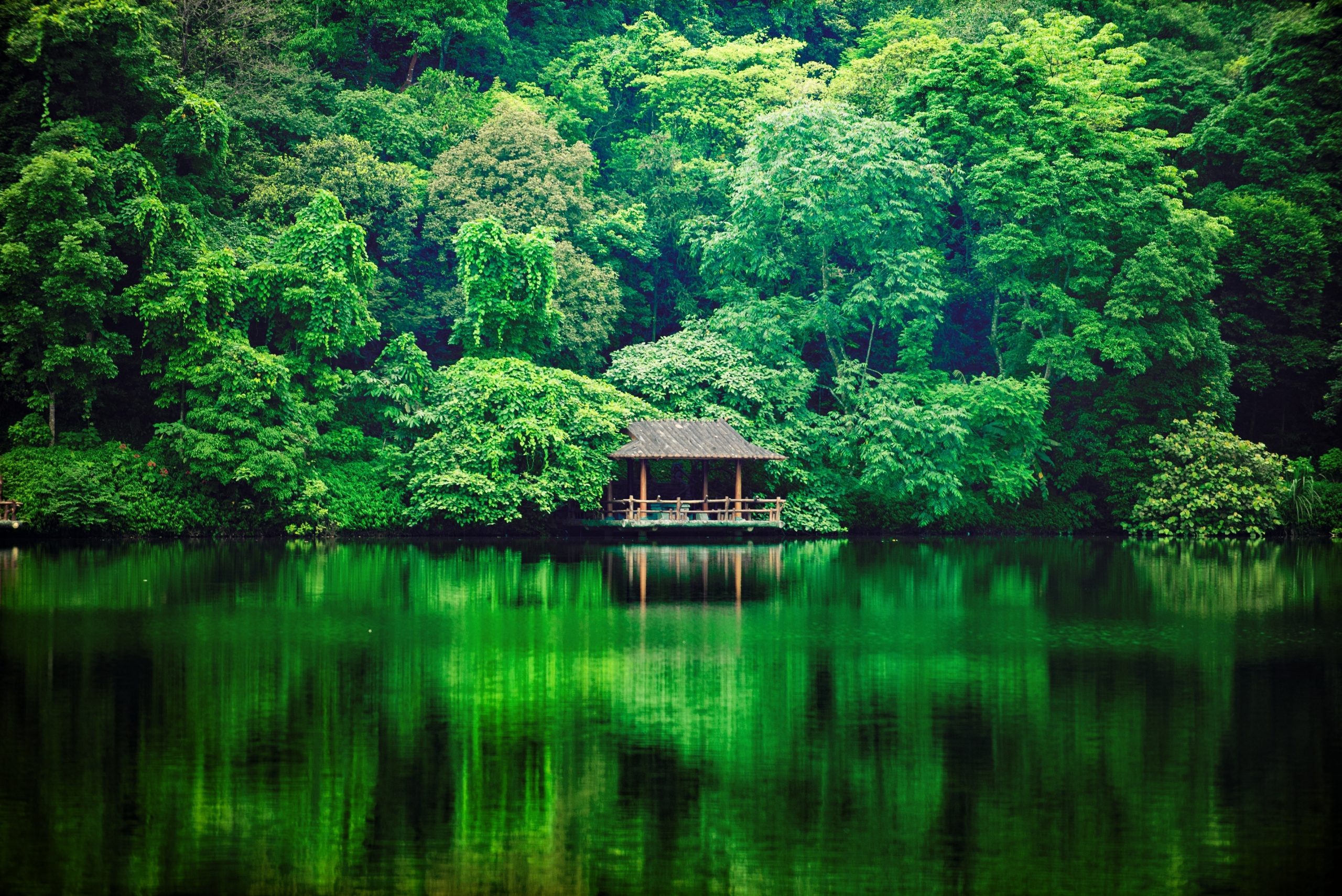
In the mountains of Bac Kan, Ba Be Lake lies among limestone cliffs, forests and quiet villages. Explore the lake by traditional boat, follow walking trails through the surrounding landscape or visit local communities along the water. The area offers a peaceful combination of nature, outdoor activities and cultural encounters away from the better-known northern routes.
Cao Bang & Ban Gioc Waterfall
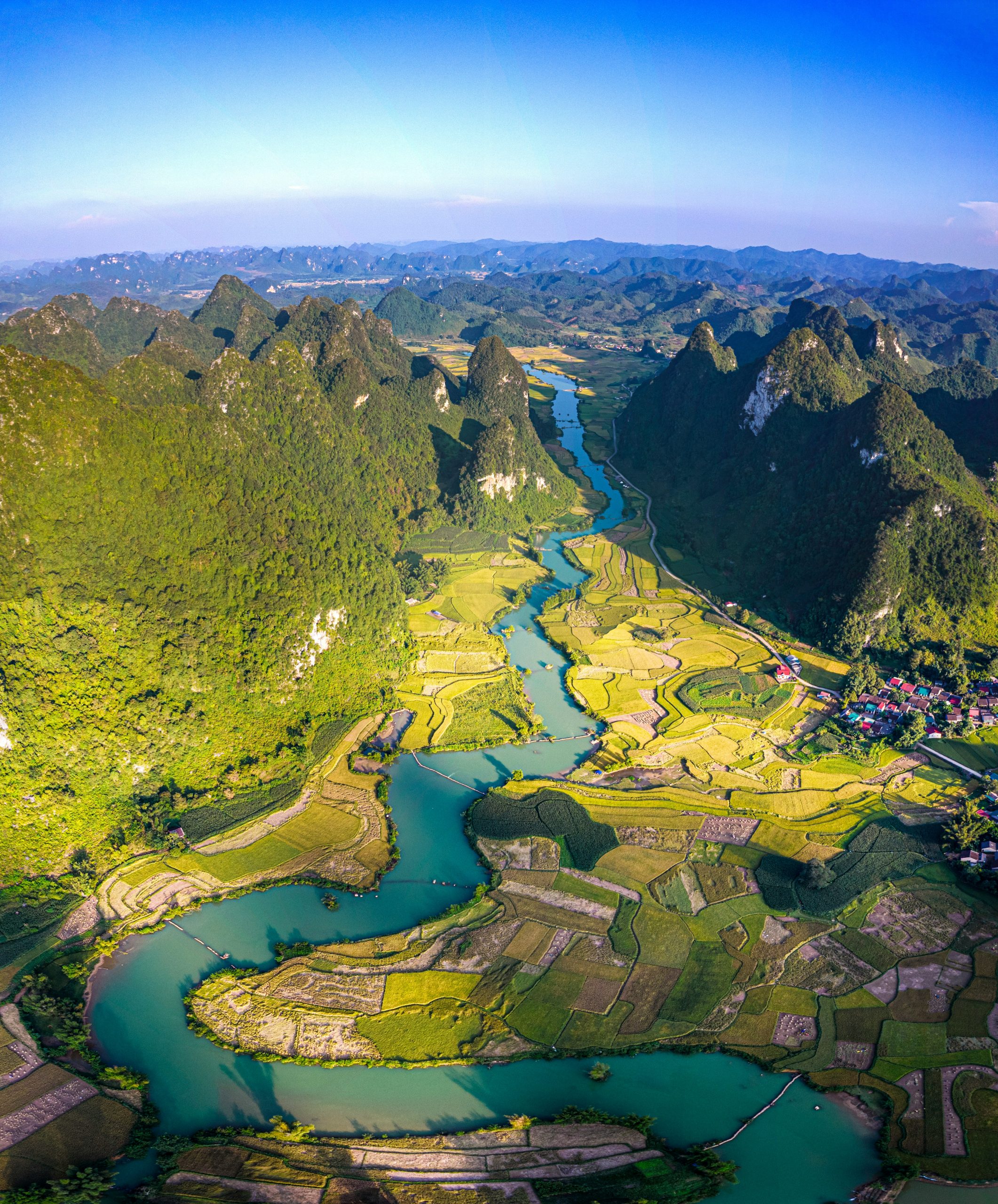
The landscapes around Cao Bang are shaped by limestone mountains, winding rivers, valleys and forests. One of the region’s most spectacular sights is Ban Gioc Waterfall, where water cascades across a broad limestone setting near the Vietnamese-Chinese border. Beyond the waterfall, mountain roads lead through rural villages and landscapes that reward travellers who take the time to explore.
Bac Ha & Mountain Markets
For a deeper cultural experience, travel to Bac Ha, where colourful markets bring together communities from the surrounding mountains. On market days, local people arrive from remote villages to trade produce, textiles and livestock, creating a lively meeting place that offers a glimpse into everyday life in the highlands. The surrounding countryside also provides opportunities for trekking and village visits.
Ethnic Cultures & Local Encounters
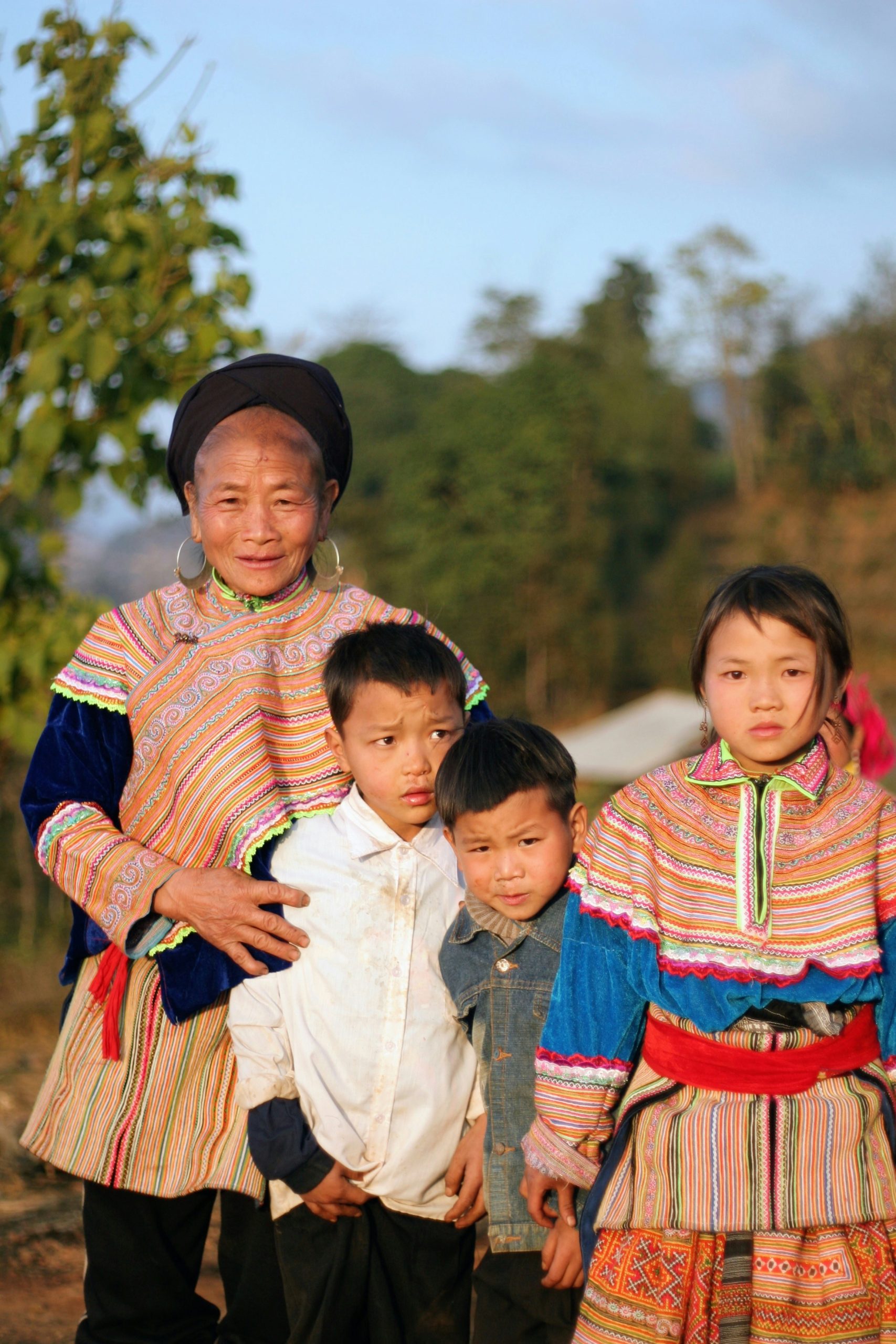
Northern Vietnam is home to a remarkable diversity of ethnic communities, each with its own traditions, languages, clothing and cultural practices. From the Hmong communities of the far north to the Tay and Thai communities further south, encounters with local families and villages can become some of the most memorable parts of a journey. Visiting respectfully, with local guides and community-based experiences, allows travellers to discover these cultures beyond the surface.
When to Travel
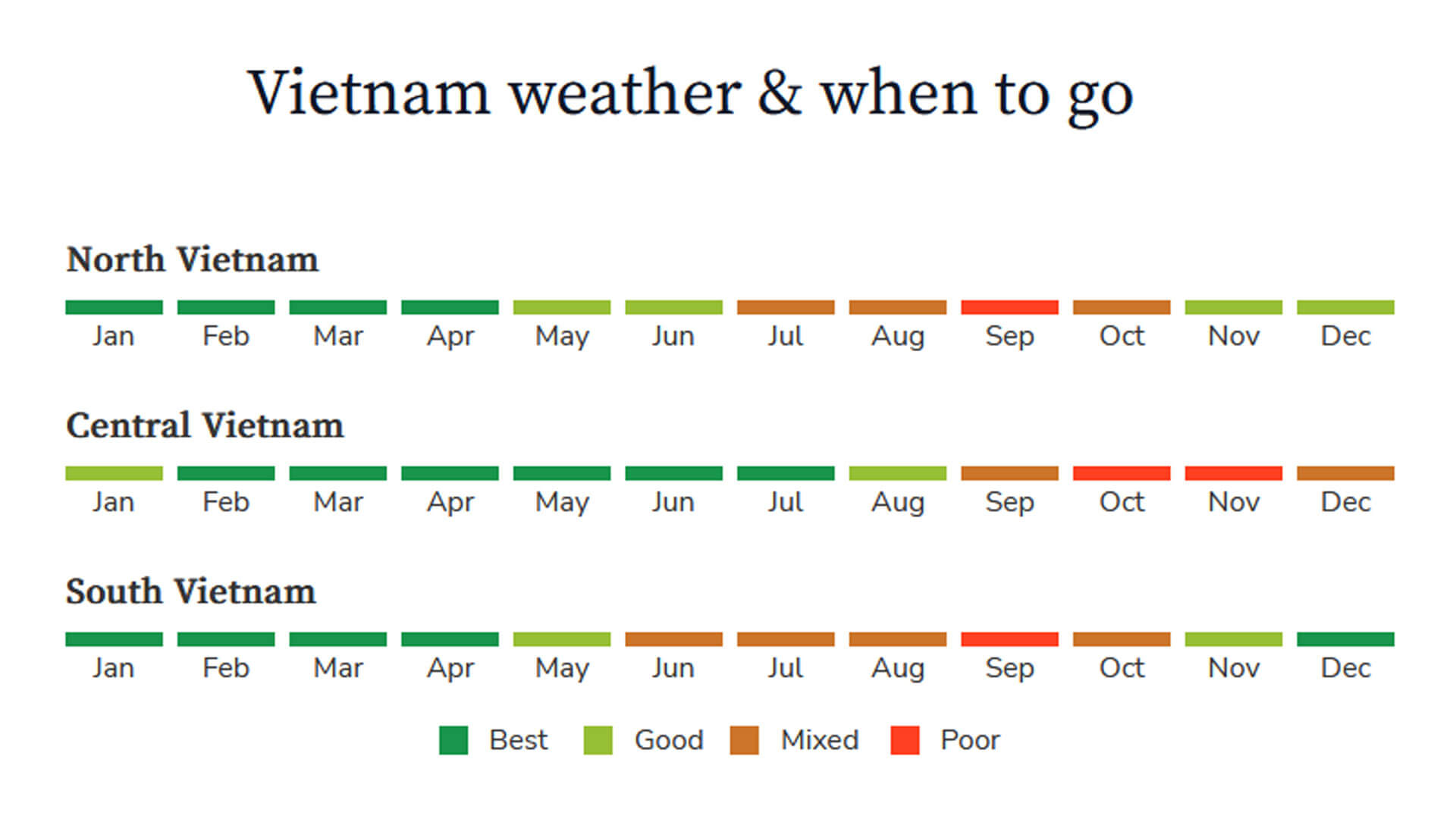
The mountains of northern Vietnam can be visited throughout the year, although conditions vary considerably with altitude and location.
September to November is one of the most rewarding periods for mountain journeys. Temperatures become more comfortable, skies are often clearer and the rice terraces around Sapa and other northern valleys can be particularly spectacular around harvest time.
mars à mai brings mild temperatures, greener landscapes and favourable conditions for trekking, cycling and exploring villages. Spring is also a beautiful time to discover the countryside as vegetation comes back to life.
June to August is warmer and wetter, with lush green landscapes and occasional heavy rainfall. Mountain roads can become slippery during periods of rain, but the countryside is at its most vibrant.
December to February is cooler, particularly in the higher mountains. Sapa and other high-altitude areas can be misty and cold, while visibility can change quickly. For travellers prepared for cooler conditions, winter can offer a quieter and atmospheric experience.
Weather varies significantly between destinations, so the ideal travel period depends on whether your priority is trekking, clear mountain views, rice terraces, cultural experiences or simply a quieter journey.