Дананг
Discover Da Nang: Where Mountains Meet the Sea
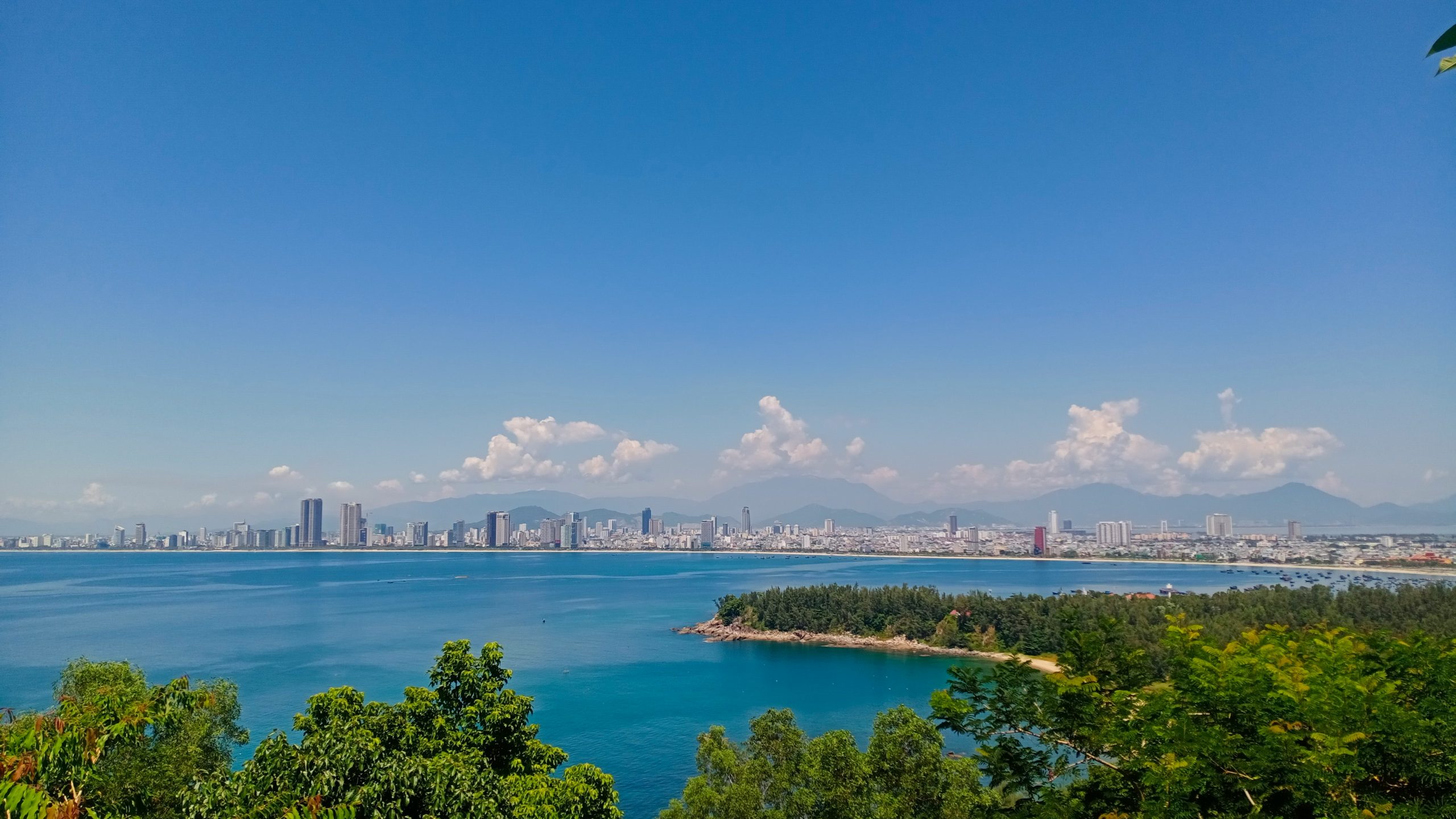
Set between the mountains and the sea, Da Nang is one of Vietnam’s most inviting coastal cities. Wide sandy beaches stretch along the coast, the Han River flows through the heart of the city, and the surrounding mountains create a dramatic backdrop that is never far from view.
Start the morning by the sea, explore the atmospheric streets and local markets of the city, then watch the lights of Da Nang come alive along the river at night. Beyond the city, the Marble Mountains reveal caves, pagodas and panoramic views, while the Son Tra Peninsula offers lush forests, winding roads and glimpses of a wilder coastline.
Da Nang is also an ideal base for discovering the treasures of Central Vietnam. From here, Hoi An, Hue and the spectacular Hai Van Pass are within easy reach, making it possible to combine beaches and relaxation with history, culture and breathtaking landscapes.
Whether you are looking for a relaxing coastal escape, an active adventure or a starting point for exploring Central Vietnam, Da Nang offers the freedom to experience Vietnam at your own pace.
Достопримечательности
Карта
Информация
Places to Discover in Da Nang
My Khe Beach & the Coast
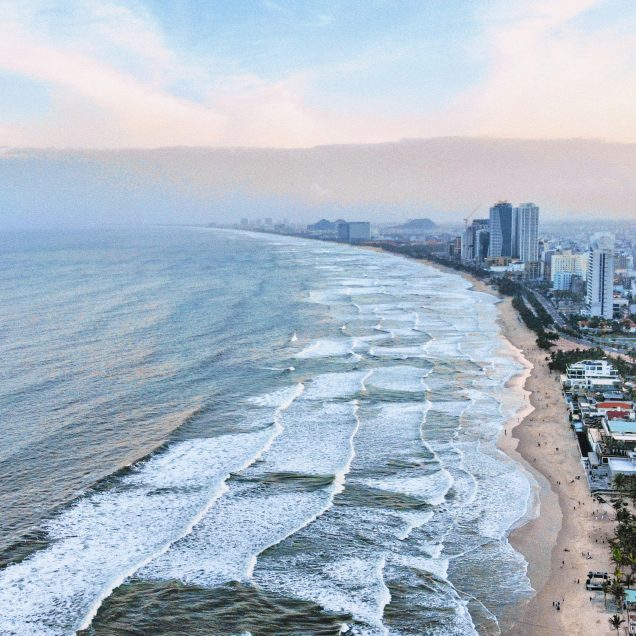
Da Nang begins with the sea. Stretching along the eastern edge of the city, My Khe Beach is a beautiful place to slow down, whether you want to swim in the morning, walk along the shore at sunset or simply enjoy the sound of the waves. The long coastline gives Da Nang a wonderfully open feeling, with plenty of space to combine a city stay with a few peaceful days by the sea.
The Han River & Da Nang by Night
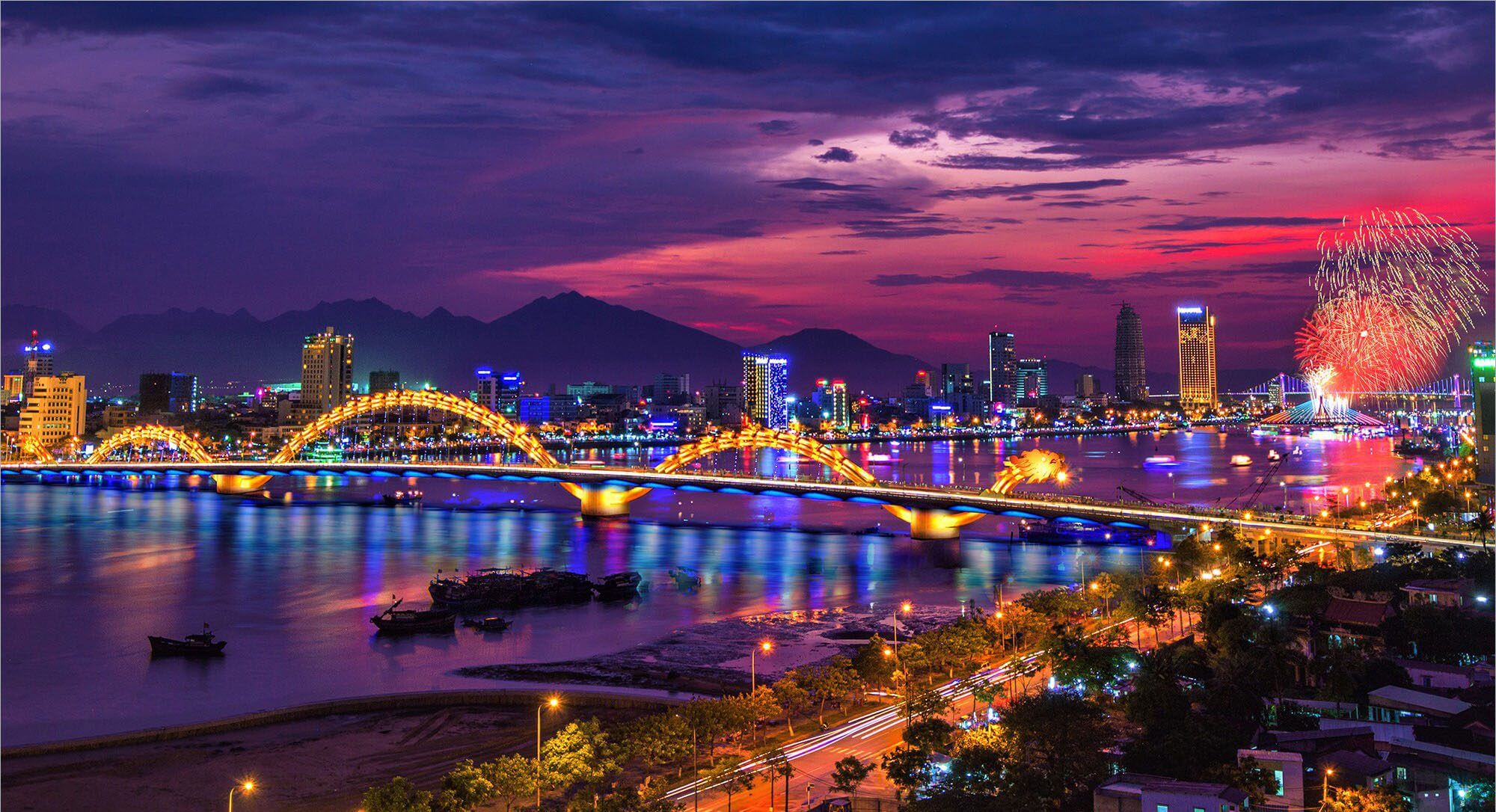
As evening falls, the city changes character. The Han River becomes the centre of Da Nang’s nightlife, with bridges illuminated against the skyline and riverside streets filling with locals and visitors. The Dragon Bridge is the city’s most recognisable landmark, while a walk along the waterfront offers a quieter way to experience the energy of modern Da Nang.
Мраморные горы
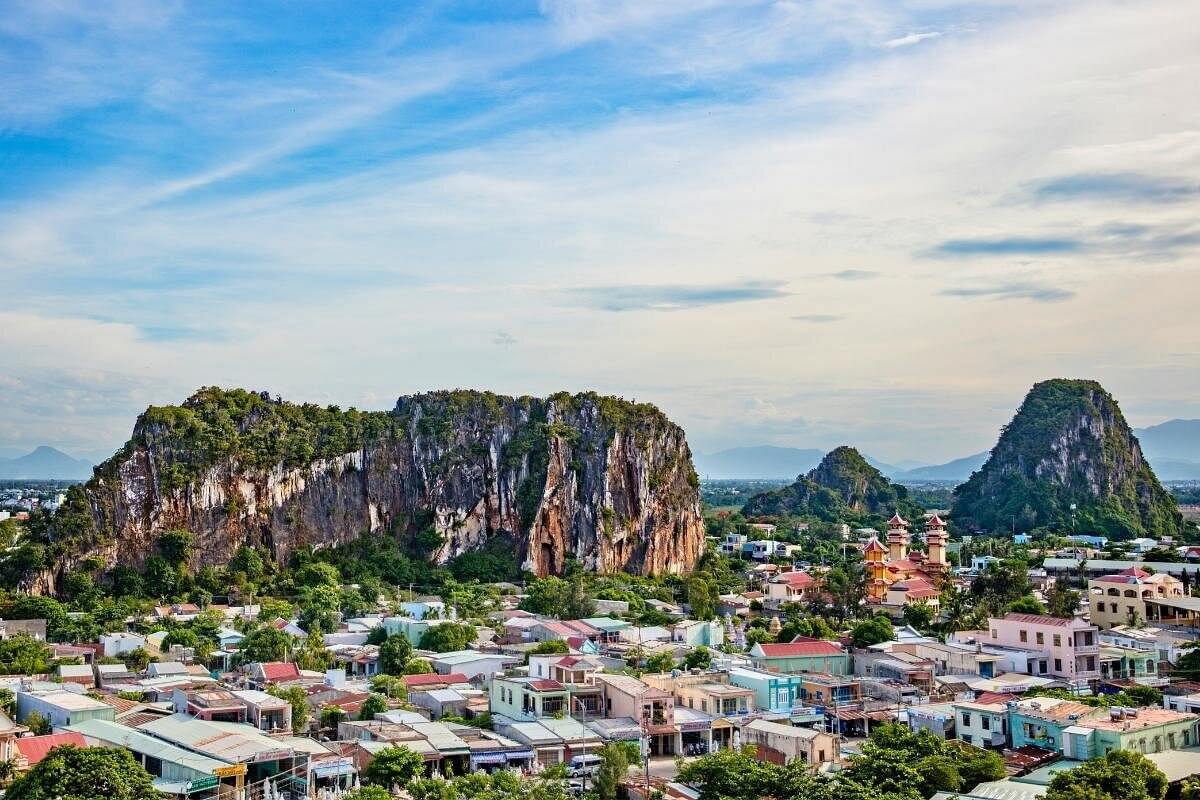
Just outside the city, the Marble Mountains rise dramatically from the coastal plain. Follow stairways through limestone caves and discover centuries-old pagodas and Buddhist sanctuaries hidden among the rocks. From the higher viewpoints, the landscape opens towards the sea, offering a glimpse of how closely Da Nang’s mountains, city and coastline are connected.
Son Tra Peninsula
A short journey from the centre leads into a completely different landscape. The Son Tra Peninsula is covered in forest and surrounded by a rugged coastline, with winding roads leading to viewpoints overlooking the sea. It is a wonderful place to escape the city for a few hours, explore the peninsula at a slower pace and, with luck, spot some of the rare wildlife that lives in its forests.
Cham Culture & Local Heritage
Da Nang’s story stretches far beyond its modern skyline. At the Museum of Cham Sculpture, one of the world’s most important collections of Cham art brings the history of the ancient Champa civilisation to life through intricately carved sandstone sculptures. Markets, neighbourhood restaurants and local food stalls offer another way to discover the living culture of Central Vietnam.
Ba Na Hills & the Golden Bridge
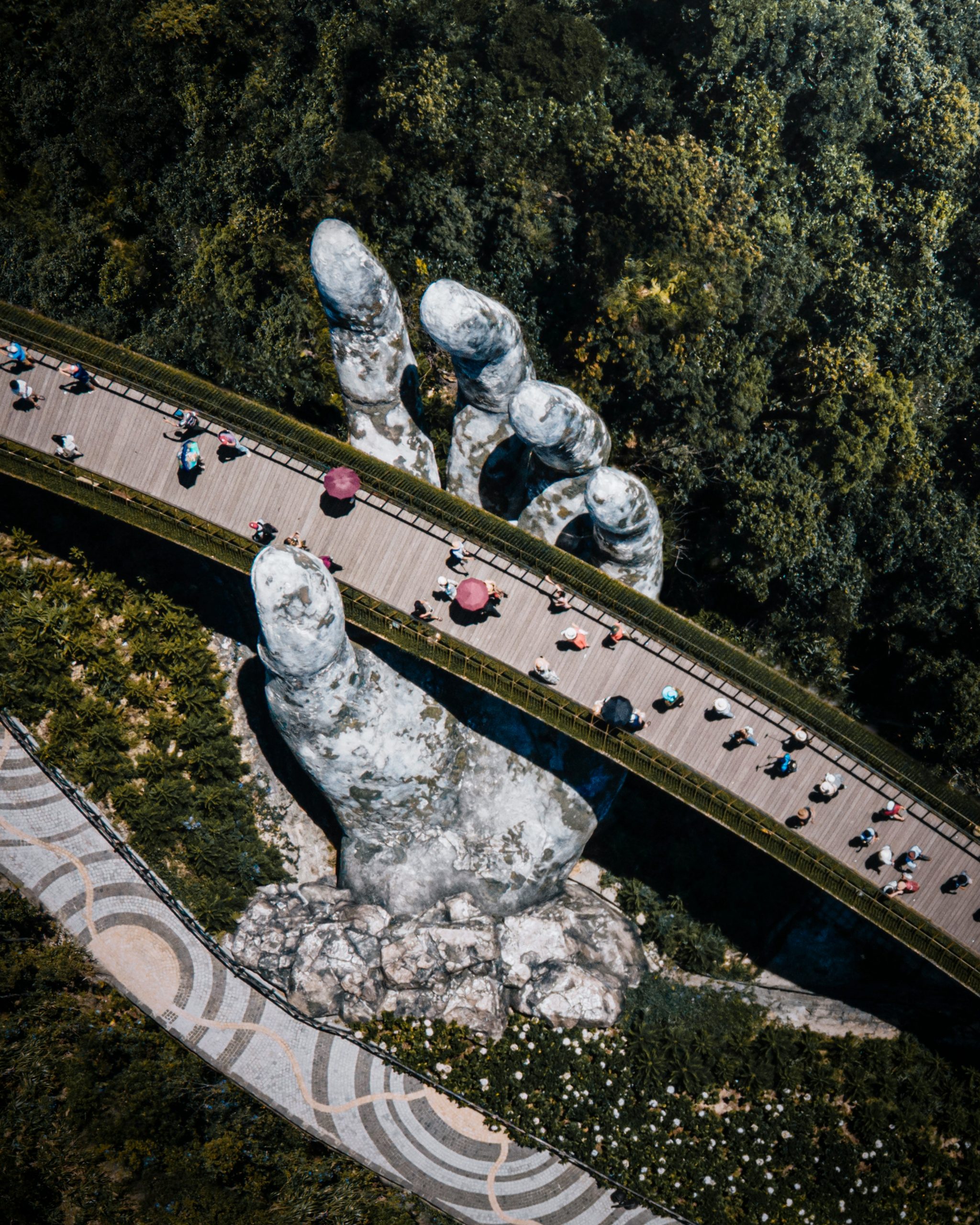
High above the city, Ba Na Hills offers a striking change of scenery. The famous Golden Bridge, held above the mountains by giant stone-like hands, has become one of Vietnam’s most recognisable landmarks. Beyond the bridge, mountain views, gardens and cooler temperatures create a very different experience from the tropical coast below.
Перевал Хайван
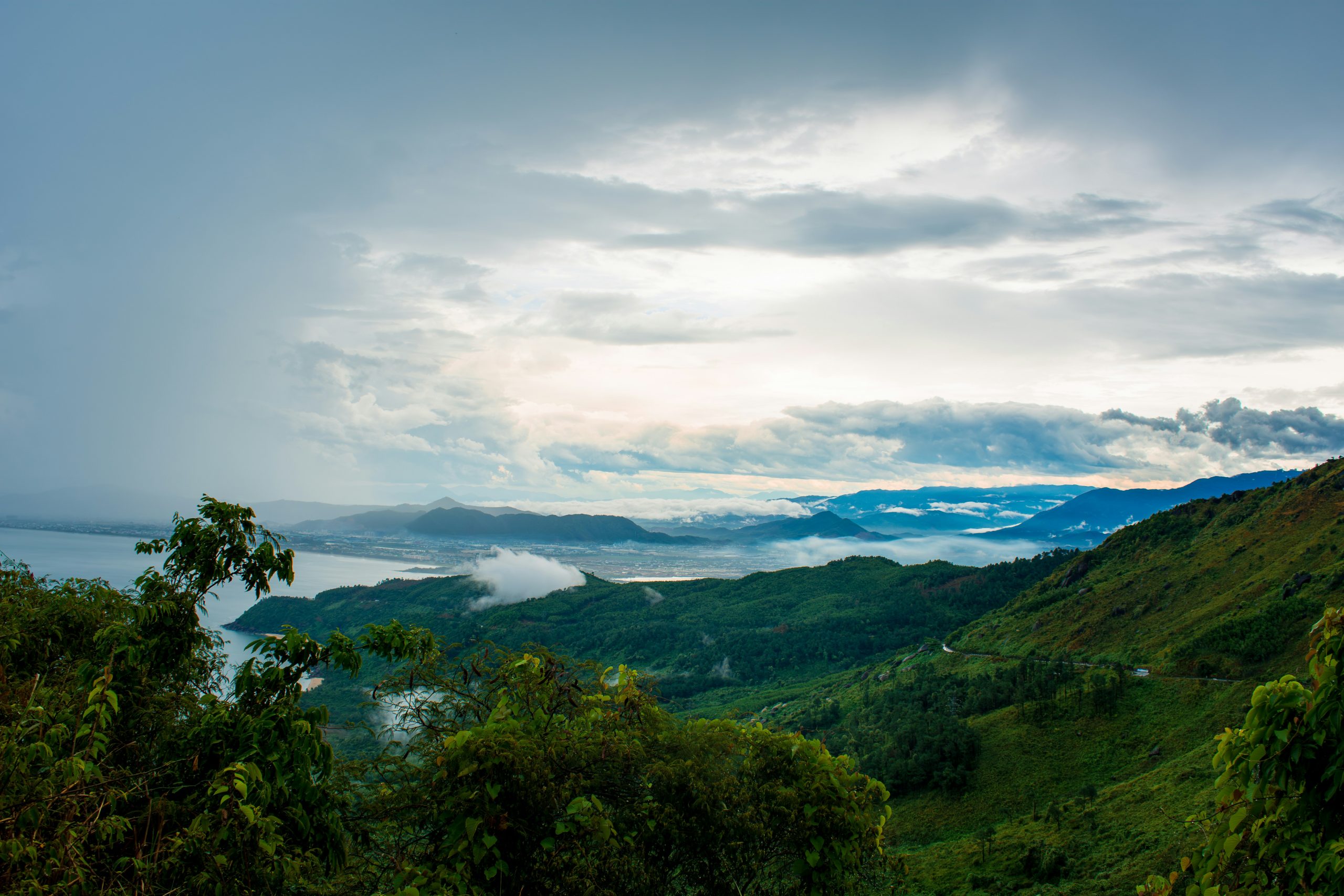
The journey north from Da Nang is an experience in itself. Winding between the mountains and the sea, the Hai Van Pass offers spectacular views over the coastline and is one of Central Vietnam’s most memorable scenic routes. It can be explored as a day excursion or incorporated naturally into a journey between Da Nang, Hue and the surrounding region.
Beyond Da Nang
Da Nang is also an ideal starting point for discovering Central Vietnam. Travel south to Hoi An, where lantern-lit streets and historic architecture create an entirely different atmosphere, or north towards Hue, the former imperial capital surrounded by royal heritage and peaceful landscapes. Together, these destinations make it easy to build a journey that combines beaches, culture, history and nature.
When to Travel
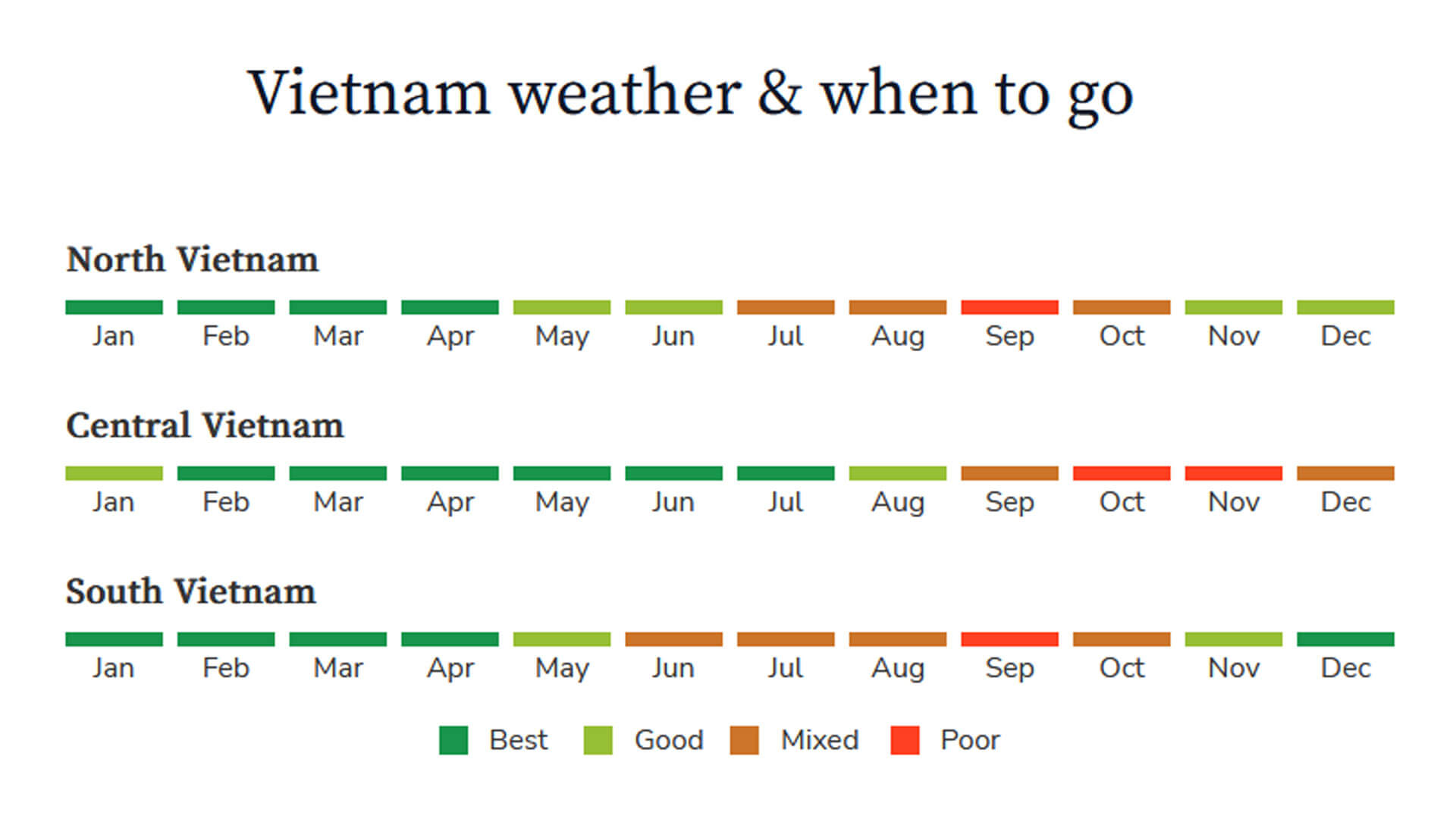
Da Nang has a tropical climate, with a distinct dry season and a wetter period towards the end of the year. The city can be visited throughout the year, but the best time depends on the kind of experience you are looking for.
February to May is generally one of the most comfortable periods to visit, with warm temperatures and relatively dry weather. It is an excellent time for exploring the city, visiting the Marble Mountains and enjoying the beaches without the strongest summer heat.
June to August brings hot, sunny weather that is particularly well suited to beach holidays and swimming. Temperatures can be high, but the long daylight hours make it easy to combine time by the sea with sightseeing and excursions.
September to January is the wetter period, with higher humidity and more frequent rainfall. Showers can be heavy, particularly later in the year, but they can also bring quieter streets and greener landscapes. Weather conditions can change quickly, so flexibility is useful when planning outdoor activities.
Practical Information
Currency: The official currency is the Vietnamese Dong (VND). Cards are widely accepted in hotels, larger restaurants and established businesses, while cash remains useful for markets, smaller restaurants and local shops.
Язык: Vietnamese is the official language. English is commonly spoken in hotels, restaurants and tourist areas.
Getting Around: Da Nang is easy to explore by taxi, ride-hailing service or private vehicle. The city is relatively compact, while private transfers are particularly convenient for visiting the Marble Mountains, Son Tra Peninsula, Ba Na Hills and surrounding destinations.
Beach & Outdoor Activities: Da Nang’s coastline is ideal for swimming, walking and relaxing. Sea conditions vary throughout the year, so activities such as swimming and water sports are best planned according to the season and local conditions.
Visiting Religious Sites: When visiting pagodas, temples and the Marble Mountains, modest clothing covering the shoulders and knees is recommended. Visitors should respect local customs and remove their shoes where requested.
Combining Da Nang with Other Destinations: Da Nang works particularly well as part of a tailor-made Central Vietnam journey, with Hoi An, Hue, the Hai Van Pass and other surrounding destinations easily incorporated into the itinerary.