Hoi An
Discover Hoi An: Where Ancient Streets Meet River Life
Hoi An is one of Vietnam’s most atmospheric destinations, where centuries of history come alive along narrow streets, ochre-coloured houses and the peaceful banks of the Thu Bon River. Once an important trading port, the town still reflects the influence of Vietnamese, Chinese, Japanese and European merchants who shaped its architecture, culture and traditions.
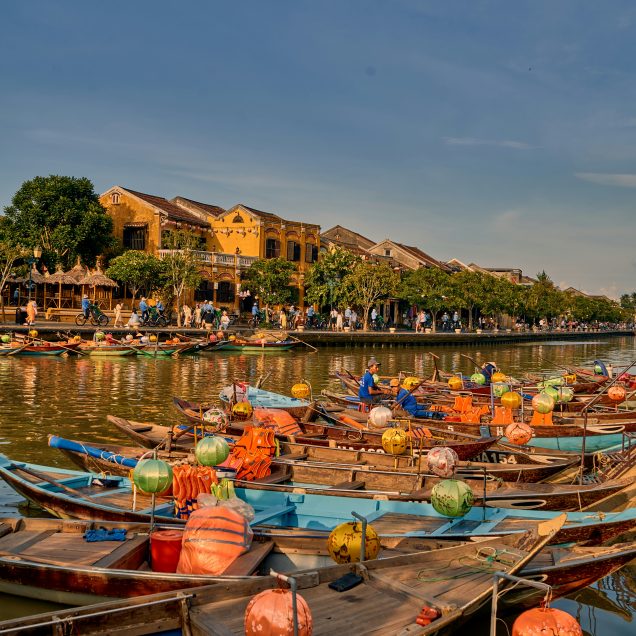
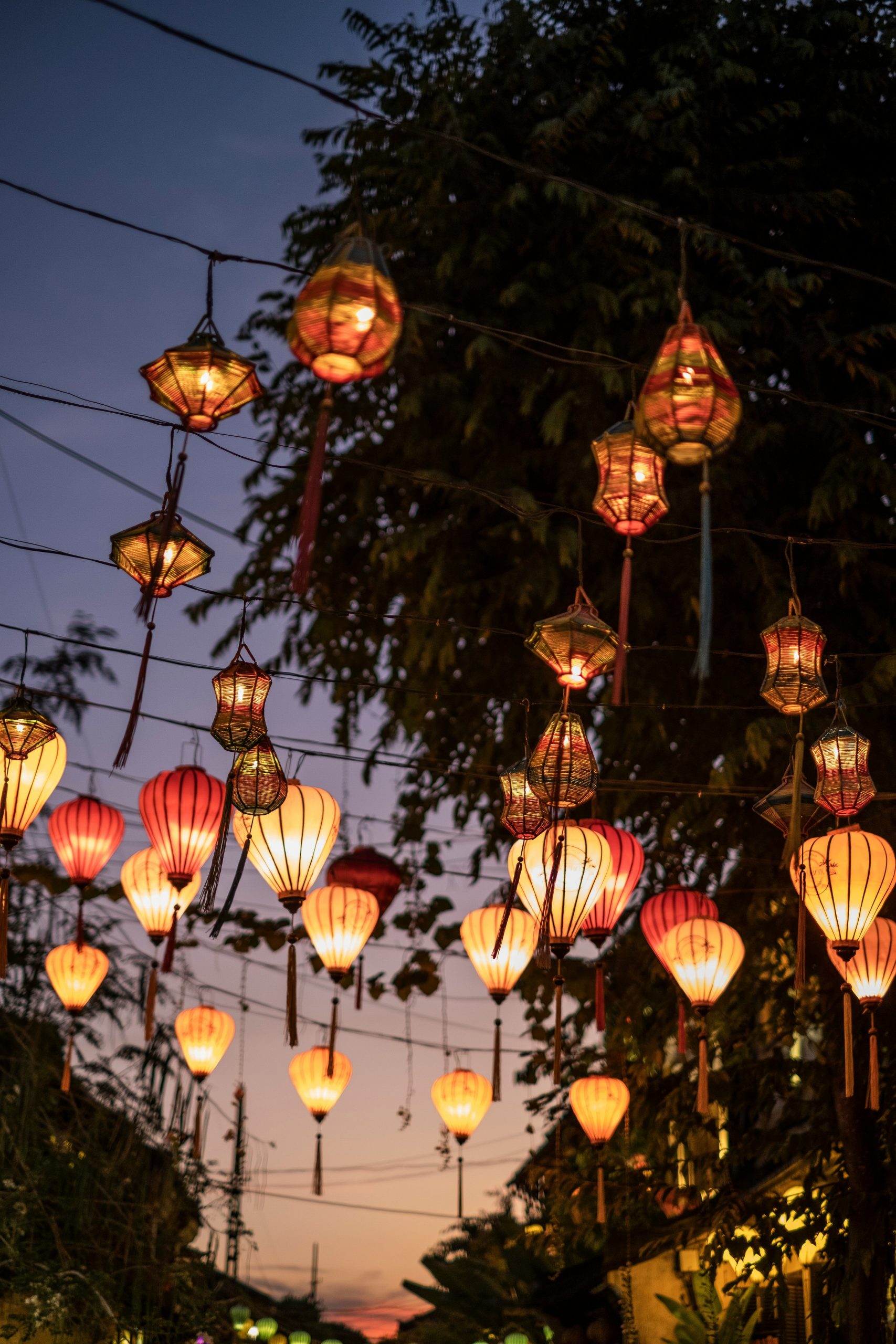
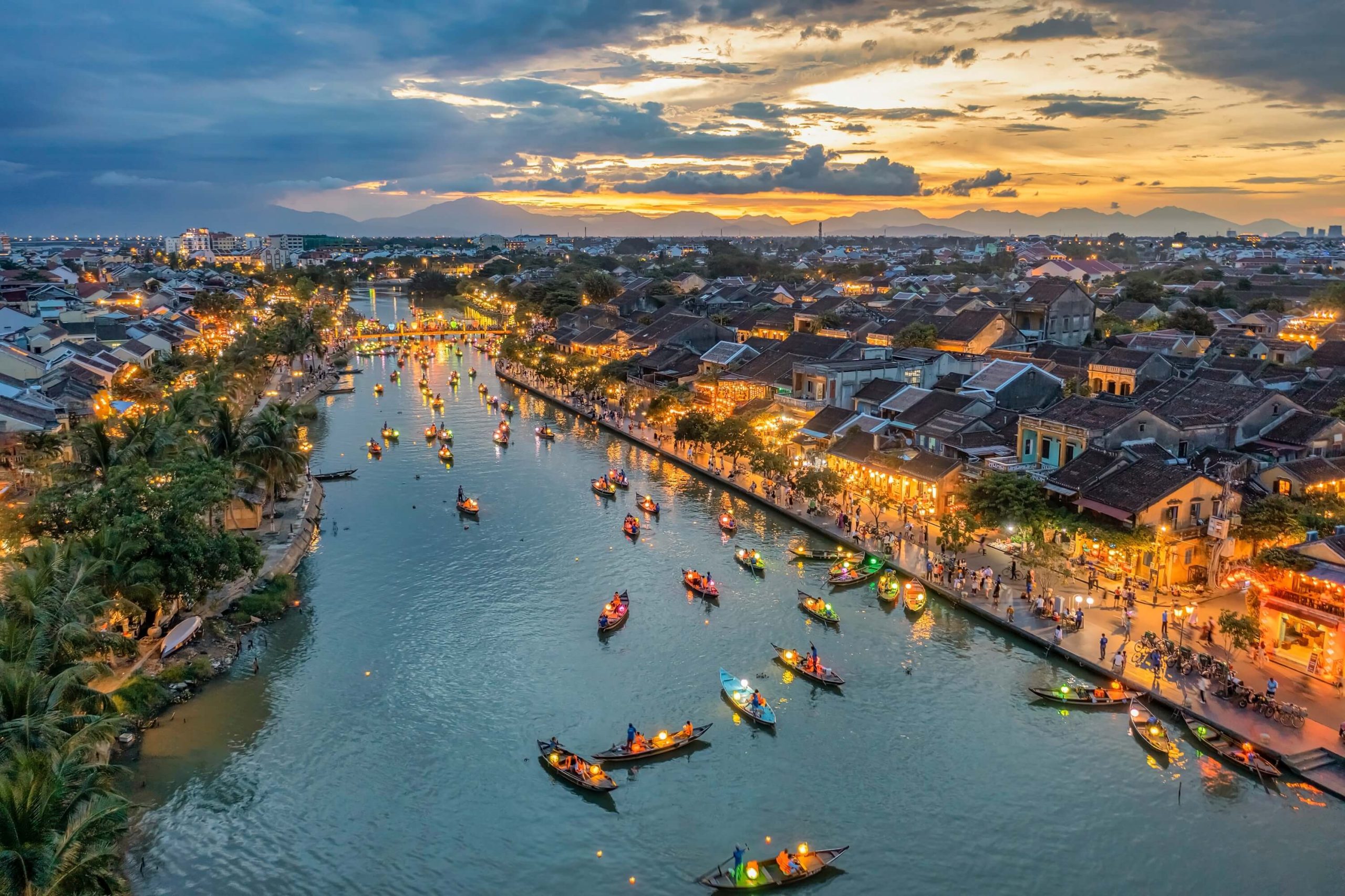
At the heart of the experience is the Old Town, where historic houses, ancient assembly halls and lantern-lit streets create an atmosphere unlike anywhere else in Vietnam. Wander through the old streets in the early morning, discover local markets and riverside cafés, or explore the town after dark when colourful lanterns illuminate the water.
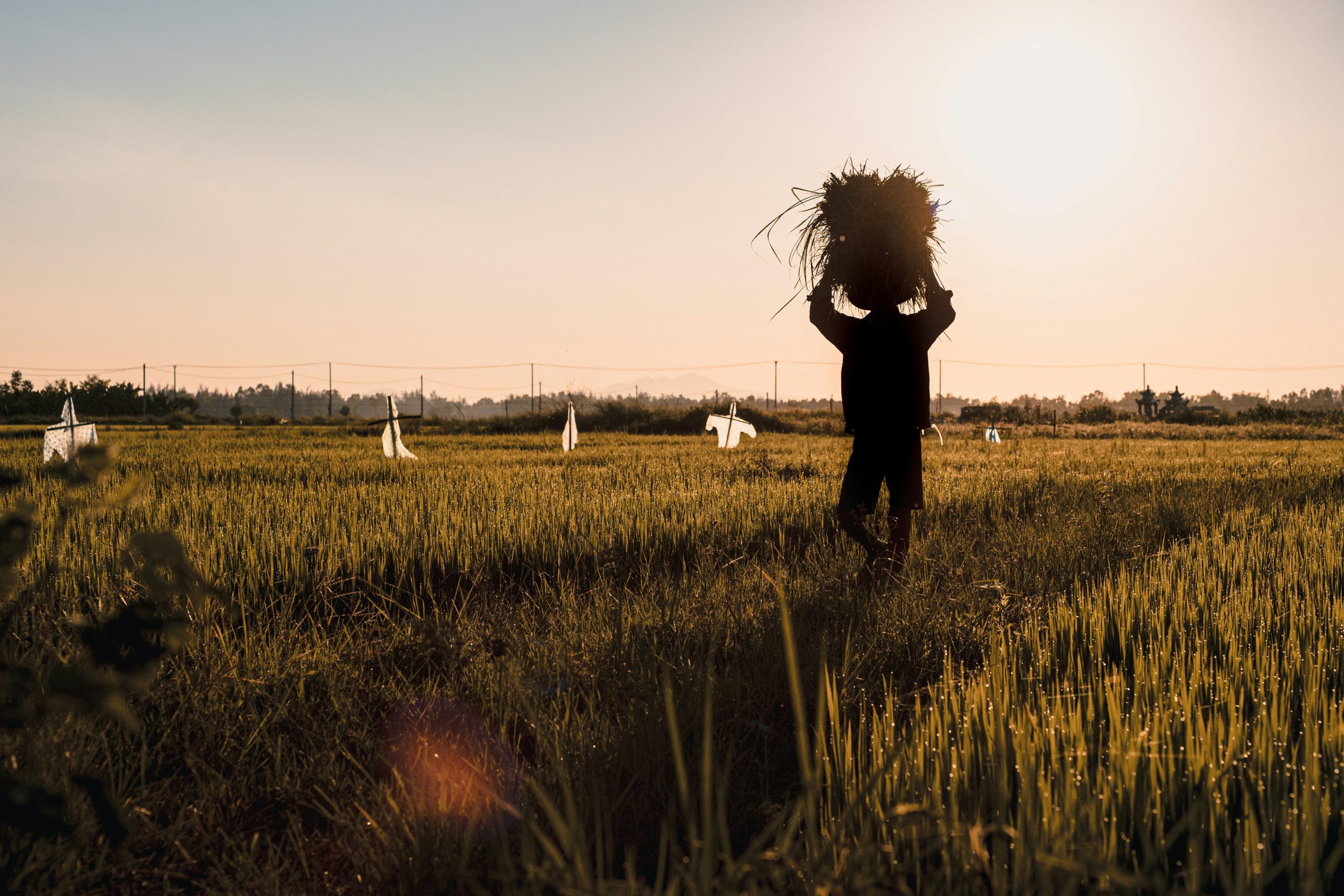
Beyond the historic centre, Hoi An reveals a quieter side of Central Vietnam. Cycle through rice fields and rural villages, visit traditional craft communities, relax on An Bang Beach or travel along the river towards the countryside.
Whether you come for history, food, culture, cycling or simply the pleasure of slowing down, Hoi An offers a deeply memorable way to experience Vietnam.
Sights
Map
Info
Places to Discover in Hoi An
Hoi An Ancient Town
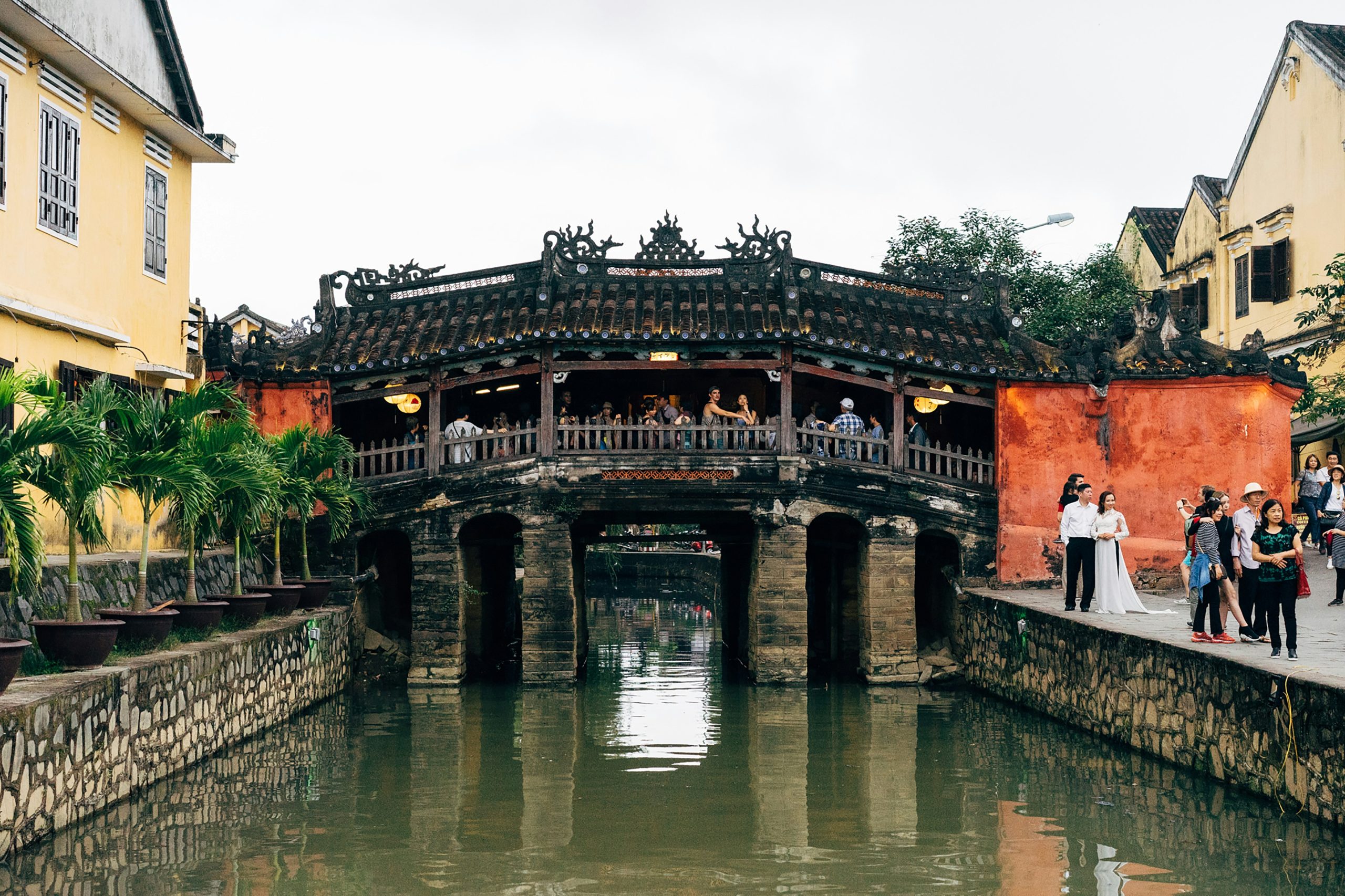
The heart of Hoi An is its beautifully preserved Old Town, where ochre-coloured buildings, wooden merchant houses and historic assembly halls reflect the town’s centuries as an international trading port. Wander through the narrow streets at your own pace, discover hidden courtyards and small workshops, and cross the iconic Japanese Covered Bridge, one of Hoi An’s most recognisable landmarks.
Hoi An After Dark
As evening arrives, Hoi An takes on a completely different atmosphere. Lanterns illuminate the old streets and the Thu Bon River, while markets, cafés and riverside restaurants bring the historic centre to life. A walk through the Old Town after sunset is one of the most memorable ways to experience the character of Hoi An.
The Thu Bon River
The river has always been central to Hoi An’s identity. Traditional boats move between the town and surrounding villages, while the waterfront offers a glimpse into the everyday rhythm of life along the river. Boat trips can be combined with visits to nearby communities or simply enjoyed as a peaceful way to see Hoi An from a different perspective.
Crafts & Tailor-Made Experiences
Hoi An is renowned for its traditional crafts and skilled tailors. Browse colourful fabrics, visit local workshops and discover the techniques behind silk, lanterns, ceramics and other handmade products. For travellers looking for something personal to take home, the town’s tailoring tradition offers the opportunity to have clothing made to individual measurements and preferences.
Countryside & Cam Thanh
Just beyond the historic centre, the landscape changes to rice fields, waterways and quiet villages. Cycle through the countryside, meet local communities and explore Cam Thanh, known for its water coconut palms and traditional basket boats. These experiences offer a slower perspective on Hoi An and the rural life surrounding the town.
Hoi An’s Culinary Heritage
Food is an essential part of discovering Hoi An. Taste local specialities such as Cao Lau, White Rose dumplings and Hoi An-style Banh Mi, or explore the local market with a guide to discover the ingredients and flavours behind Central Vietnamese cuisine. Cooking classes can also be incorporated into a tailor-made journey for a more hands-on experience.
An Bang Beach
A short journey from the Old Town leads to An Bang Beach, where a long stretch of sand and the open sea provide a peaceful contrast to the historic centre. Spend a few hours by the water, enjoy a relaxed lunch or combine a beach stay with time exploring the town and countryside.
When to Travel
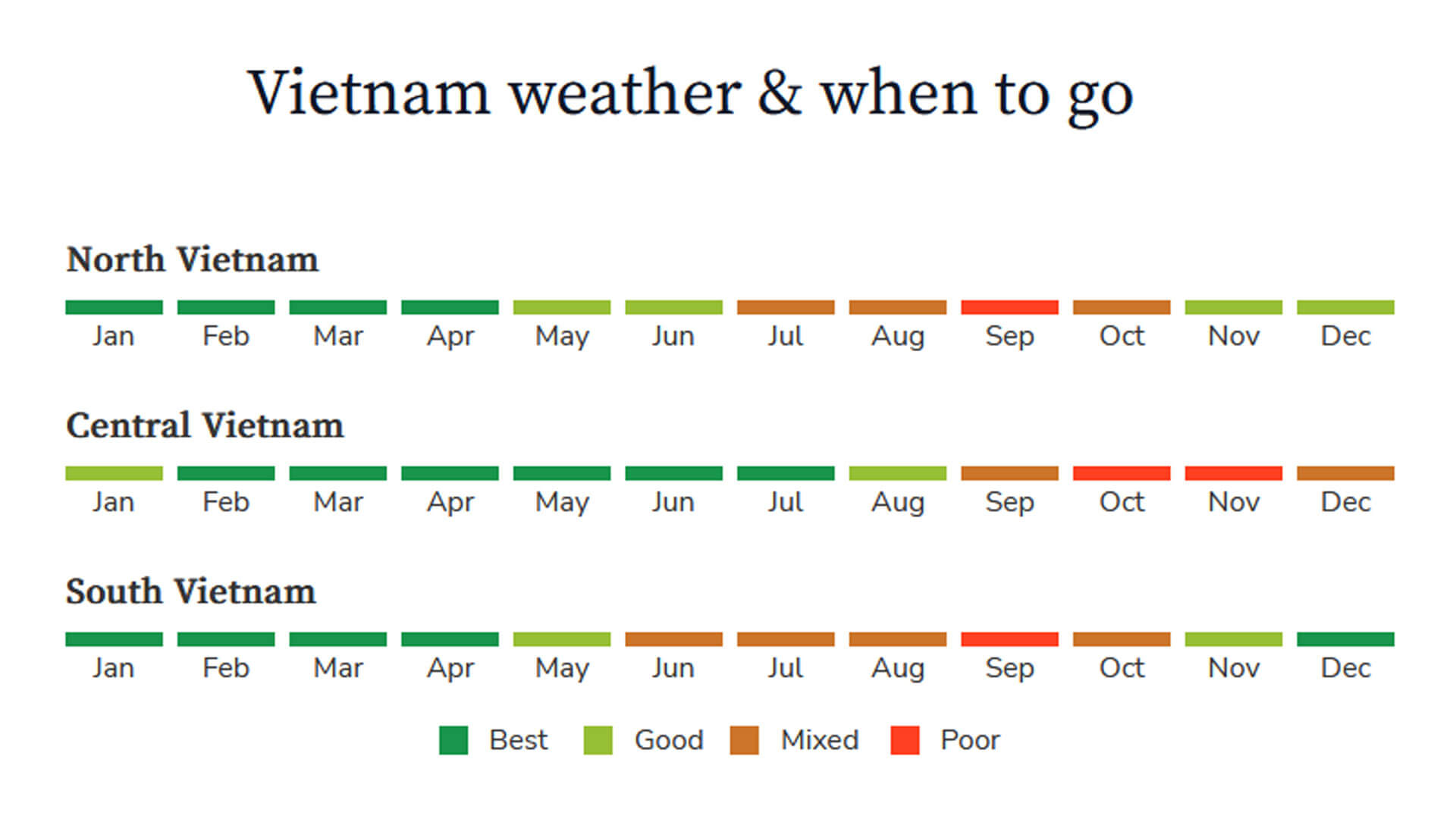
Hoi An can be visited throughout the year, although the experience changes with the seasons.
February to May is generally one of the most comfortable periods, with warm temperatures and relatively dry conditions. It is particularly well suited to walking through the Old Town, cycling in the countryside and enjoying outdoor experiences.
June to August brings hot, sunny weather and is a good period for travellers looking to combine cultural exploration with time at the beach. Temperatures can be high, so early mornings and late afternoons are often the most comfortable times for sightseeing.
September to January is the wetter period, with rainfall becoming more frequent towards the end of the year. The countryside becomes lush and green, while the Old Town takes on a quieter atmosphere between showers. During periods of heavy rain, river levels can rise and conditions in the historic centre may change.
Hoi An’s famous lantern atmosphere can be enjoyed throughout the year, making the town a rewarding stop whatever the season.