South Vietnam
Discover South Vietnam: Where City Energy Meets Rivers, Coast & Nature
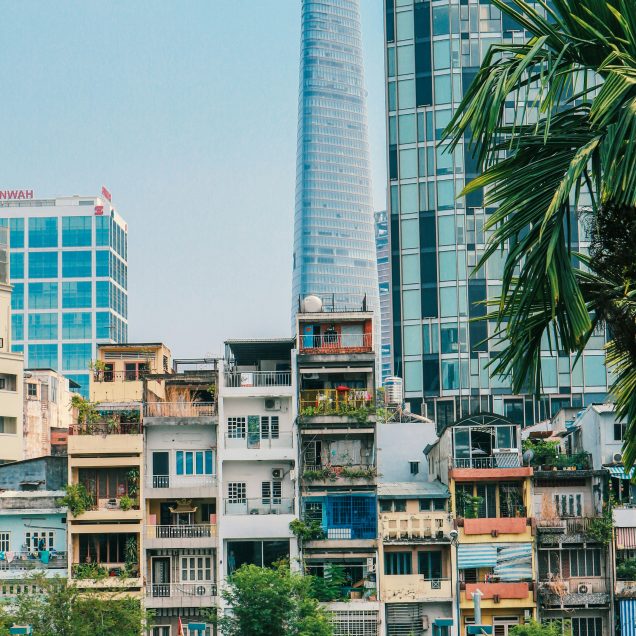
South Vietnam brings together the energy of Ho Chi Minh City, the waterways of the Mekong Delta, tropical islands, coastal landscapes and some of the country’s most diverse natural environments. Beyond the major attractions, the region offers plenty of opportunities to slow down and discover a quieter, more local side of southern Vietnam.
Travel beyond the city to explore the riverside towns and orchards of the Mekong Delta, discover the flower-growing traditions of Sa Đéc, experience the cultural diversity of Châu Đôc, or follow the coast towards Vũng Tàu and the surrounding beaches. Further inland, Cát Tiên National Park offers a completely different experience, with forests, wildlife and opportunities to explore Vietnam’s natural landscapes.
South Vietnam is particularly rewarding for travellers who enjoy combining different experiences within one journey. Local markets, boat trips, cycling, food, nature, cultural encounters and coastal escapes can all be woven into a tailor-made itinerary.
Whether you want to explore the region’s rivers and countryside, discover lesser-known towns, experience local communities or venture into its natural landscapes, South Vietnam offers a chance to experience the country beyond the main tourist routes.
Viettourist can tailor your journey around your interests and travel pace, combining Ho Chi Minh City, the Mekong Delta, southern coastal destinations and nature experiences into a seamless exploration of South Vietnam.
Sights
Map
Info
Discover South Vietnam Beyond the Main Routes
South Vietnam reveals a very different side of the country beyond the energy of Ho Chi Minh City. From riverside towns and floating communities to coastal landscapes, forests and diverse cultural traditions, the region offers many opportunities to slow down and experience southern Vietnam at a more local pace.
Sa Đéc: Riverside Life & Cultural Heritage
On the banks of the Mekong, Sa Đéc is a charming riverside town known for its flower gardens, traditional houses and connections to Vietnam’s colonial past.
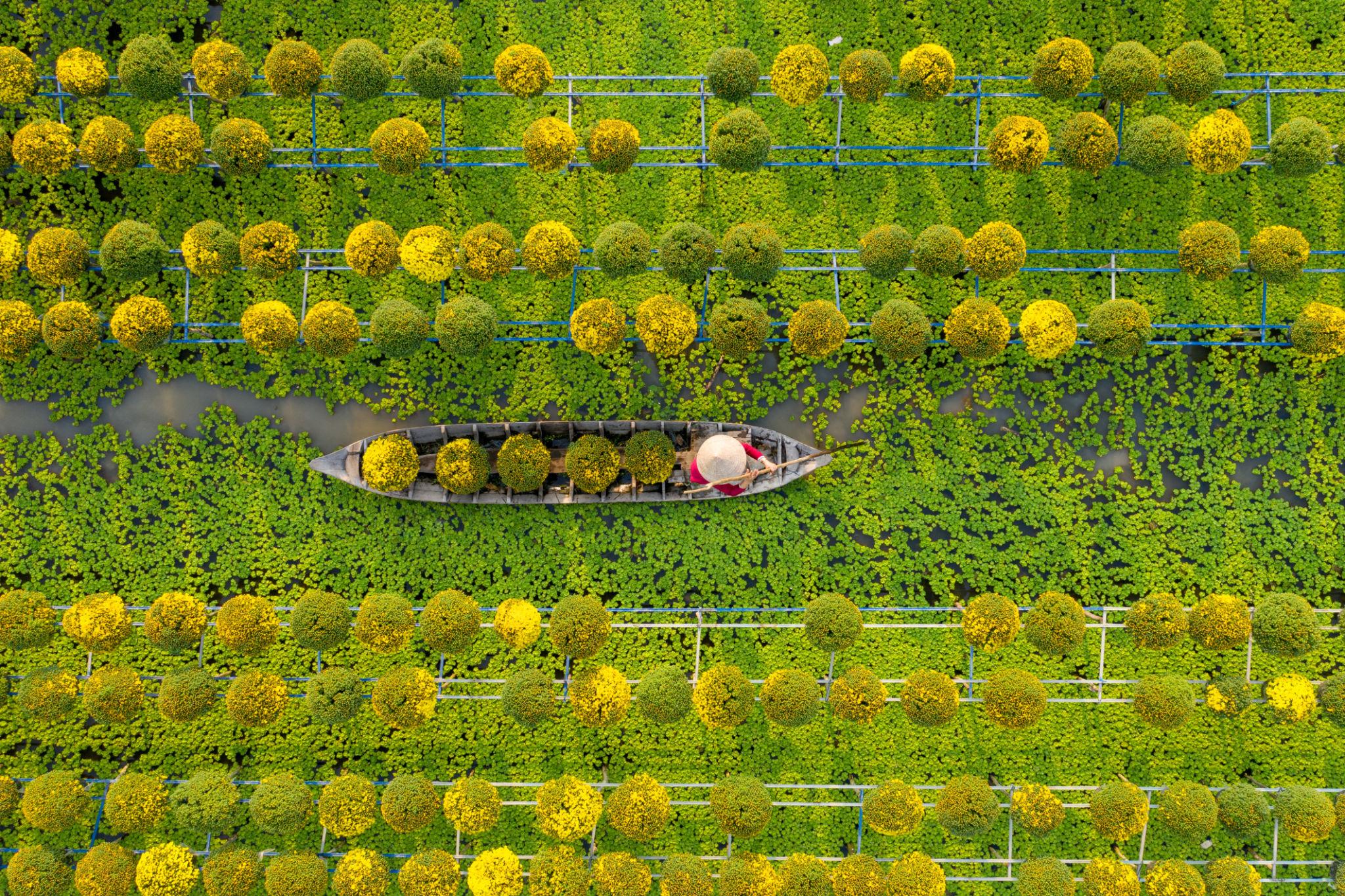
The town is particularly known for the Huỳnh Thủy Lê Ancient House, a beautifully preserved historic residence associated with the story of French writer Marguerite Duras and her novel The Lover. Beyond its literary heritage, Sa Đéc is surrounded by flower nurseries and gardens, where generations of local growers cultivate plants along the waterways.
Exploring Sa Đéc offers a quieter perspective on the Mekong Delta, with opportunities to discover local markets, traditional architecture, gardens and everyday life away from the region’s busier tourist centres.
Châu Đôc: Where Cultures Meet Along the Mekong
Located close to the Cambodian border, Châu Đôc is one of the Mekong Delta’s most culturally diverse destinations. Vietnamese, Cham and Khmer influences can be experienced through the area’s religious sites, communities, food and riverside way of life.
The slopes of Sam Mountain are home to numerous temples and pagodas, including the famous Miêu Bà Chúa Xứ, while across the Hau River, Cham communities preserve distinctive traditions and architecture. The Mubarak Mosque offers another glimpse into the cultural diversity of the region.
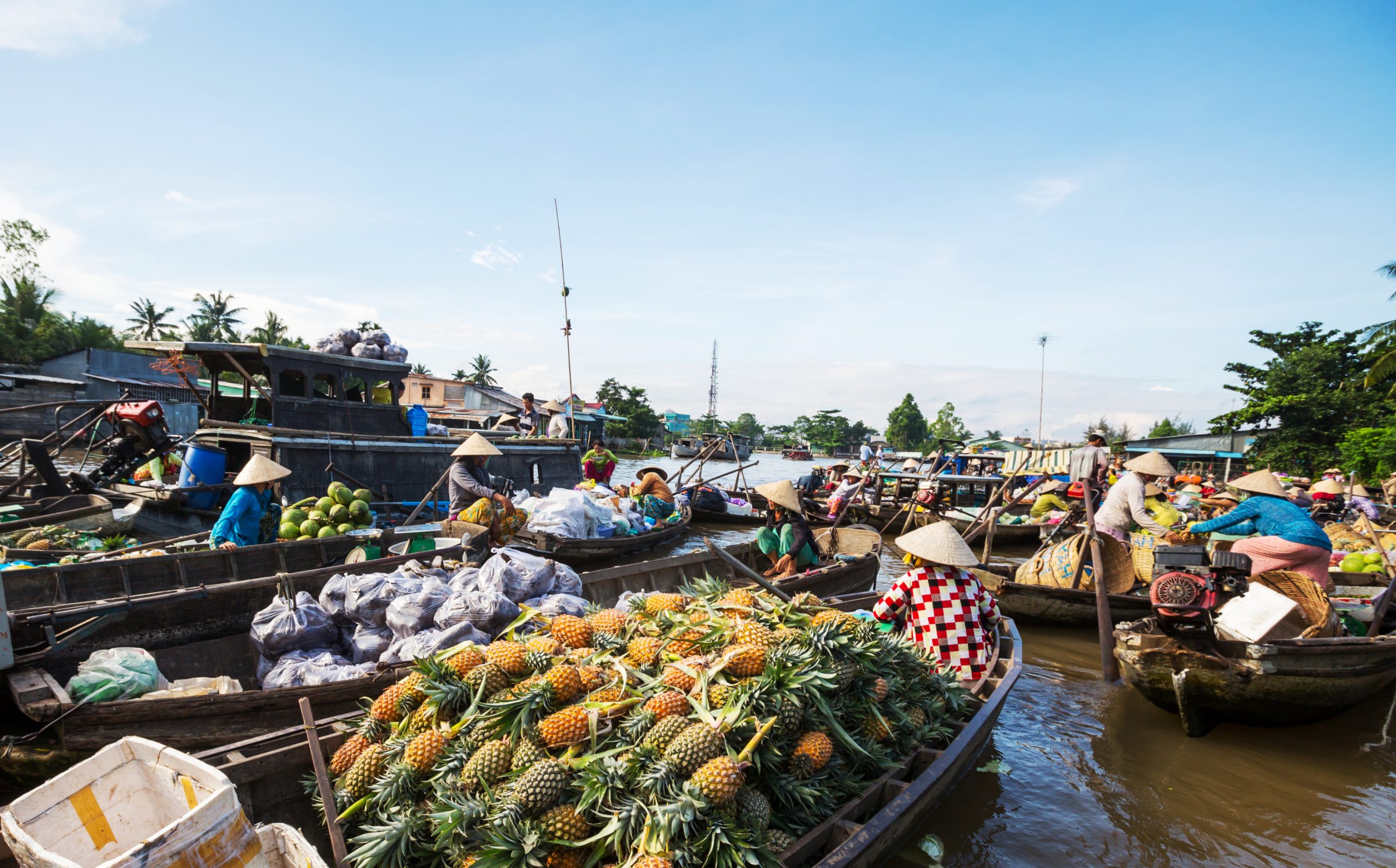
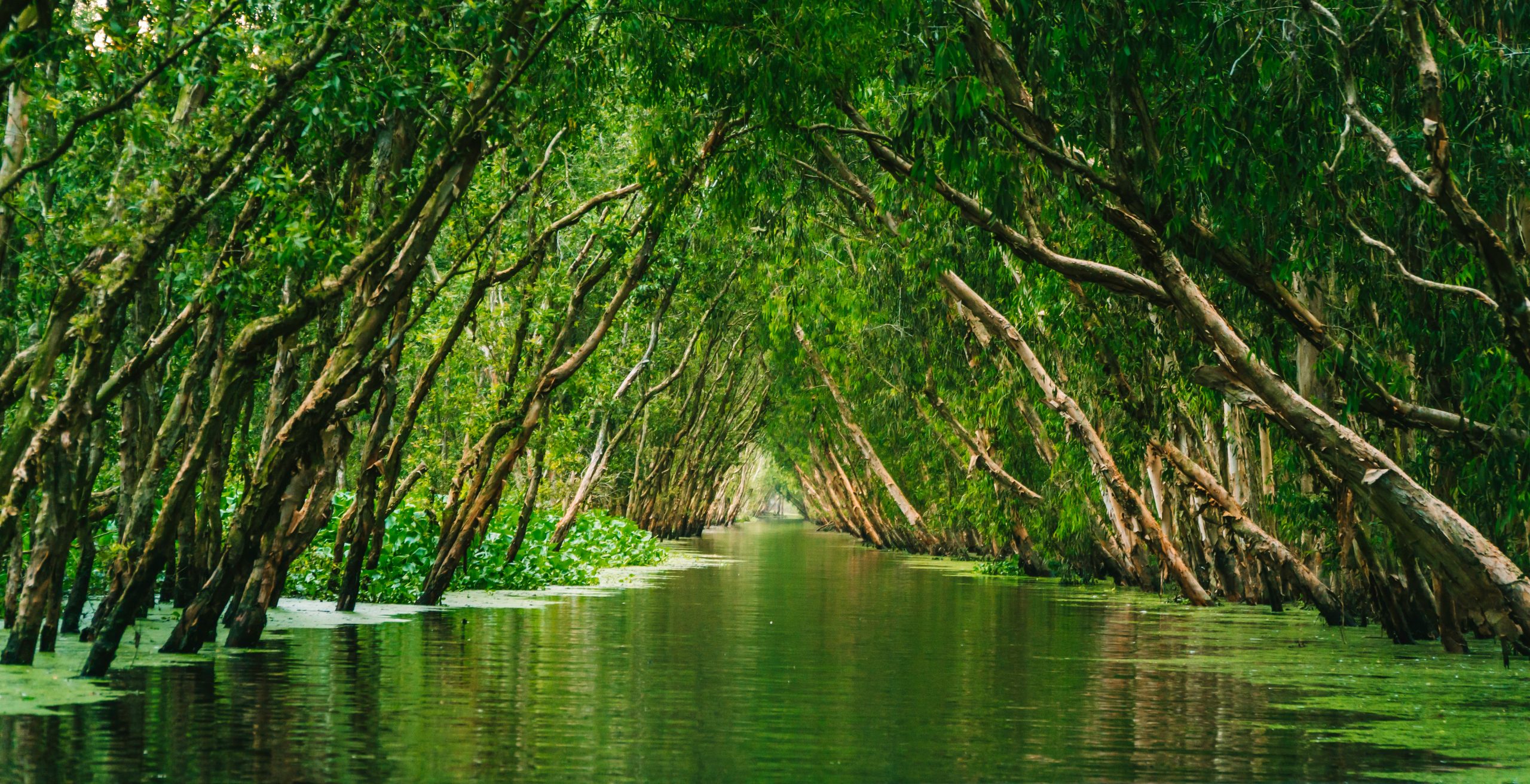
Nature is another important part of the Châu Đôc experience. A boat journey through the Trà Sư Cajuput Forest reveals flooded waterways surrounded by dense vegetation and abundant birdlife. Travellers can also visit the floating village on the Hau River, where homes built on the water are closely connected to local fishing and aquaculture.
Vũng Tàu: Coast, Culture & Coastal Escapes
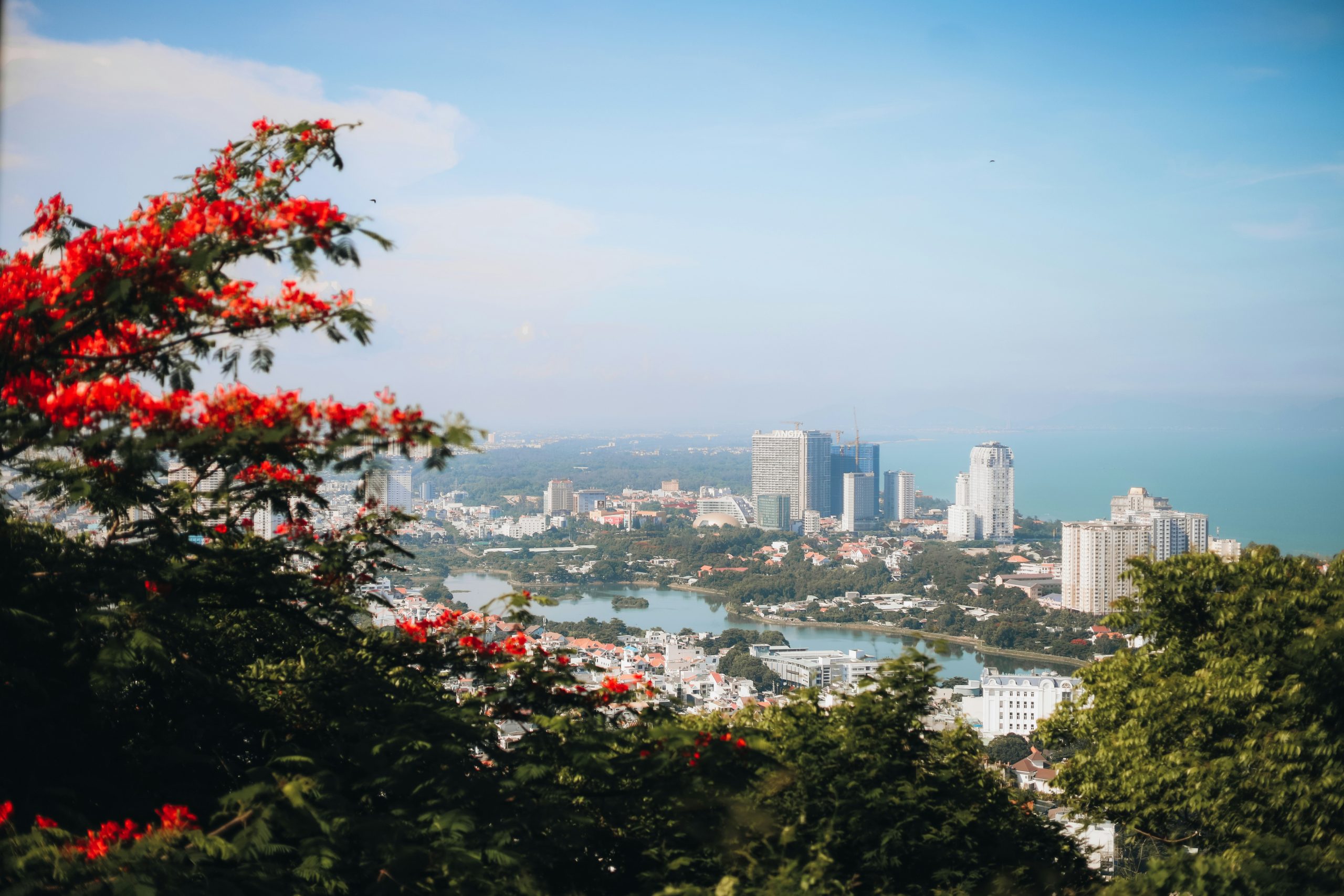
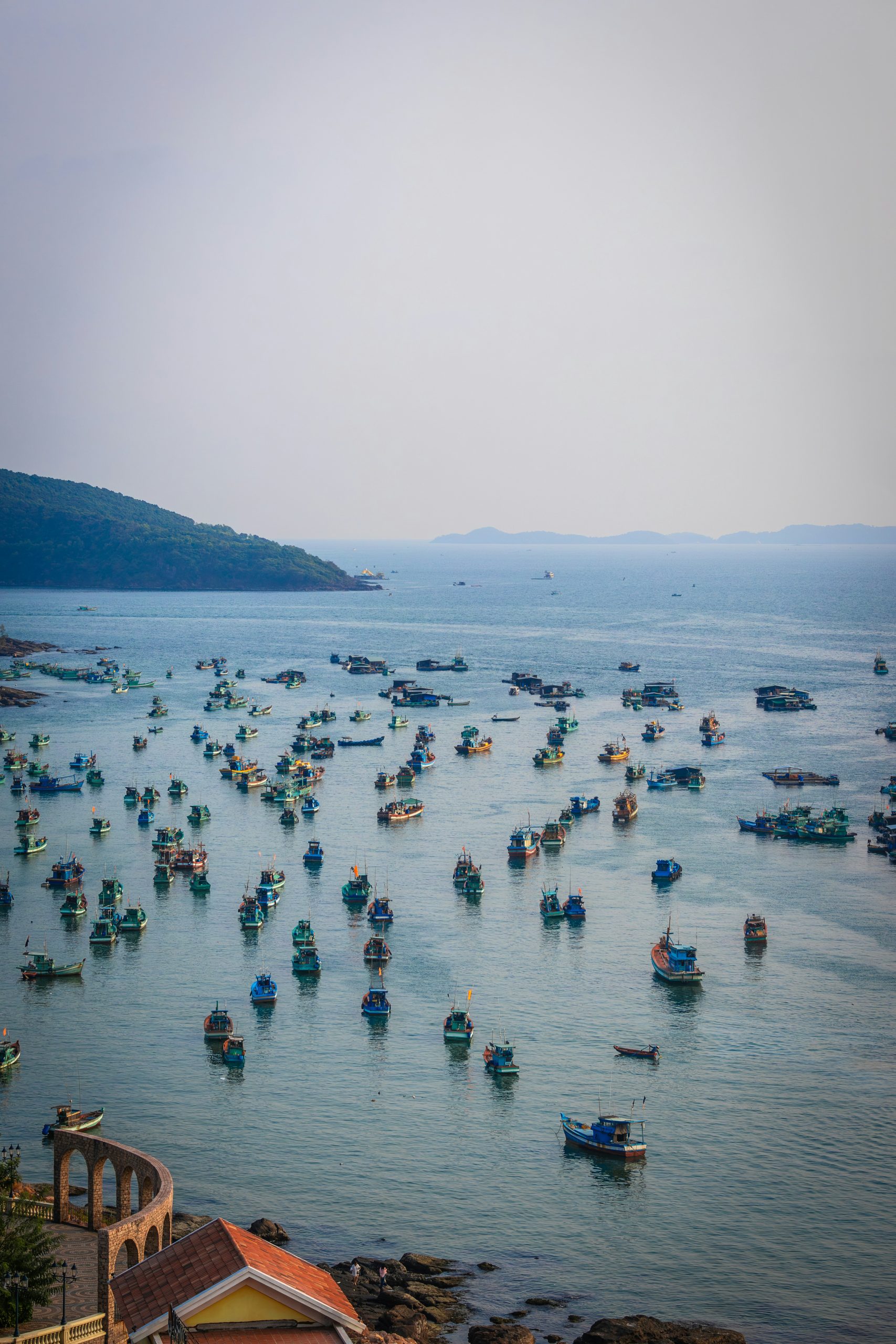
Just a short journey from Ho Chi Minh City, Vũng Tàu offers a refreshing change of pace with beaches, seafood, religious sites and historic landmarks.
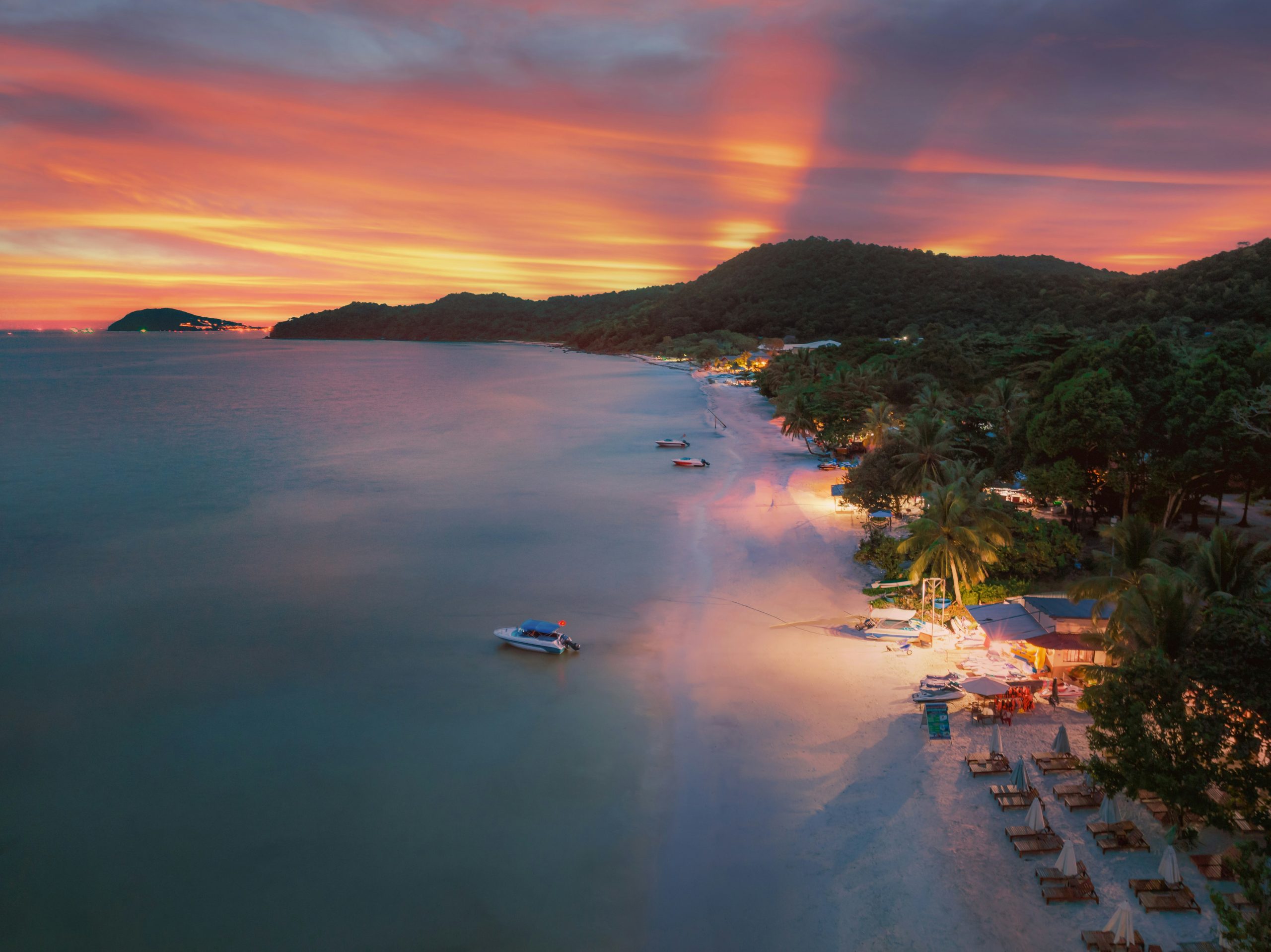
Back Beach is the city’s longest and most popular stretch of coastline, while Front Beach offers a more urban waterfront and beautiful sunset views. Beyond the beaches, travellers can explore the hills overlooking the city, visit Buddhist temples and discover the White Palace (Villa Blanche), a historic French colonial residence overlooking the sea.
Vũng Tàu is also an excellent place to experience southern coastal cuisine. Local specialities such as bánh khọt and fresh seafood add another dimension to a stay, making the destination suitable for travellers looking for a combination of relaxation, local culture and easy coastal exploration.
Cát Tiên National Park: Into the Southern Forests
For travellers looking to experience Vietnam’s natural landscapes, Cát Tiên National Park offers an opportunity to venture into one of the country’s important remaining areas of tropical forest.
The park is recognised as part of the Dong Nai UNESCO Biosphere Reserve and includes the Bàu Sấu wetlands, a Ramsar site known for its wetland ecosystems and biodiversity. It is also home to a wide variety of plant and animal species.
Walking through the forest, travelling along its waterways and exploring areas around Bàu Sấu provide a very different experience from Vietnam’s cities and coastal resorts. Depending on the season and itinerary, visitors can discover forest trails, wetlands, birdlife and the diverse ecosystems that make Cát Tiên an important natural area.
For travellers interested in wildlife and nature, Cát Tiên can be incorporated into a longer southern Vietnam journey alongside Ho Chi Minh City and the Mekong Delta.
Nature, Culture & Local Experiences
South Vietnam is particularly rewarding when the journey moves beyond the main attractions. Cycling through Mekong Delta villages, travelling by boat along narrow waterways, visiting local gardens, discovering regional food and meeting communities along the rivers all provide opportunities to experience the region at a slower pace.
The landscapes change considerably as you travel: fertile agricultural land around the Mekong gives way to coastal scenery around Vũng Tàu and tropical forests further inland. This variety makes it possible to create a journey that combines culture, nature, food and relaxation without travelling far from Ho Chi Minh City.
When to Travel
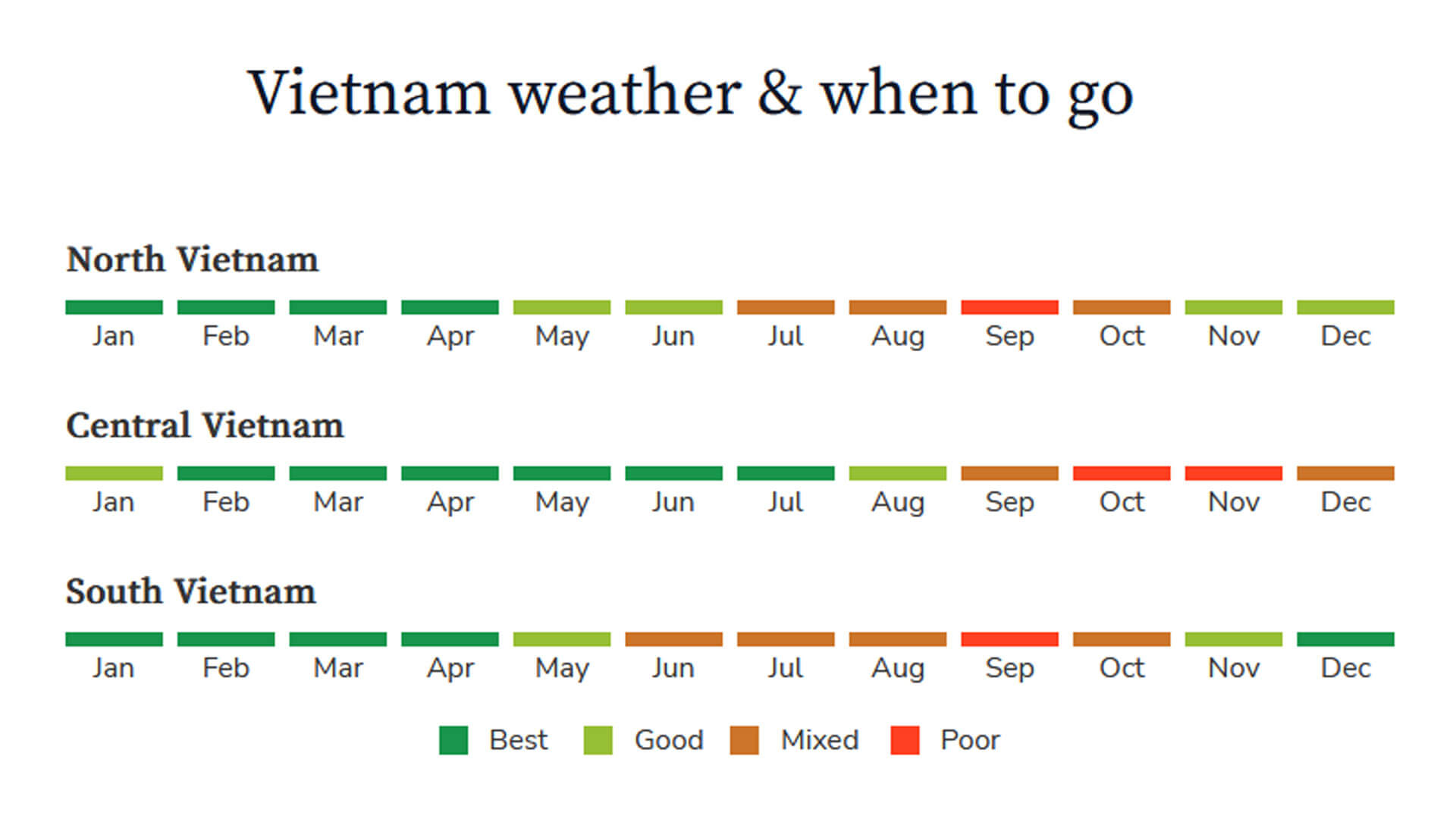
South Vietnam can be visited throughout the year, with a generally warm tropical climate and distinct dry and rainy periods. The best time depends on the experiences you want to include.
December to April: Drier Season
Generally the most comfortable period for exploring southern Vietnam, with sunnier conditions and less rainfall. This is a good time for cycling, boat journeys, sightseeing and outdoor activities across the Mekong Delta and Cát Tiên.
May to August: Green Season
The countryside becomes particularly lush, while tropical fruit is abundant in many parts of the Mekong Delta. Rain showers are more frequent, but they are often short and can be incorporated into a flexible itinerary.
September to November: High-Water Season
Higher water levels bring a distinctive character to parts of the Mekong Delta. Floating communities and waterways become particularly atmospheric, while the countryside takes on a lush seasonal appearance. Conditions vary depending on the year and location.
Best for: comfortable outdoor activities → December–April
Best for: lush landscapes and tropical fruit → May–August
Best for: seasonal Mekong landscapes → September–November
South Vietnam, Your Way
South Vietnam can be explored as a short extension from Ho Chi Minh City or as part of a longer journey through the country’s southern regions.
Whether you want to discover the flower gardens of Sa Đéc, explore the cultural diversity of Châu Đôc, escape to the coast around Vũng Tàu or venture into the forests of Cát Tiên, the region offers many ways to experience a quieter and more authentic side of southern Vietnam.
Viettourist can tailor the journey around your interests, combining cultural experiences, nature, local encounters and coastal escapes with Ho Chi Minh City and the Mekong Delta to create a seamless South Vietnam itinerary.