Thailand
Discover Thailand: Beyond the Land of Smiles
Thailand is a country of contrasts, where ancient temples and bustling cities, tropical islands and misty mountains, vibrant markets and refined hospitality come together. Beyond its famous beaches, Thailand offers a rich cultural journey shaped by centuries of history, distinctive traditions and some of Southeast Asia’s most celebrated cuisine.
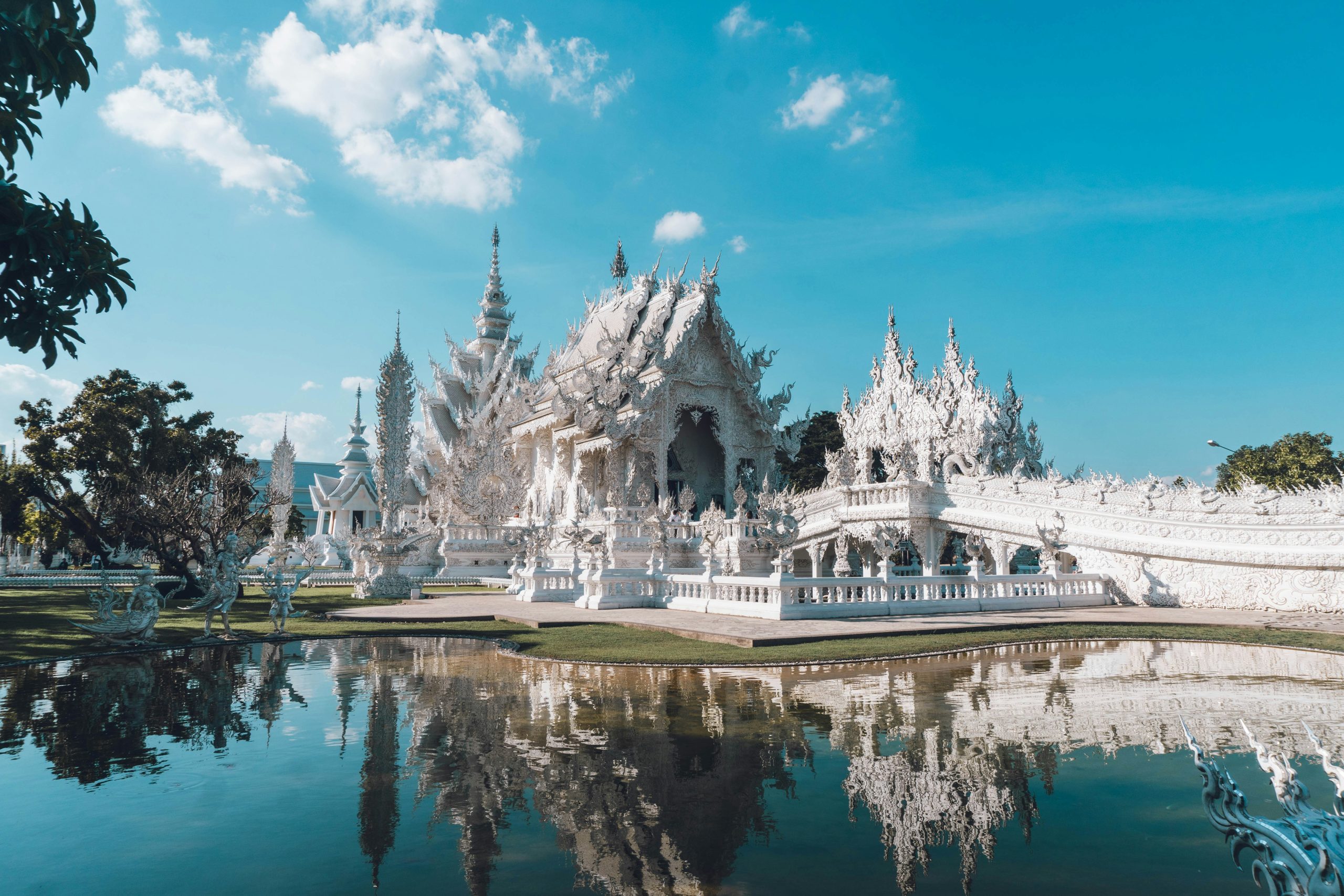
Begin in Bangkok, where ornate temples, riverside neighbourhoods and lively streets create an endlessly fascinating city. Travel north to discover the cultural heritage and mountain landscapes of Chiang Mai and the surrounding countryside, or head south towards tropical islands and coastal landscapes where days unfold at a slower pace.
Whether you are drawn to culture, nature, food, adventure or relaxation, Thailand offers countless ways to experience the country at your own rhythm: from iconic highlights to quieter places waiting to be discovered.
Sights
Map
Info
Places to Discover in Thailand
Bangkok
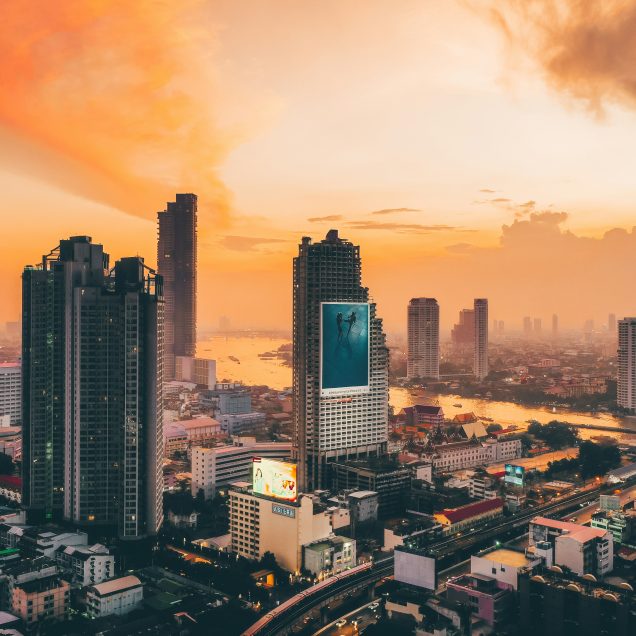
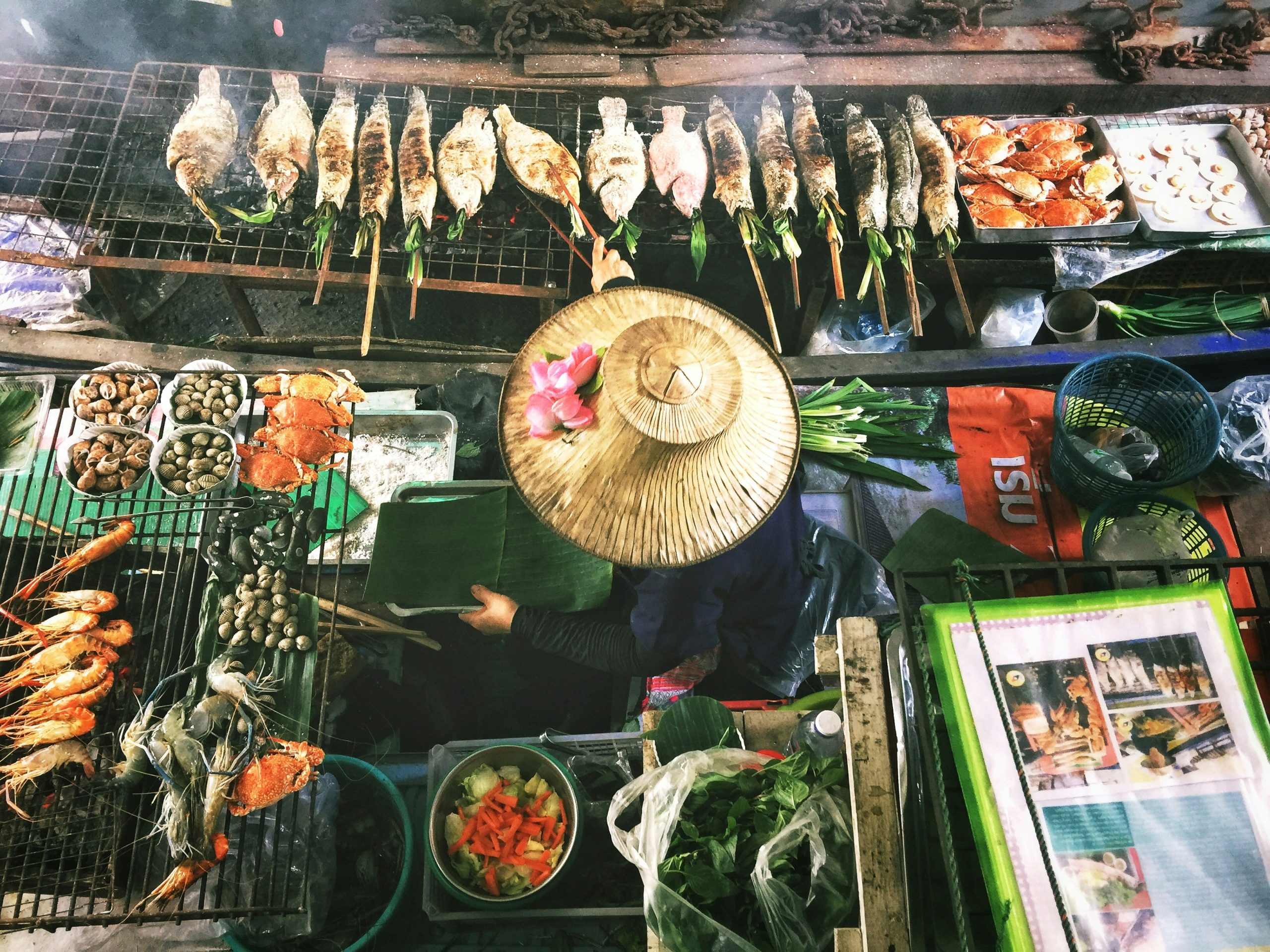
Thailand’s vibrant capital is a city of contrasts, where ornate temples, bustling markets, modern architecture and the Chao Phraya River come together. Discover the Grand Palace, visit Wat Pho and its famous Reclining Buddha, explore lively neighbourhoods and experience the city from the water. Bangkok is also a wonderful introduction to Thai cuisine, from street-food stalls to refined restaurants.
Chiang Mai & Northern Thailand
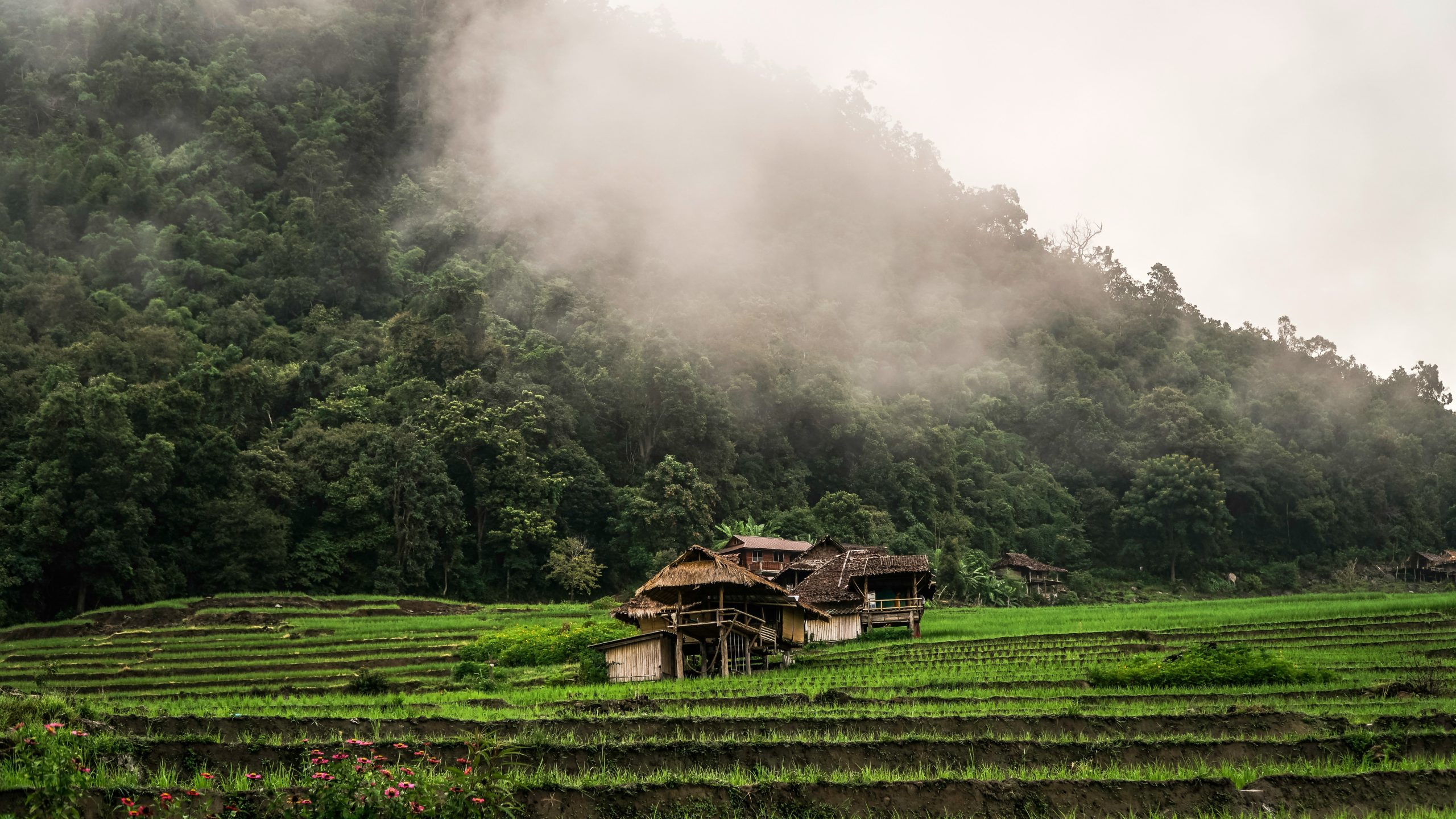
Surrounded by mountains and lush countryside, Chiang Mai offers a more relaxed perspective on Thailand. Explore ancient temples such as Wat Phra That Doi Suthep, wander through local markets and discover the traditions of northern Thailand. Beyond the city, villages, forests and mountain landscapes offer opportunities for hiking, cultural encounters and slower-paced experiences.
Ayutthaya
Once the capital of the Kingdom of Siam, Ayutthaya is one of Thailand’s most fascinating historical destinations. Its atmospheric ruins, ancient temples and Buddha statues scattered among the trees offer a glimpse into the country’s past. The former capital is particularly rewarding to explore by bicycle or with a local guide.
Sukhothai
The birthplace of the first great Thai kingdom, Sukhothai is home to an impressive historical park surrounded by peaceful landscapes. Ancient temples, elegant Buddha images and lotus-filled ponds create a very different atmosphere from Thailand’s larger cities and make Sukhothai ideal for travellers interested in history and culture.
Southern Thailand & the Islands
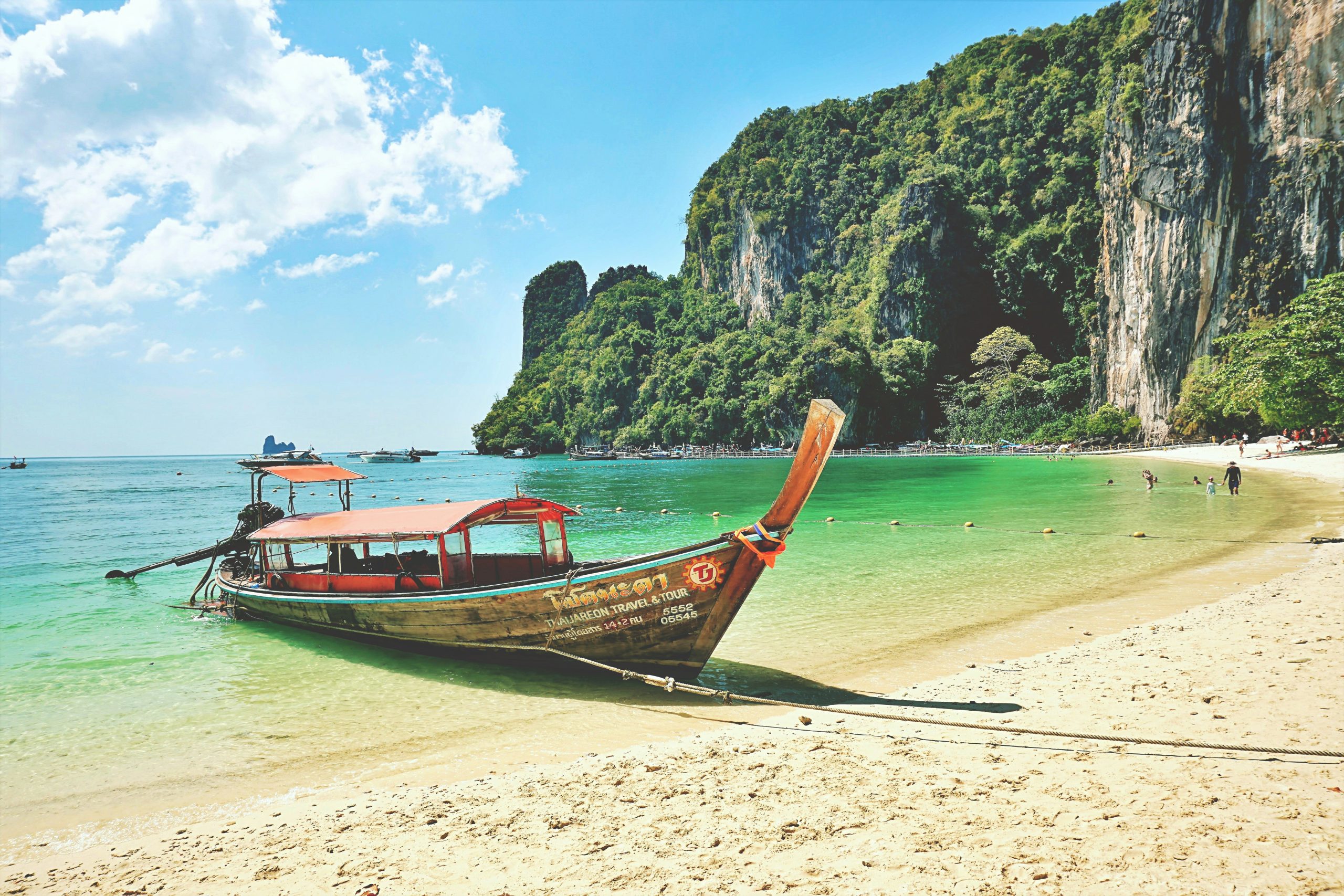
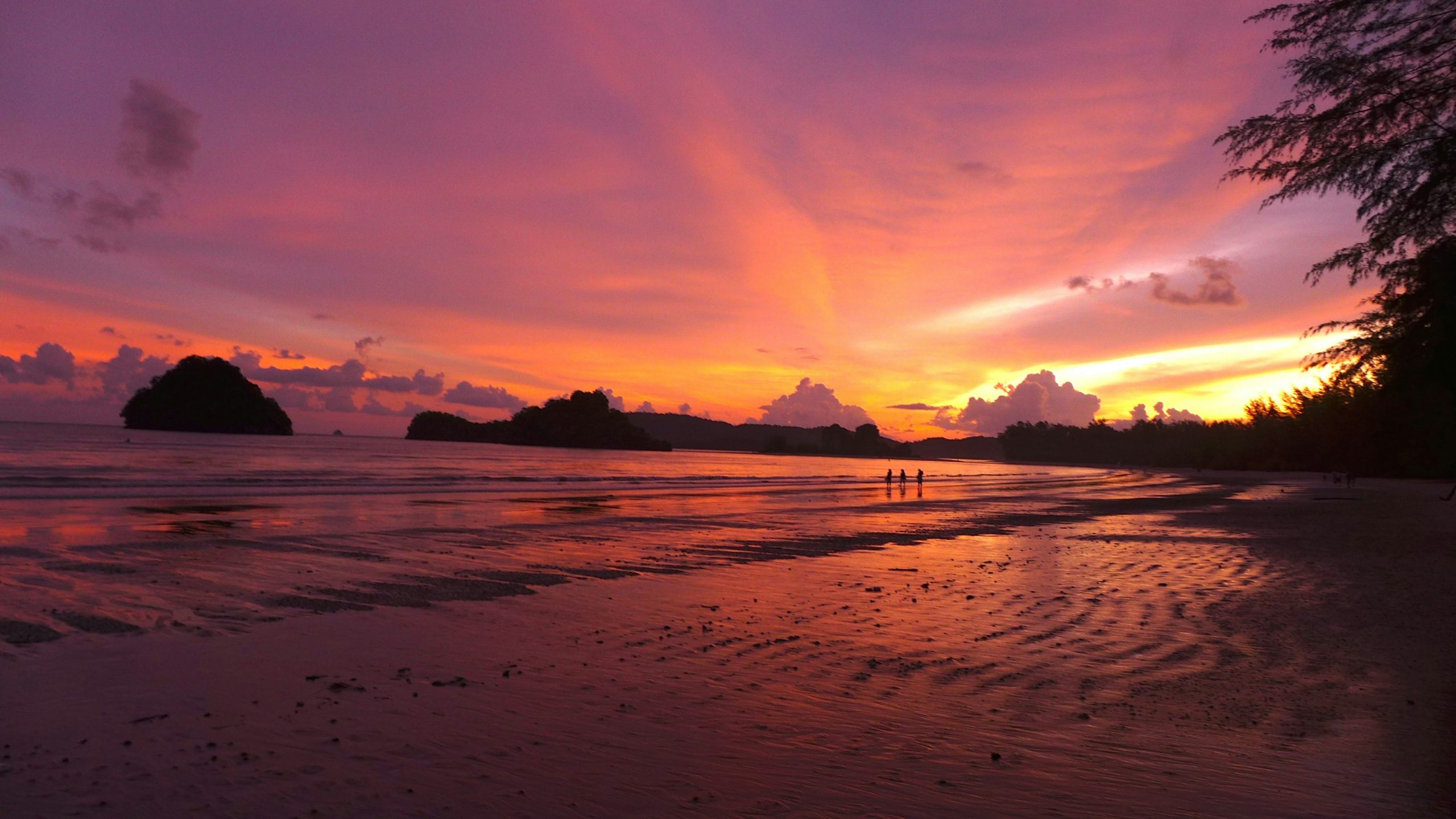
Thailand’s southern coastline is famous for its tropical landscapes, turquoise waters and spectacular islands. From the beaches of Phuket and the quieter shores of Koh Lanta to the limestone cliffs of the Andaman coast, the south offers countless ways to combine relaxation, nature and adventure. Boat trips, snorkelling, diving and island-hopping can easily be incorporated into a tailor-made journey.
Krabi & the Andaman Coast
With dramatic limestone cliffs rising from the sea, secluded beaches and lush islands, Krabi is one of southern Thailand’s most spectacular regions. Explore Railay, discover nearby islands by boat or simply enjoy the scenery at a slower pace. The region is particularly well suited to combining outdoor activities with time to relax.
Pai & the Northern Countryside
For travellers looking beyond Thailand’s classic highlights, Pai offers a peaceful escape among mountains, rice fields, waterfalls and hot springs. Its relaxed atmosphere and surrounding countryside provide an opportunity to experience a quieter side of northern Thailand.
When to Travel
Thailand can be visited throughout the year, although weather conditions vary between regions.
November to February is generally the coolest and driest period and is particularly comfortable for exploring cities, cultural sites and northern Thailand.
March to May is the hottest period, with higher temperatures across much of the country. It can still be an excellent time to travel, particularly when combining cultural experiences with time by the coast.
June to October is the wetter season in many parts of Thailand. Rainfall often comes in short, intense showers, while the countryside becomes particularly lush and green. Weather varies between coastlines, so the best region to visit depends on the type of journey you have in mind.
Practical Information
Currency: The official currency is the Thai Baht (THB). Cash remains useful for local markets, smaller restaurants and rural areas, while cards are widely accepted in hotels and established businesses.
Language: Thai is the official language. English is widely used in tourist areas, hotels and restaurants.
Getting Around: Thailand is easy to explore by domestic flight, train, private transfer, bus and boat. In cities, taxis, tuk-tuks and local public transport offer convenient ways to get around.
Visiting Temples: Visitors should dress respectfully when visiting temples and religious sites, with shoulders and knees covered. Shoes are normally removed before entering temple buildings.