Vietnam Off the Beaten Track
Discover Vietnam Off the Beaten Track: Beyond the Classic Journey
Vietnam has much more to offer than its famous cities and iconic landmarks. Venture beyond the classic routes and discover a quieter, more intimate side of the country, where dramatic landscapes, traditional villages and everyday local life become part of the journey.
From the rugged mountains of the north to the peaceful countryside of Central Vietnam and the waterways of the Mekong Delta, travelling off the beaten track reveals a Vietnam shaped by nature, traditions and communities. Meet local people, explore remote landscapes, cycle through rural villages, discover regional food and experience places where daily life moves at a different pace.
There is no single way to explore Vietnam beyond the usual itinerary. Whether you want to venture into the mountains, discover hidden cultural treasures, travel through rural landscapes or simply spend more time away from the crowds, a tailor-made journey allows you to experience Vietnam in your own way.
For travellers looking for authentic encounters, lesser-known places and a deeper connection with Vietnam, the road less travelled can become the most memorable part of the journey.
Sights
Map
Info
Places to Discover Beyond the Classic Routes
Northern Vietnam: Mountains, Villages & Living Cultures
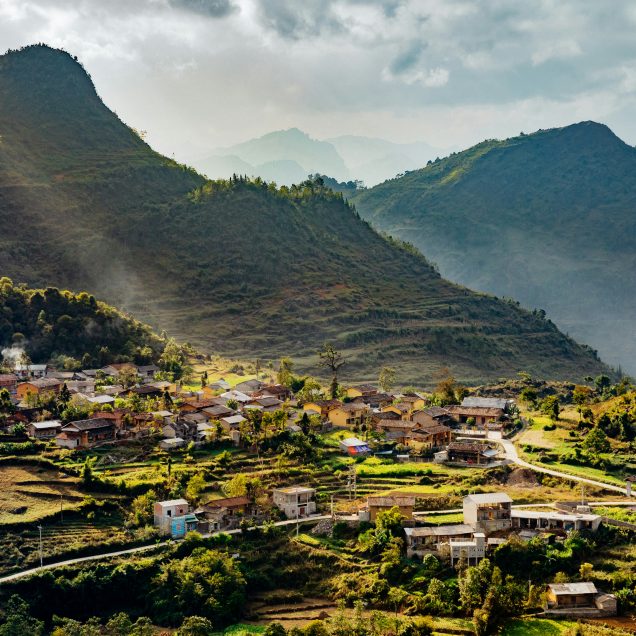
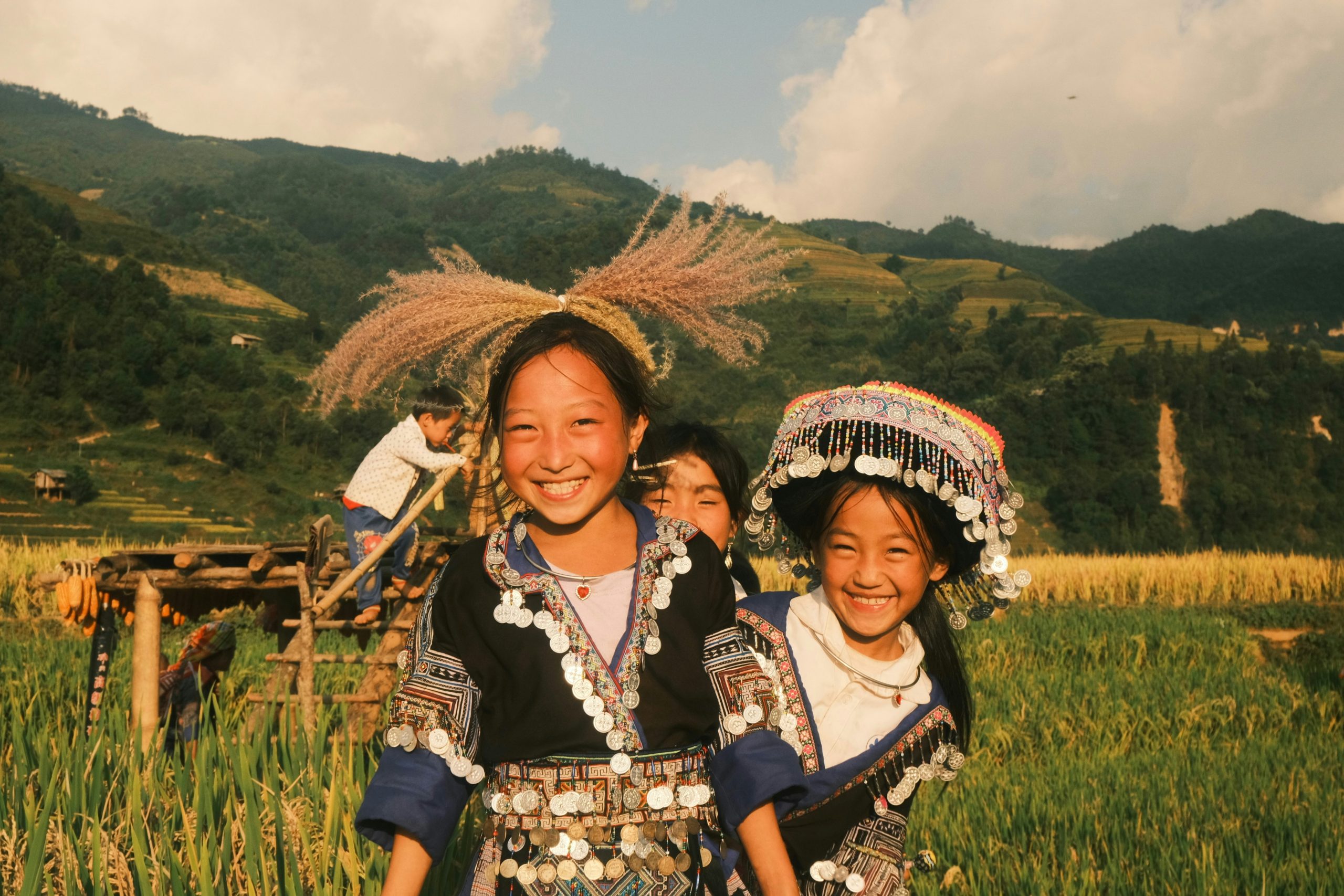
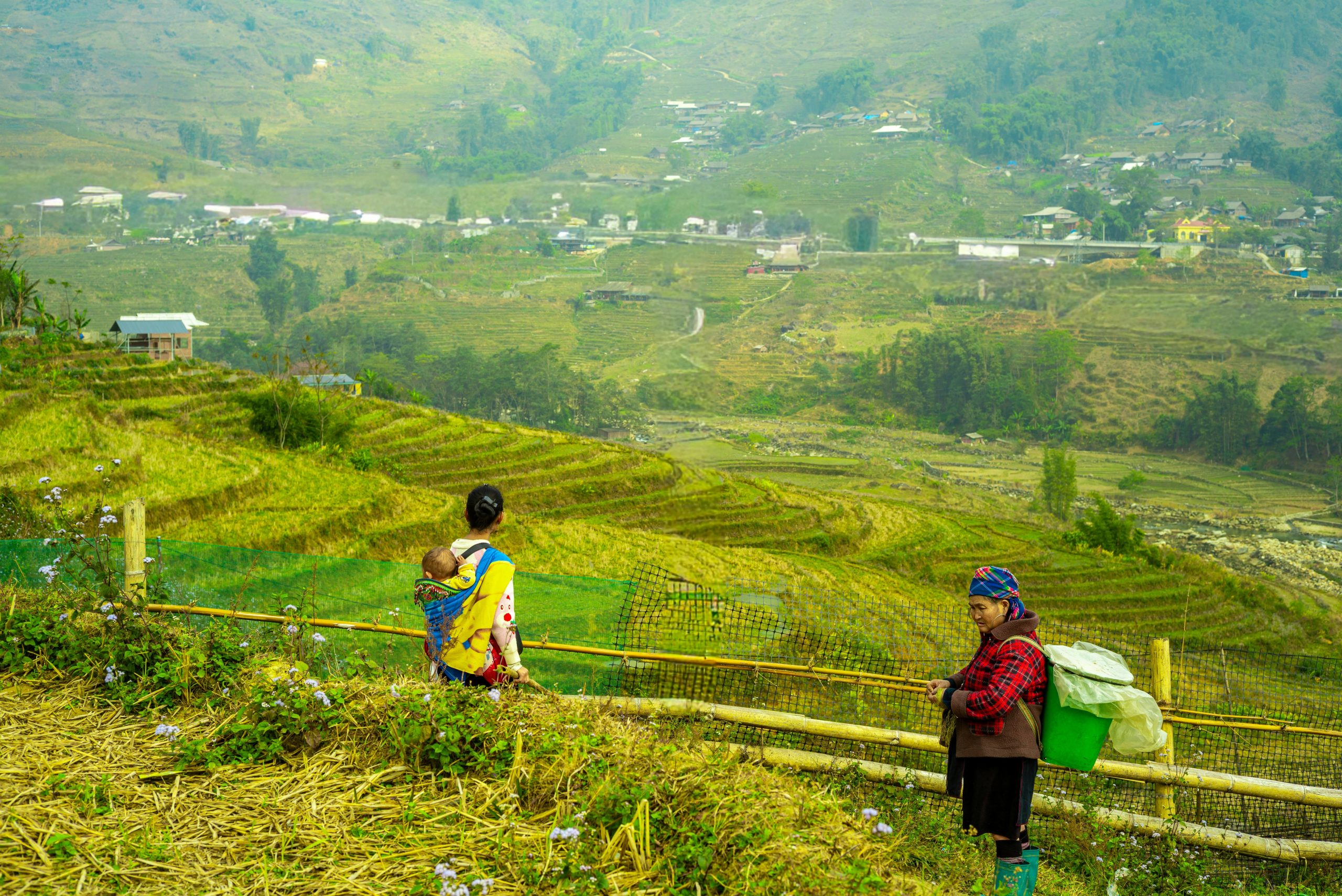
The mountains of northern Vietnam offer some of the country’s most rewarding journeys for travellers willing to venture further. In places such as Ha Giang, Cao Bang and the northern highlands, winding mountain roads lead through dramatic valleys, rice terraces and remote villages. Meet ethnic minority communities, discover traditional ways of life and experience landscapes that change with every turn of the road.
Rural Vietnam: A Slower Way of Travelling
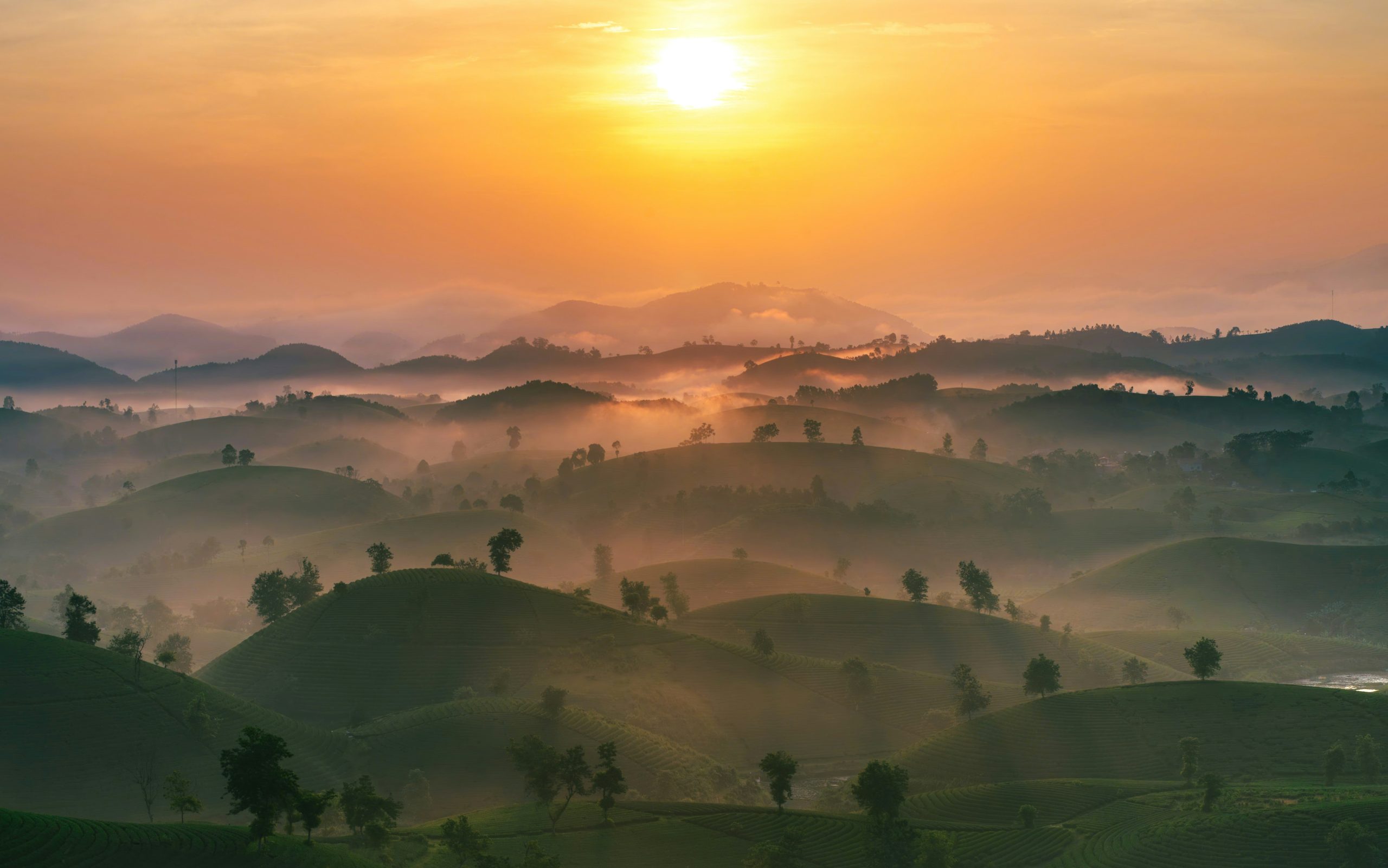
Away from the main cities, Vietnam reveals itself through rice fields, farming communities, craft villages and quiet countryside roads. Cycle between villages, visit local artisans, join a family for a meal or simply take time to observe everyday life. These encounters offer a more personal understanding of the country and can be woven naturally into a tailor-made itinerary.
Central Vietnam: Nature Beyond the Heritage Sites
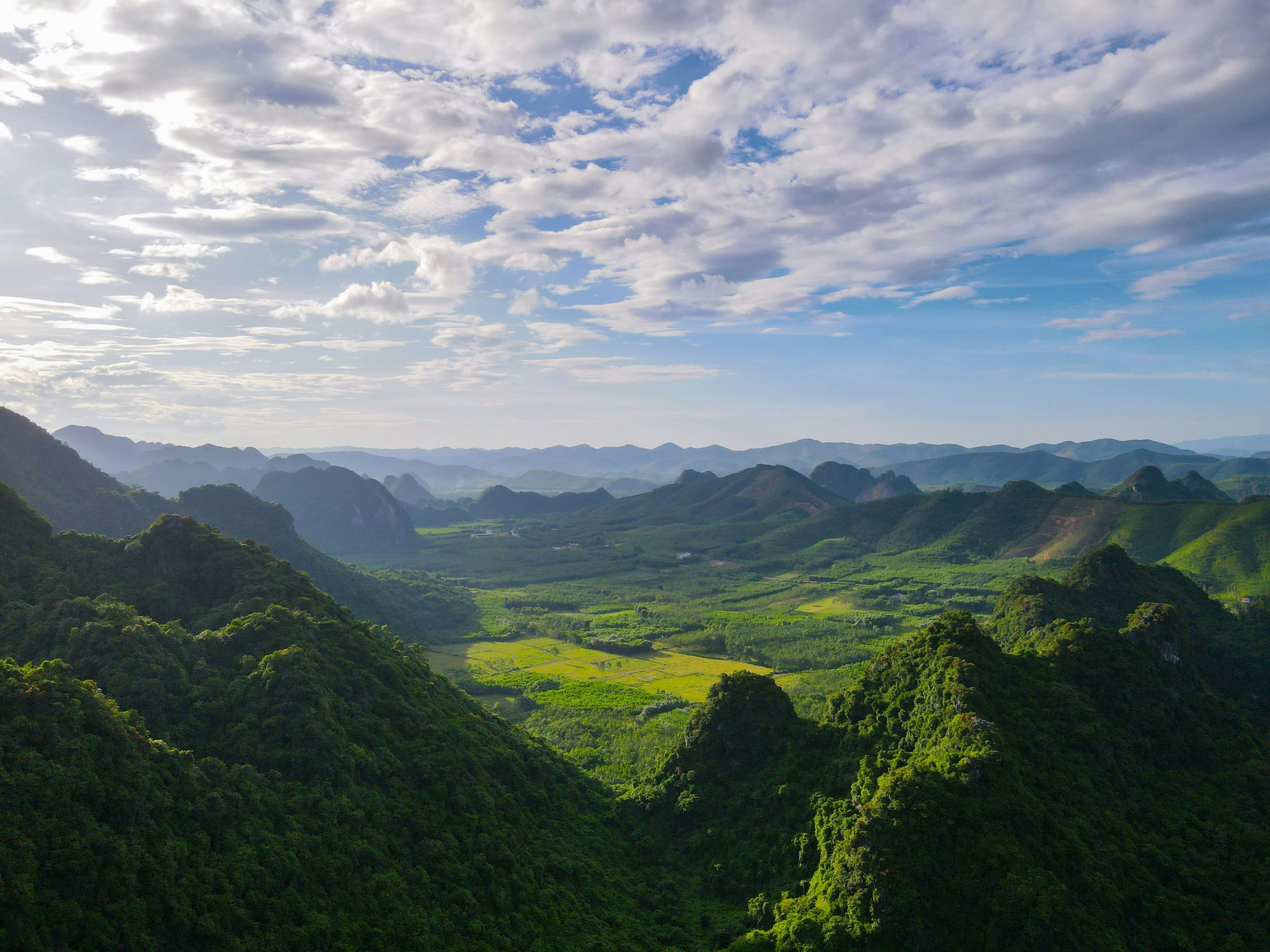
Central Vietnam is more than Hue, Hoi An and Da Nang. Venture further to discover Phong Nha, where limestone mountains, caves, rivers and lush forests create spectacular landscapes, or explore lesser-known rural areas where traditional villages and agricultural life continue away from the main tourist routes. For active travellers, the region offers opportunities for trekking, cycling, kayaking and exploring natural environments.
The Mekong Delta: Life Along the Waterways
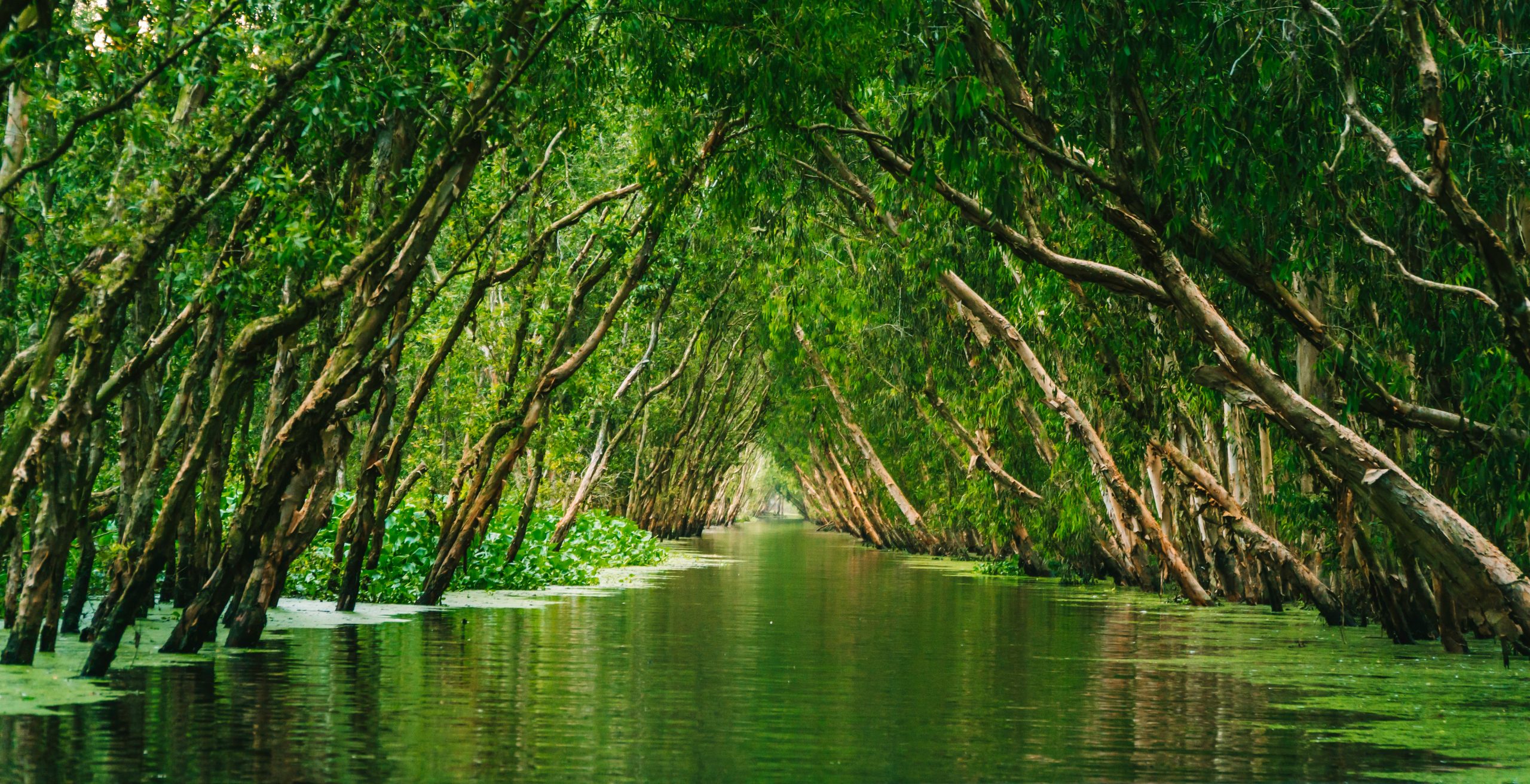
In southern Vietnam, the Mekong Delta unfolds as a landscape of rivers, canals, rice fields and fruit orchards. Explore quieter waterways by small boat, visit local farms and villages, discover traditional crafts or experience the rhythm of communities whose lives remain closely connected to the river. Places such as Tra Su Cajuput Forest offer another perspective on the region, where waterways wind through lush wetlands and towering cajuput trees.
Local Experiences & Authentic Encounters
Travelling off the beaten track is not simply about visiting places that appear less frequently on a map. It is about how you experience them. Share a meal with a local family, learn about traditional crafts, cycle through the countryside, explore a market with a guide or stay overnight in a village. These experiences can transform a journey from sightseeing into a genuine connection with Vietnam.
Hidden Landscapes & Tailor-Made Journeys
There is no single route through Vietnam’s lesser-known destinations. Combine remote mountain landscapes with cultural encounters, add a few days of countryside exploration to a classic itinerary or venture into regions that are rarely visited by international travellers. With a tailor-made journey, the pace, destinations and experiences can be shaped around what you want to discover.
When to Travel
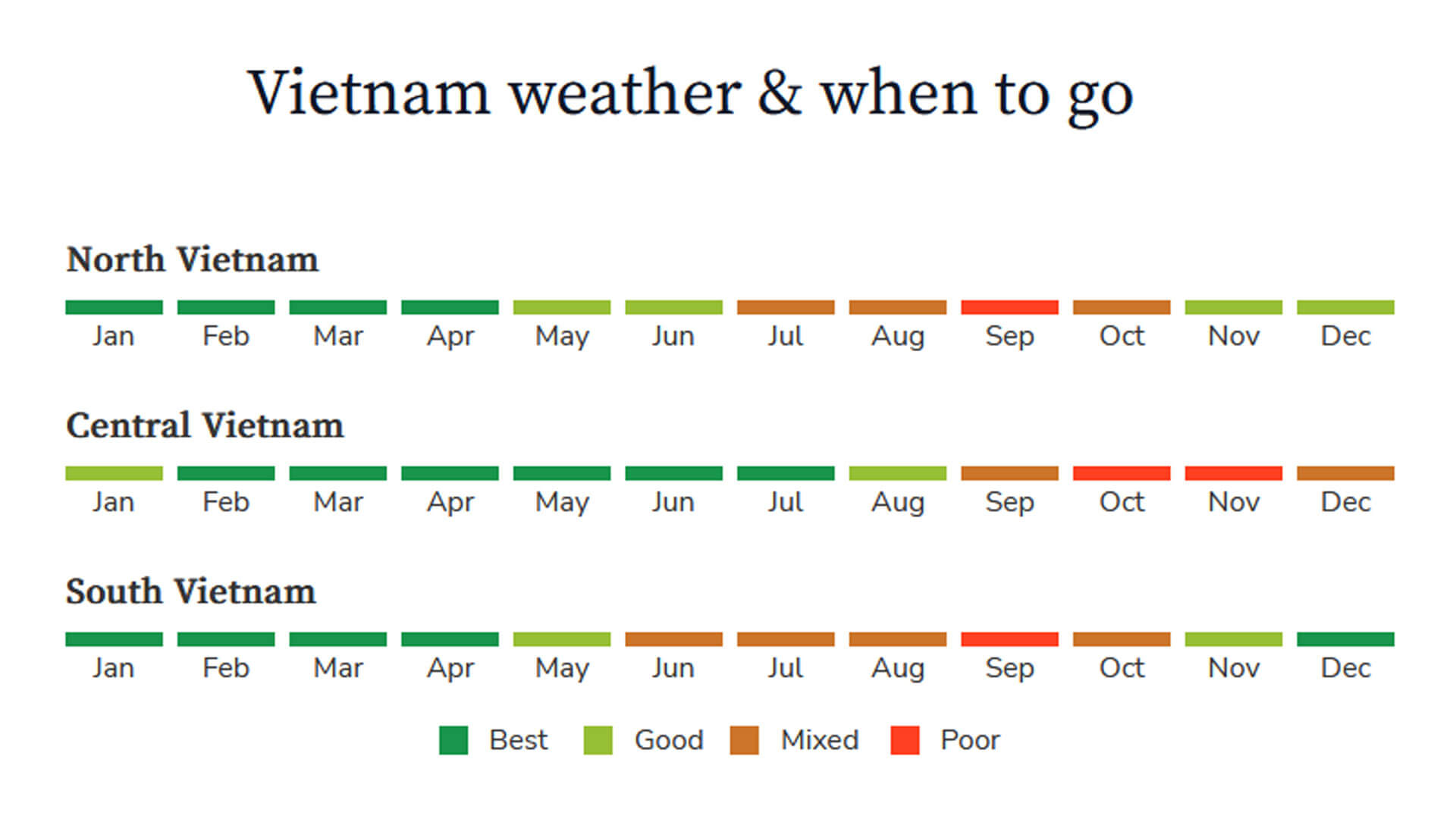
Vietnam stretches from north to south, so its climate varies considerably between regions. This makes it possible to travel off the beaten track throughout the year, depending on where you want to go.
October to April is generally a particularly good period for exploring northern and central Vietnam, with more comfortable temperatures and favourable conditions for mountain journeys, cycling and outdoor activities.
May to August brings warmer weather and greener landscapes across much of the country. It can be an excellent time for travellers who enjoy lush countryside and outdoor experiences, although temperatures can be high.
September to December can bring more changeable conditions, particularly in Central Vietnam, where rainfall can be heavier. Northern landscapes become particularly atmospheric during autumn, while the Mekong Delta remains rewarding to explore.