Cambodia

Discover Cambodia: Where Ancient Wonders Meet Everyday Life

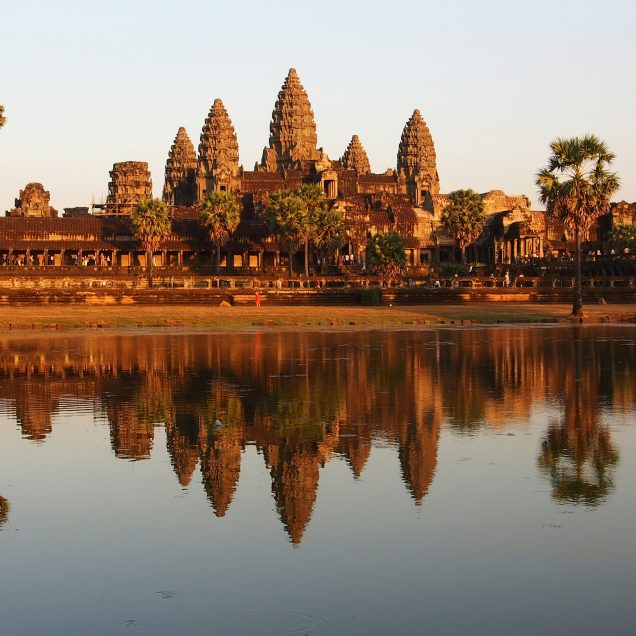
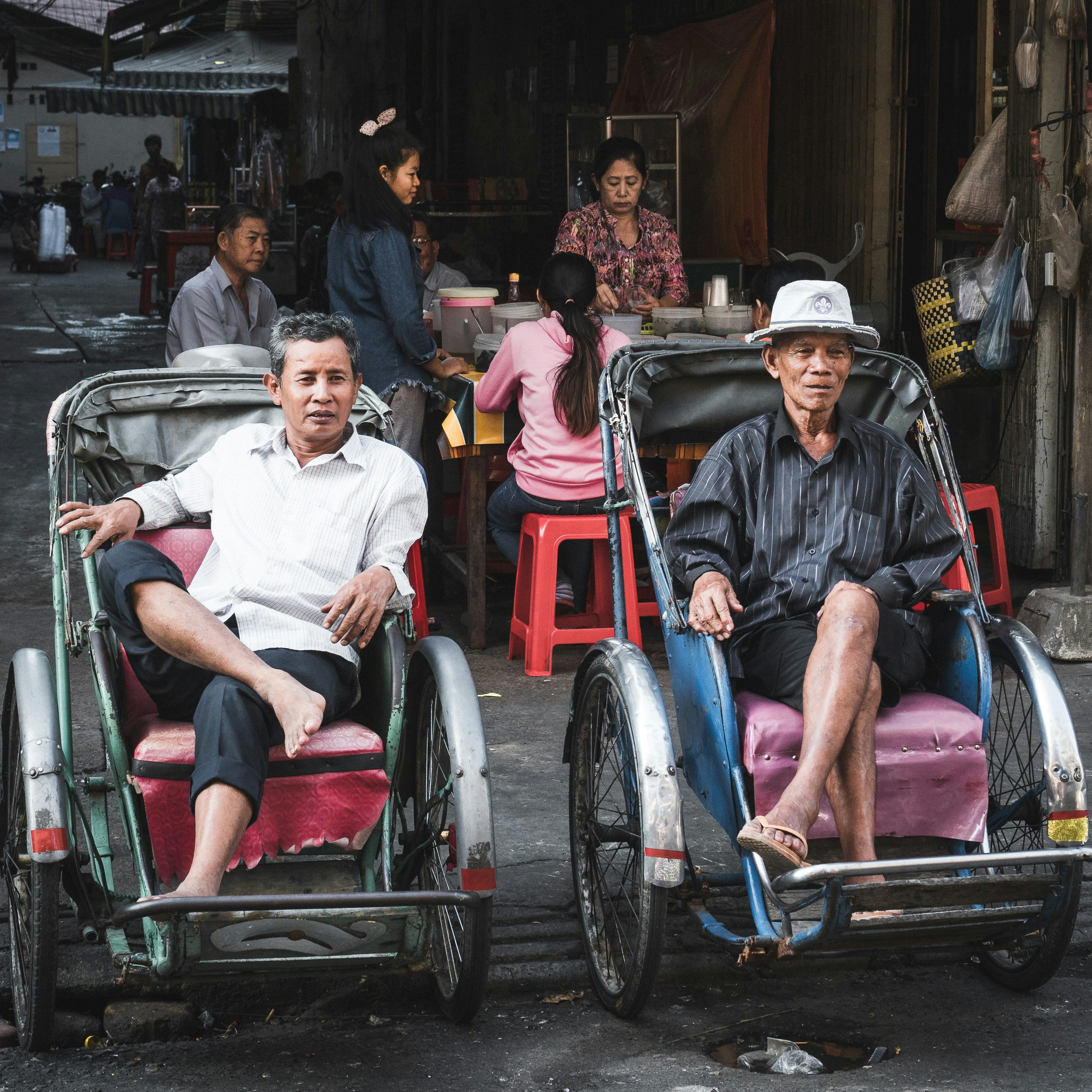
Cambodia is a country where the past is never far away. From the magnificent temples of Angkor rising through the jungle to quiet villages, floating communities and lively local markets, Cambodia invites you to slow down and discover a culture shaped by centuries of history, spirituality and tradition.

At the heart of the journey is Siem Reap and Angkor, where ancient temples reveal stories carved into stone and sunrise over Angkor Wat creates a moment you will remember long after leaving. But Cambodia is much more than its famous temples. Travel beyond Angkor to discover the warmth of Cambodian life, explore the countryside, meet local communities and experience a slower, more authentic side of the country.

Whether you are drawn by history, culture, nature, adventure or simply the desire to experience somewhere different, Cambodia offers countless ways to create a journey that feels personal and unforgettable.

Map

Info

Places to Discover in Cambodia

Angkor Wat & the Temples of Angkor
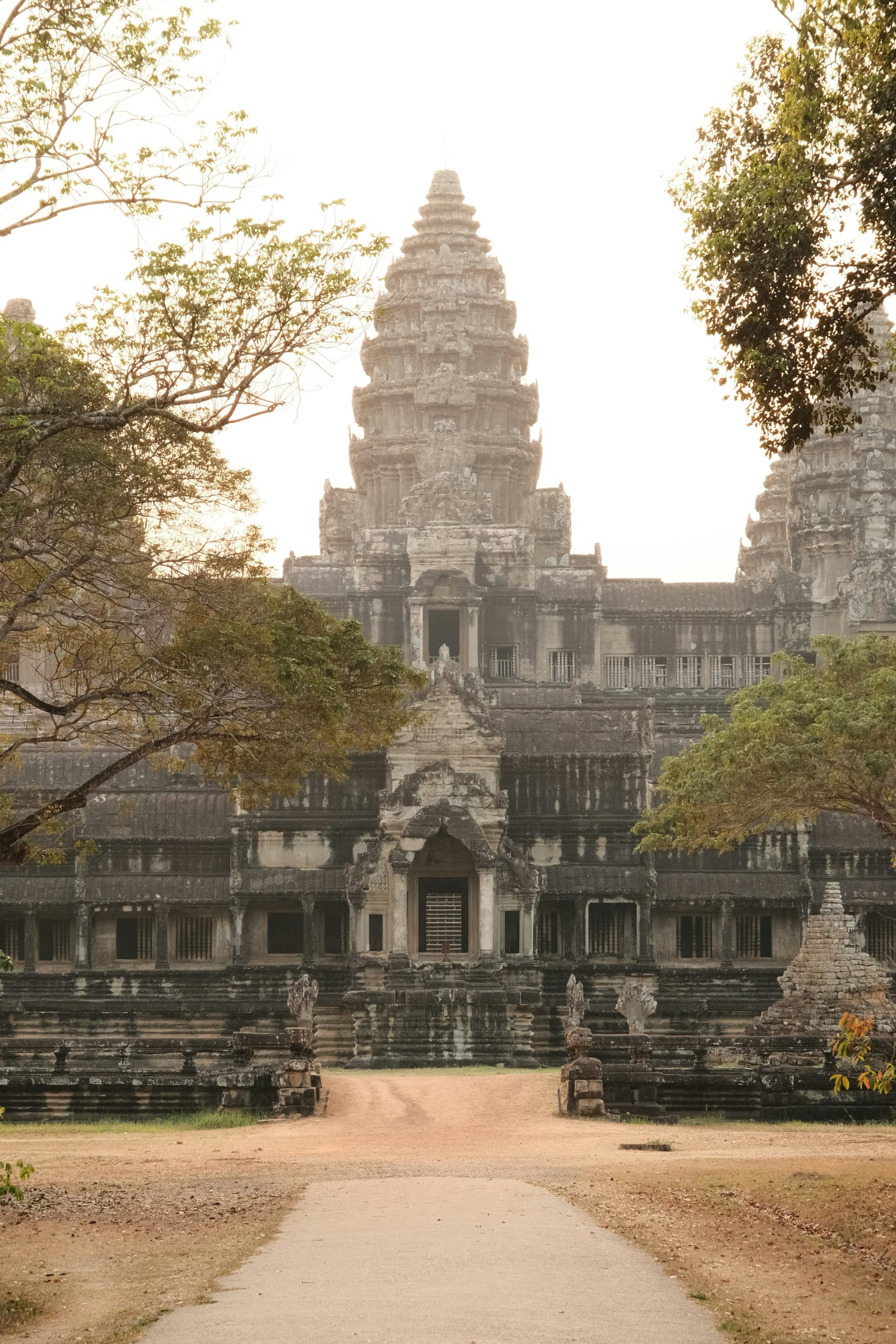
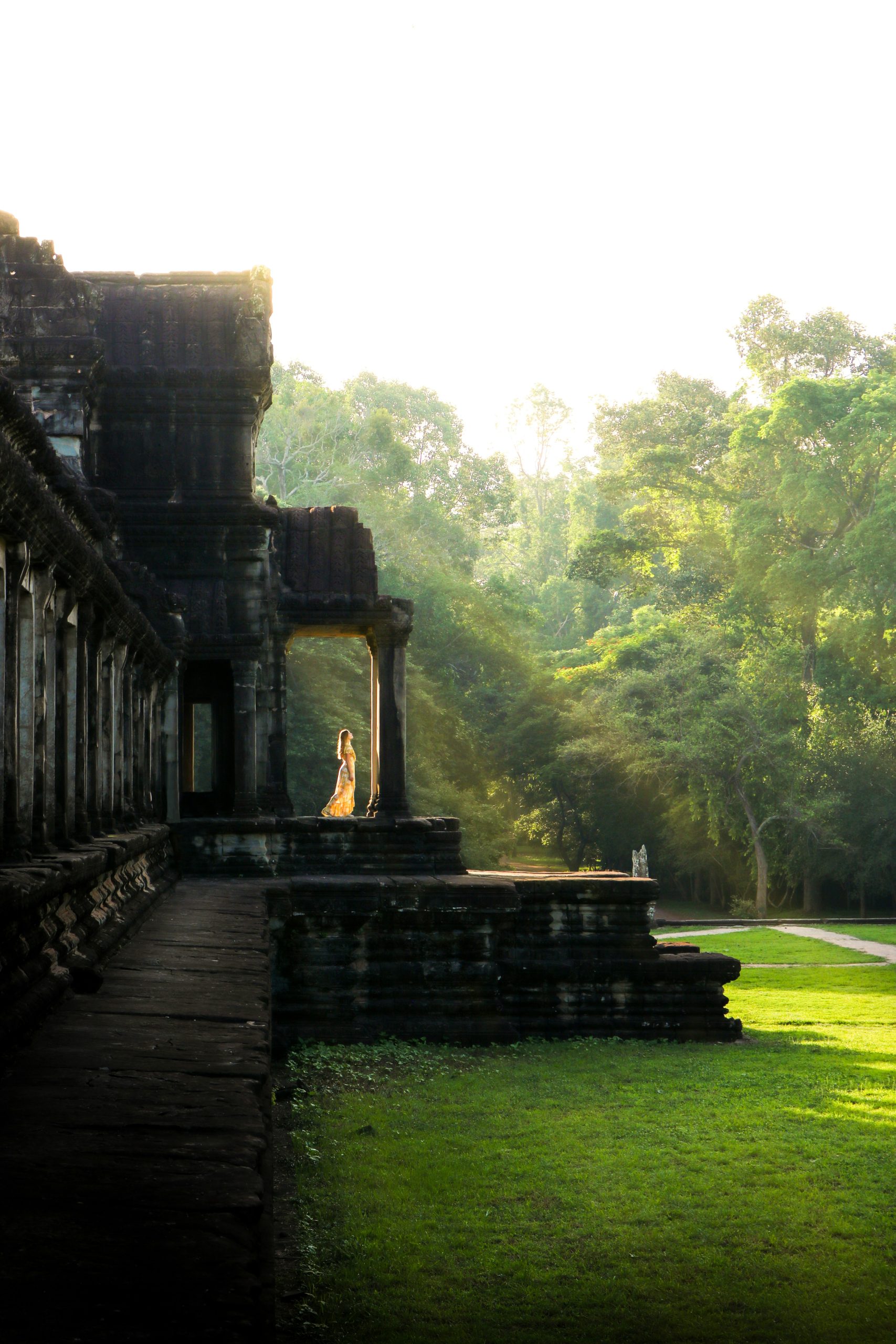
The extraordinary temples of Angkor are the heart of any journey to Cambodia. Explore Angkor Wat, the Bayon with its enigmatic stone faces, and atmospheric Ta Prohm, where ancient ruins and jungle seem to grow together. Beyond the famous landmarks, countless smaller temples invite you to slow down and discover the stories carved into the stones.

Siem Reap
More than a gateway to Angkor, Siem Reap is a lively destination in its own right, with creative spaces, local markets, Khmer cuisine and opportunities to experience Cambodian culture at a slower pace. It is an ideal base from which to explore the temples and surrounding countryside.

Phnom Penh
Cambodia’s capital offers a fascinating contrast to the serenity of Angkor. Discover the Royal Palace and Silver Pagoda, wander along the Mekong and explore the city’s cafés, markets and vibrant streets. Phnom Penh also offers important places to understand Cambodia’s more recent history.

Tonlé Sap Lake
Life around Tonlé Sap follows the rhythm of the water. A visit to the lake and its floating or stilted communities offers a glimpse into a way of life closely connected to fishing, changing water levels and the surrounding landscape.

Cambodia’s Coast & Islands
For a change of pace, head south towards Cambodia’s tropical coastline. White-sand beaches, turquoise waters and quieter islands such as Koh Rong and Koh Rong Samloem offer the perfect setting to unwind after exploring temples and cities.

Battambang & the Countryside
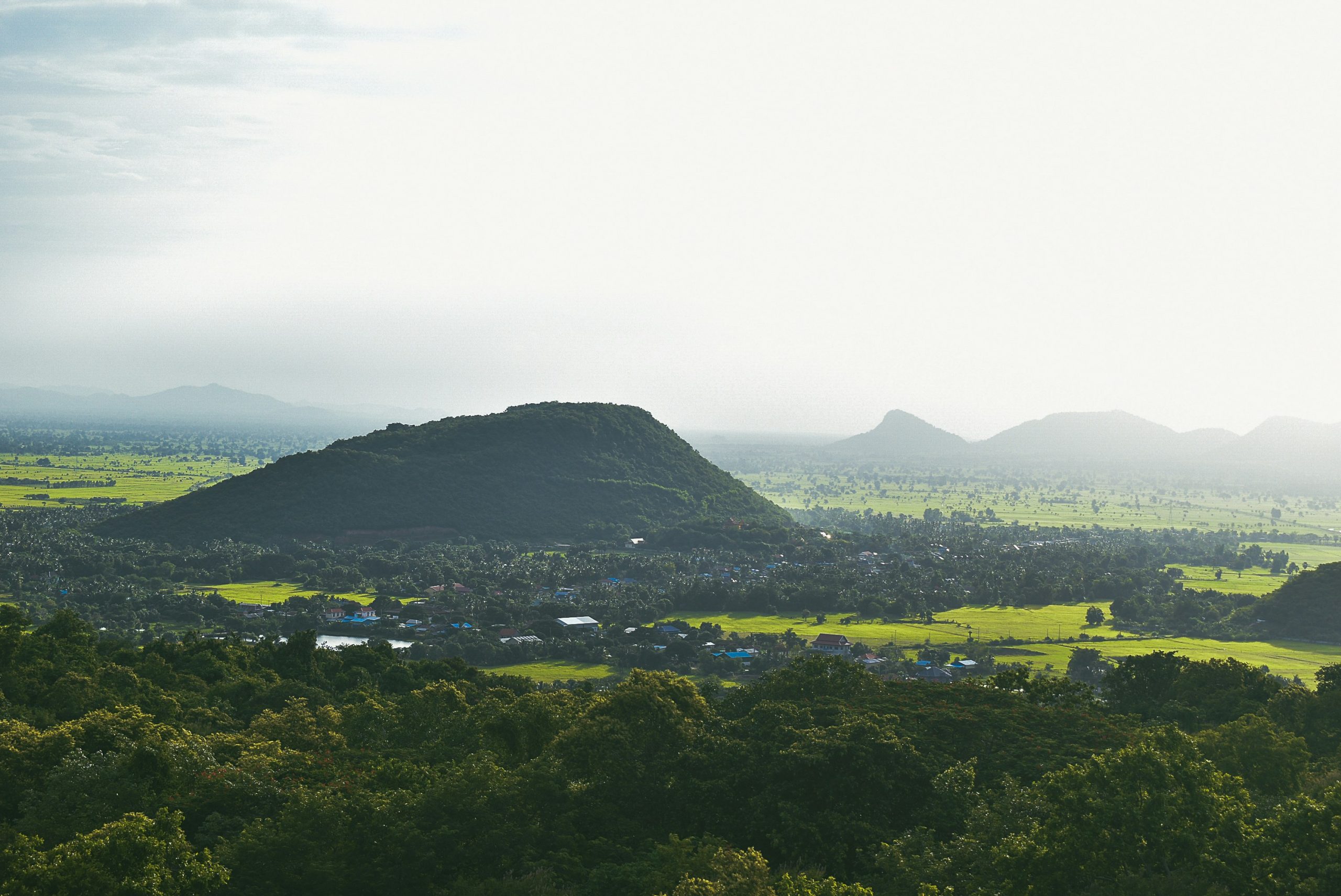
For travellers looking beyond the classic highlights, Battambang offers a more intimate side of Cambodia. Discover French colonial architecture, rural landscapes, traditional villages and the famous bamboo train while experiencing the slower rhythm of life outside the main tourist centres.

When to Travel

Cambodia can be enjoyed throughout the year, with each season offering a different experience.

November to March is generally the coolest and driest period, making it particularly comfortable for exploring temples, cities and the countryside.

April to June brings hotter temperatures and is ideal for travellers who don’t mind the heat and want to combine cultural exploration with time by the coast.

July to October is the greener, wetter season. Short rain showers can transform the countryside into vibrant shades of green, while fewer visitors can mean a quieter experience at some of the country’s highlights.

Practical Information

Currency: The Cambodian Riel (KHR) is the official currency, while US dollars are also widely used in many tourist areas.

Language: Khmer is the official language. English is commonly spoken in hotels, restaurants and tourist areas.

Getting Around: Travel between Cambodia’s main destinations is possible by road, with buses, private transfers and domestic flights available depending on the route. Tuk-tuks are a convenient and enjoyable way to explore cities and towns.

Visiting Temples: When visiting temples and religious sites, modest clothing covering the shoulders and knees is recommended and may be required at certain sites.

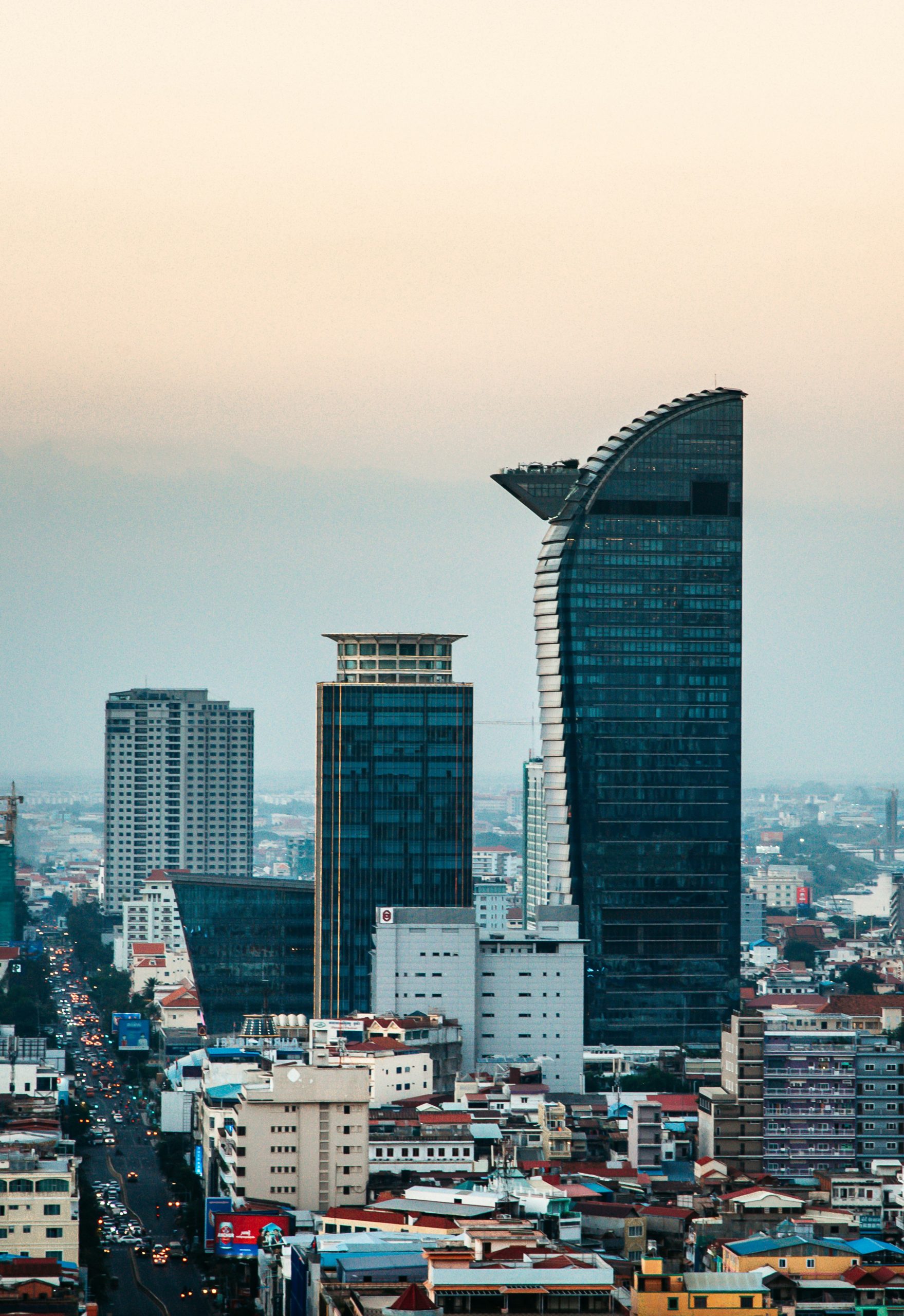
Modern and historic buildings in Ho Chi Minh City, Vietnam Previous South Vietnam

Practical Information

  • Best seasons November to March
  • Language Khmer
  • Currency Cambodian Riel (KHR)
  • Time zone UTC+7
  • Getting around Private transfers, buses, domestic flights and tuk-tuks
  • Visa Tourist visa required for most nationalities; e-Visa available

The best time to visit Vietnam

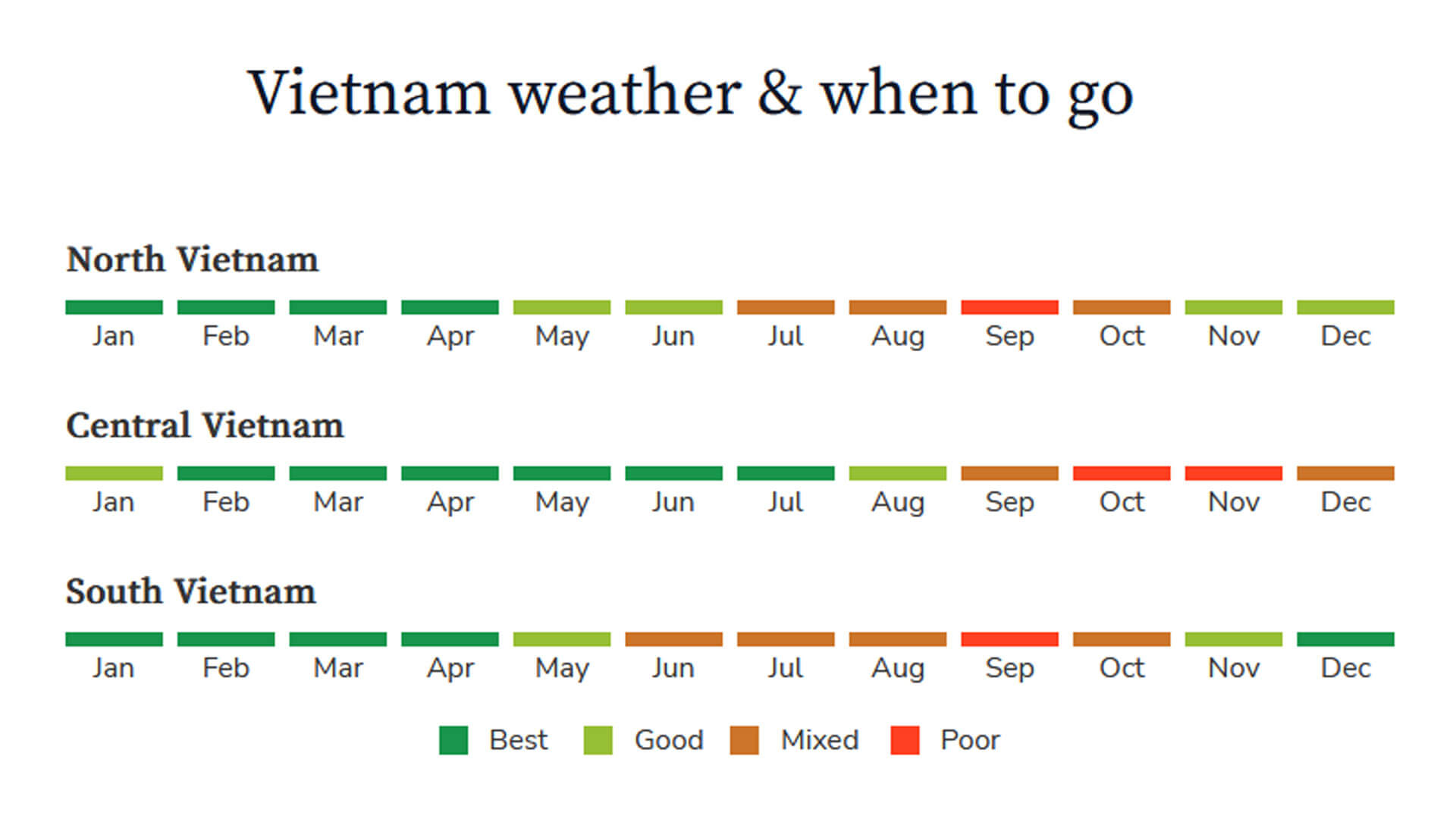
If you want to visit Vietnam, you might be wondering what the weather is like in different months. Well, it depends on where you go and what you want to do. Vietnam has a diverse climate, so there is no one-size-fits-all answer. But don’t worry, I’ll give you a general overview of what to expect in each month, based on the average weather patterns. You can also check out the holidays and events that happen in each month in Vietnam.

January
This is a good month to enjoy the dry and pleasant weather in most parts of Vietnam, except for the north. The north can get quite cold, especially in the morning and evening. You might need some warm clothes and jackets if you go to places like Sapa and Ha Giang. If you’re looking for some beach time, head to Phu Quoc, where the sun is always shining. Just be aware that Halong Bay can be foggy this month, so you might not see the best views.

February
The weather gets warmer in most of Vietnam, except for the north, which still feels chilly. This is a high season for tourism, so expect more crowds and higher prices. But it’s also a great time to experience the TET festival, which is the Vietnamese New Year. It’s a big celebration with lots of food, fireworks, and fun. Just keep in mind that many shops, museums, and restaurants are closed for about a week during TET.

March
This is one of the best months to visit Vietnam, as the weather is fantastic everywhere. You have more options for beach destinations, such as Mui Ne, Con Dao, and Nha Trang. Hoi An is also a lovely place to enjoy the beach and the old town. This is also a great time to visit Halong Bay, which should have clear blue skies and no fog.

April
Like March, April is another great month to visit Vietnam, with amazing weather everywhere. This is also a high season for tourism, so be prepared for more crowds and higher prices.

May
The weather gets hotter in May, but it’s still a good time to visit Vietnam before the rainy season starts. You might get some rain in the north and south by the end of the month, but nothing too serious. You can also take advantage of the lower prices after the high season.

June
You might get some rain in the north and south of Vietnam, but it’s usually not too bad. You can still enjoy the sunny days in Hanoi, Mai Chau, and Halong Bay. The best place to be is in central Vietnam, where the weather is still dry and sunny. You can relax on the beaches of Lang Co and Hoi An, or explore the countryside and culture. This is also a good time to travel before the school holidays start next month.

July
Central Vietnam is still the best place to be in July, with lots of sunshine and little rain. The rest of Vietnam might have some showers, but they won’t ruin your fun.

August
Central Vietnam is still a good place to visit in August, although you might get some more rain by the end of the month. The rest of Vietnam might also have some rain, but it’s not too bad. You can also enjoy some discounts on flights and hotels during the low season.

September
This is a good month to catch the last sun on the central coast of Vietnam before it gets too rainy. The north and south are usually very wet this month, but you can still find some bargains on hotels.

October
The weather gets better in the north of Vietnam in October, and this is a great time to visit places like Sapa or Ha Giang. You can admire the stunning scenery of rice terraces, valleys, and mountains that change color with the seasons. You can also hike, bike, or stay with the local people who live there. This is not a good month for beach lovers, but Vietnam has so much more to offer than just beaches. And traveling in October means you avoid the crowds.

November
The high season starts again in November, as many people come to Vietnam for the cooler winter months in the north. By the end of the month, most of Vietnam is hot and dry again, except for the central region, which might have some rain.

December
There is still a chance of rain in the central part of Vietnam in December; however, most of Vietnam is hot and dry again. The beach season starts again on Phu Quoc island. You should book early for Christmas time, as it can get very busy.