


Experience the essence of Ha Giang in just 2 days! Ride through breathtaking mountain passes, visit ethnic minority villages, and stay in authentic local homestays — a short yet unforgettable northern Vietnam adventure.
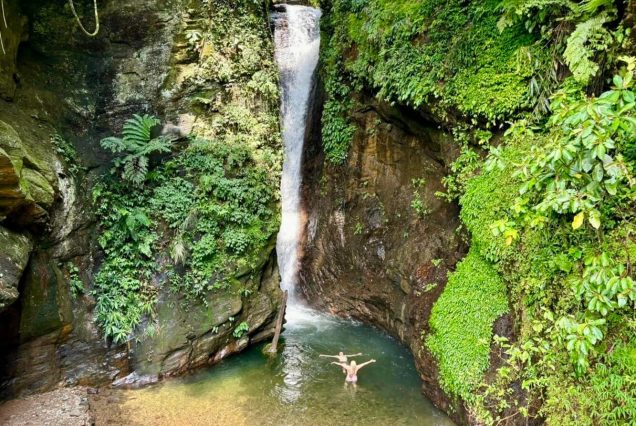


Got only two days but still want to experience the breathtaking Ha Giang Loop? This express adventure is designed for travelers short on time yet eager to capture the essence of Vietnam’s most scenic region.
Da sky-high passes and peaceful valleys to ethnic villages and authentic homestays, this journey delivers the best highlights of Ha Giang in just two days. Whether you choose to ride with an experienced Easy Rider, self-drive, or travel by private car, your trip will be safe, authentic, and unforgettable.
Perfect for those seeking a balance between adventure, comfort, and local culture, our 2-Day Ha Giang Loop tour guarantees you’ll fall in love with northern Vietnam’s raw beauty.
Discover the first wonders of the legendary Ha Giang Loop — a land where clouds kiss mountain peaks and time seems to stand still.
Your adventure begins after breakfast at Lila Hostel in Ha Giang City, where your friendly Easy Rider or guide welcomes you with a warm smile and a quick briefing before the road unfolds ahead.
Soon, the scent of mountain air fills your lungs as you climb the Bac Sum Pass, a serpentine road coiling gracefully around green slopes. Stop at Quan Ba Heaven Gate for a breathtaking view over Tam Son Town and the famous Twin Mountains, whose soft, rounded shapes rest gently in the mist.
A short drive leads you to Nam Dam Village, a peaceful hamlet of the Dao ethnic people, known for their earth-rammed houses and deep respect for nature. Here, life moves at its own rhythm — women weave, men work in the terraced fields, and children play under the old plum trees.
Continue through Linen Weaving Village, where H’Mong women transform hemp into beautiful fabrics using age-old techniques passed down for generations. The scent of indigo lingers in the air, a symbol of patience and craft.
After a local lunch in Yen Minh Town, enter the majestic realm of the Dong Van Karst Plateau UNESCO Global Geopark — a world of rocky mountains, deep valleys, and winding roads that seem to touch the sky.
The road climbs toward Tham Ma Pass, once used to test the strength of horses. Each turn reveals another sweeping panorama. You’ll glide through Pho Cao Valley, dotted with ancient stone fences and blooming buckwheat fields, before reaching Lao Xa Village, home to talented silver craftsmen of the H’Mong people.
In the afternoon, visit the mysterious H’Mong King’s Palace, a magnificent stone mansion that whispers stories of power, trade, and resistance from centuries past.
As the sun dips behind the limestone peaks, you’ll settle into a cozy homestay in Dong Van Town. Enjoy a home-cooked dinner by the fire, share smiles with your hosts, and let the night sky — heavy with stars — lull you to sleep.
Wake up in the clouds, where the soul of Ha Giang reveals its purest beauty.
If it’s a Sunday morning, your day begins with a walk through the Dong Van Ethnic Market — one of northern Vietnam’s most colorful gatherings. Locals dressed in vibrant traditional clothes exchange stories, smiles, and handmade goods. The air is filled with laughter, the aroma of grilled corn, and the sound of wooden flutes.
Then comes the moment everyone dreams of — the Ma Pi Leng Pass, known as the King of Passes. As you ride along its narrow mountain road, you’ll be surrounded by towering cliffs and endless layers of blue-green peaks fading into the horizon. Below, the Nho Que River winds like a turquoise ribbon through the legendary Tu San Canyon, the deepest canyon in Southeast Asia.
Here, you can choose your own adventure:
Option 1: Take a 5 km hike to the White Cliff viewpoint, where the world seems to open beneath your feet — a place to breathe deeply and let silence speak.
Option 2: Glide gently along the Nho Que River in a small wooden boat, watching the canyon walls rise dramatically on both sides. The water glimmers under the sun, an emerald mirror of the mountains above.
After lunch in Meo Vac O Mau Due Village, the road takes you through Duong Thuong Valley, where limestone peaks cradle small villages with houses built of stone and wood. You might meet farmers drying corn on their rooftops or children waving from the roadside.
A final stop at A Boong Waterfall offers a refreshing moment of calm — the perfect ending to your Ha Giang journey. Feel the cool mountain water on your skin, listen to the symphony of the forest, and take one last deep breath of freedom.
By late afternoon, you’ll return to Ha Giang City, carrying memories of winding roads, endless smiles, and landscapes so breathtaking they’ll stay with you forever.
Contac us
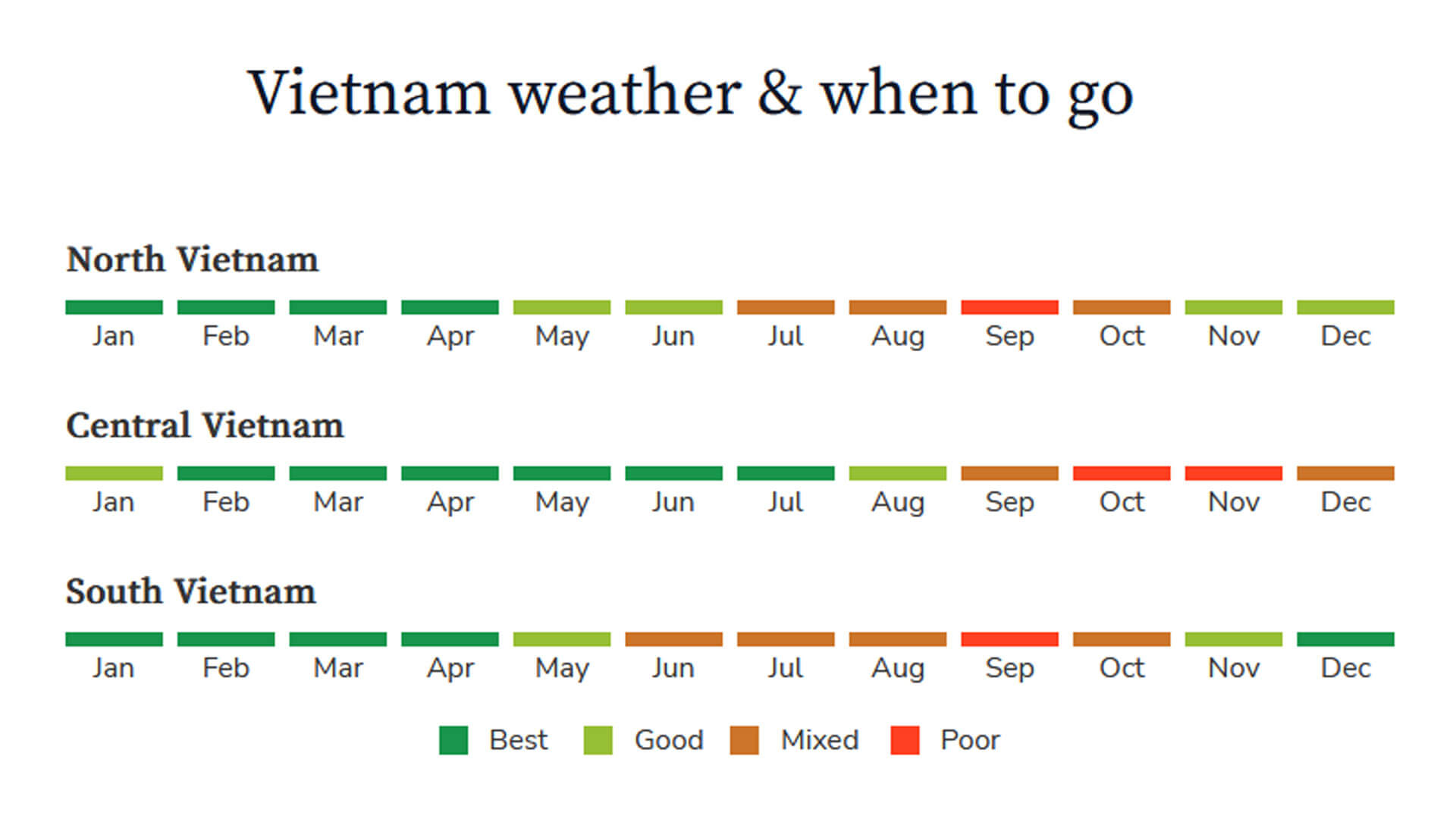
Se vuoi visitare il Vietnam, potresti chiederti che tempo fa nei diversi mesi. Beh, dipende da dove vai e da cosa vuoi fare. Il Vietnam ha un clima vario, quindi non esiste una risposta valida per tutti. Ma non preoccuparti, ti darò una panoramica generale di cosa aspettarti in ogni mese, in base ai modelli meteorologici medi. Puoi anche controllare le festività e gli eventi che si svolgono in ogni mese in Vietnam.
Gennaio
Questo è un buon mese per godersi il clima secco e piacevole nella maggior parte delle zone del Vietnam, fatta eccezione per il nord. Il nord può essere piuttosto freddo, soprattutto al mattino e alla sera. Potresti aver bisogno di vestiti caldi e giacche se vai in posti come Sapa e Ha Giang. Se stai cercando un po' di tempo in spiaggia, dirigiti a Phu Quoc, dove splende sempre il sole. Tieni presente che la baia di Halong può essere nebbiosa questo mese, quindi potresti non vedere i panorami migliori.
Febbraio
Il clima diventa più caldo nella maggior parte del Vietnam, fatta eccezione per il nord, che sembra ancora freddo. Questa è un'alta stagione per il turismo, quindi aspettatevi più folla e prezzi più alti. Ma è anche un ottimo momento per vivere il festival TET, che è il capodanno vietnamita. È una grande festa con tanto cibo, fuochi d'artificio e divertimento. Tenete presente che molti negozi, musei e ristoranti sono chiusi per circa una settimana durante il TET.
Marzo
Questo è uno dei mesi migliori per visitare il Vietnam, poiché il clima è fantastico ovunque. Hai più opzioni per le destinazioni balneari, come Mui Ne, Con Dao e Nha Trang. Hoi An è anche un posto incantevole per godersi la spiaggia e la città vecchia. Questo è anche un ottimo momento per visitare la baia di Halong, che dovrebbe avere cieli azzurri e limpidi e niente nebbia.
aprile
Come marzo, aprile è un altro mese fantastico per visitare il Vietnam, con un clima fantastico ovunque. Questa è anche un'alta stagione per il turismo, quindi preparatevi a più folla e prezzi più alti.
Maggio
Il clima diventa più caldo a maggio, ma è comunque un buon periodo per visitare il Vietnam prima che inizi la stagione delle piogge. Potresti avere un po' di pioggia a nord e a sud entro la fine del mese, ma niente di troppo grave. Puoi anche approfittare dei prezzi più bassi dopo l'alta stagione.
Giugno
Potresti avere un po' di pioggia nel nord e nel sud del Vietnam, ma di solito non è troppo male. Puoi ancora goderti le giornate di sole ad Hanoi, Mai Chau e nella baia di Halong. Il posto migliore dove stare è nel Vietnam centrale, dove il clima è ancora secco e soleggiato. Puoi rilassarti sulle spiagge di Lang Co e Hoi An, o esplorare la campagna e la cultura. Questo è anche un buon momento per viaggiare prima che inizino le vacanze scolastiche il mese prossimo.
Luglio
Il Vietnam centrale è ancora il posto migliore dove stare a luglio, con tanto sole e poca pioggia. Il resto del Vietnam potrebbe avere qualche acquazzone, ma non rovinerà il divertimento.
agosto
Il Vietnam centrale è ancora un bel posto da visitare ad agosto, anche se potresti avere un po' più di pioggia verso la fine del mese. Anche il resto del Vietnam potrebbe avere un po' di pioggia, ma non è poi così male. Puoi anche usufruire di alcuni sconti su voli e hotel durante la bassa stagione.
settembre
Questo è un buon mese per catturare l'ultimo sole sulla costa centrale del Vietnam prima che diventi troppo piovoso. Il nord e il sud sono solitamente molto umidi questo mese, ma puoi ancora trovare qualche affare sugli hotel.
ottobre
Il clima migliora nel nord del Vietnam a ottobre, ed è un ottimo periodo per visitare posti come Sapa o Ha Giang. Puoi ammirare lo scenario mozzafiato di terrazze di riso, valli e montagne che cambiano colore con le stagioni. Puoi anche fare escursioni, andare in bicicletta o stare con la gente del posto che vive lì. Questo non è un buon mese per gli amanti della spiaggia, ma il Vietnam ha molto di più da offrire oltre alle spiagge. E viaggiare a ottobre significa evitare la folla.
novembre
L'alta stagione ricomincia a novembre, poiché molte persone vengono in Vietnam per i mesi invernali più freddi nel nord. Entro la fine del mese, la maggior parte del Vietnam è di nuovo calda e secca, fatta eccezione per la regione centrale, che potrebbe avere un po' di pioggia.
Dicembre
C'è ancora la possibilità di pioggia nella parte centrale del Vietnam a dicembre; tuttavia, la maggior parte del Vietnam è di nuovo calda e secca. La stagione balneare ricomincia sull'isola di Phu Quoc. Dovresti prenotare in anticipo per Natale, perché può essere molto affollata.