Vietnam Off the Beaten Track

Discover Vietnam Off the Beaten Track: Beyond the Classic Journey

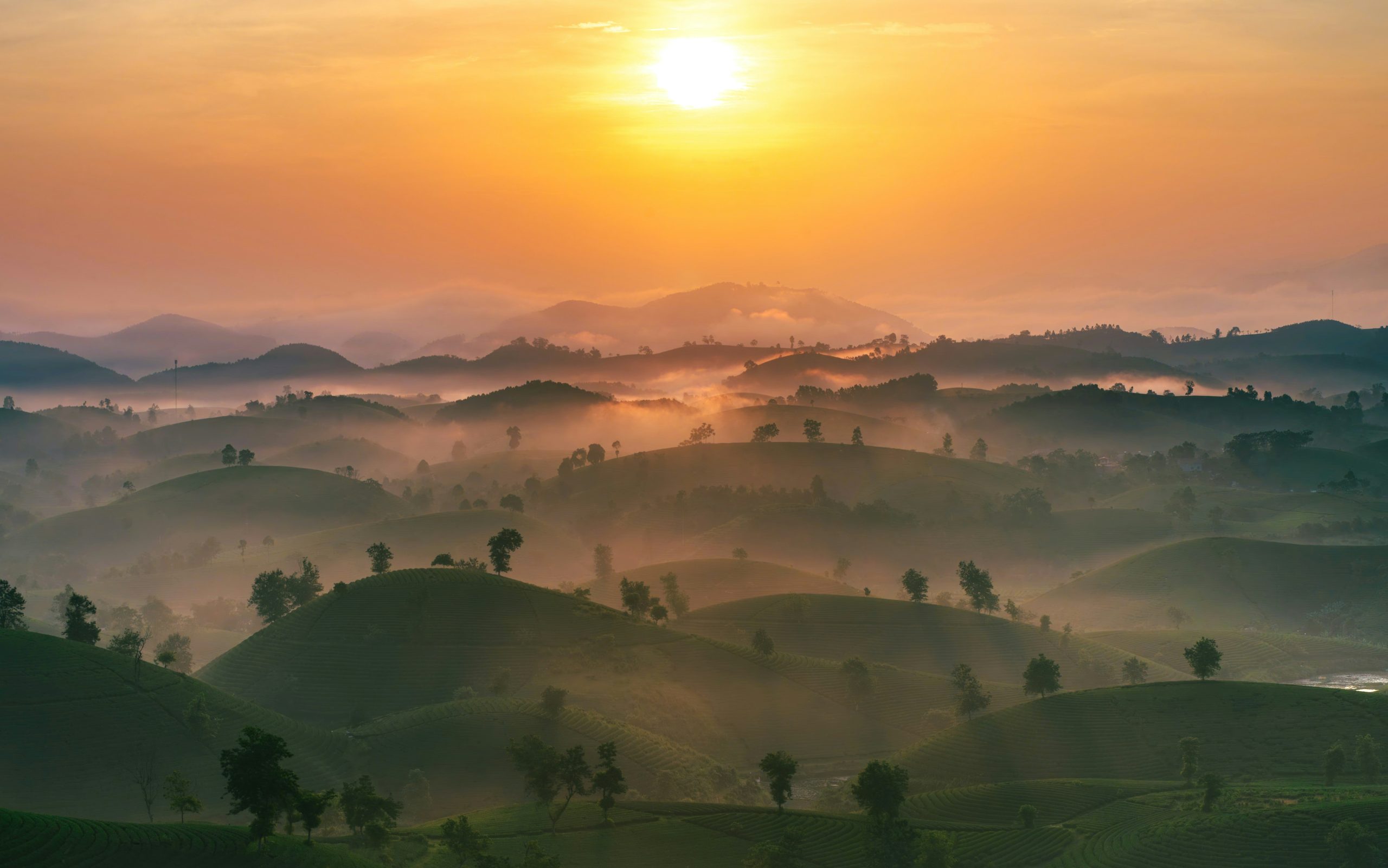
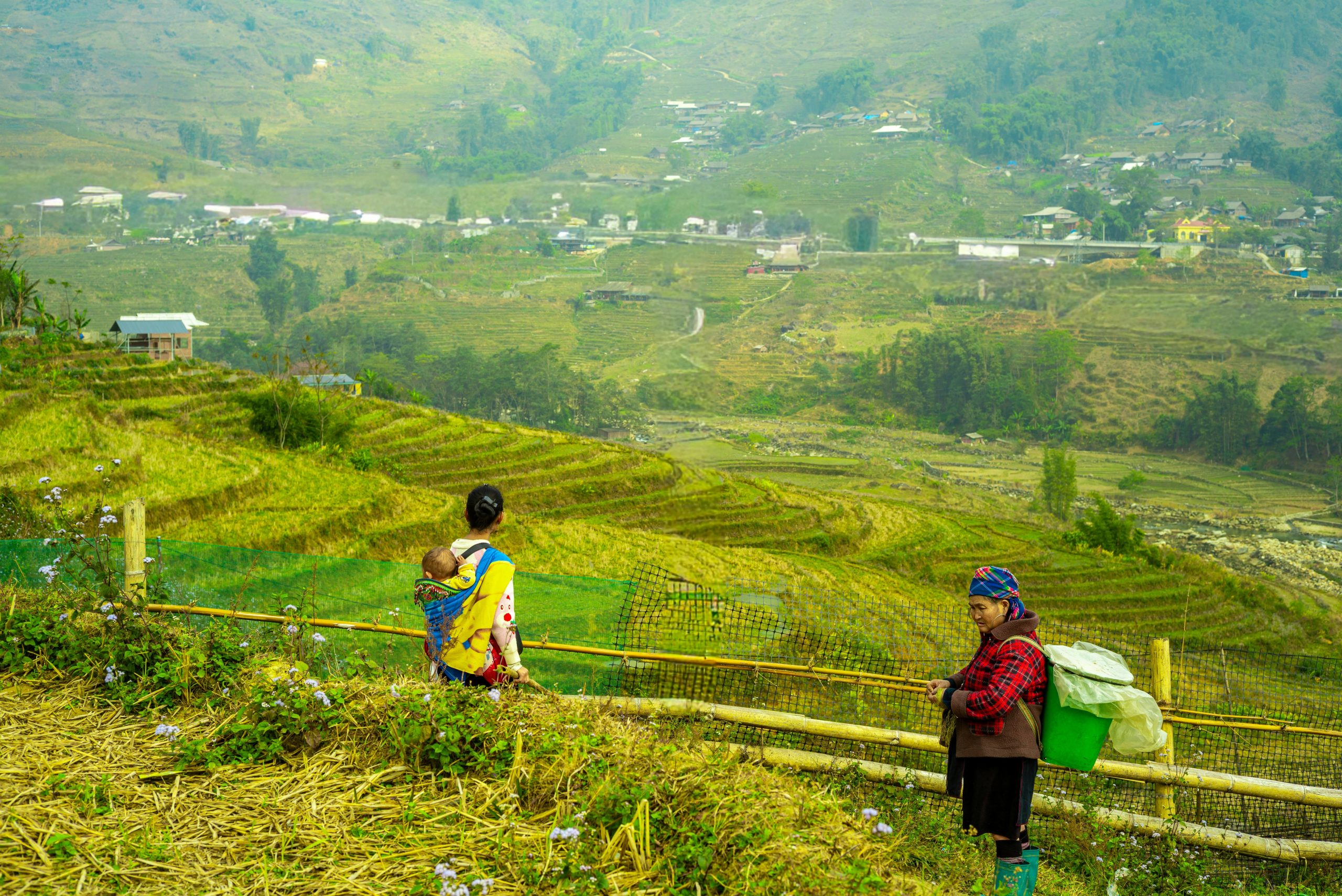
Vietnam has much more to offer than its famous cities and iconic landmarks. Venture beyond the classic routes and discover a quieter, more intimate side of the country, where dramatic landscapes, traditional villages and everyday local life become part of the journey.

From the rugged mountains of the north to the peaceful countryside of Central Vietnam and the waterways of the Mekong Delta, travelling off the beaten track reveals a Vietnam shaped by nature, traditions and communities. Meet local people, explore remote landscapes, cycle through rural villages, discover regional food and experience places where daily life moves at a different pace.

There is no single way to explore Vietnam beyond the usual itinerary. Whether you want to venture into the mountains, discover hidden cultural treasures, travel through rural landscapes or simply spend more time away from the crowds, a tailor-made journey allows you to experience Vietnam in your own way.

For travellers looking for authentic encounters, lesser-known places and a deeper connection with Vietnam, the road less travelled can become the most memorable part of the journey.

Attrazioni
Mappa

Informazioni

Places to Discover Beyond the Classic Routes

Northern Vietnam: Mountains, Villages & Living Cultures
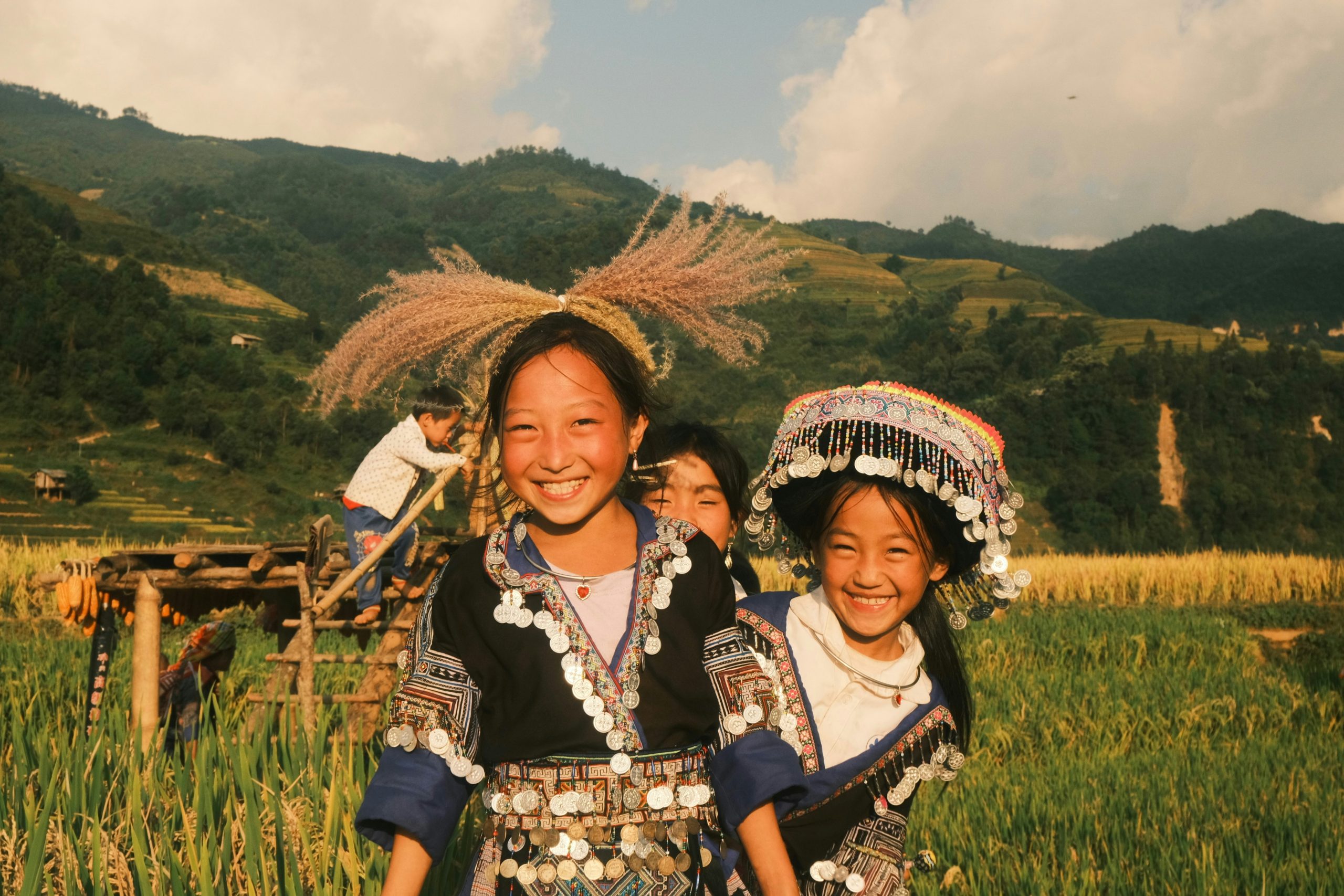
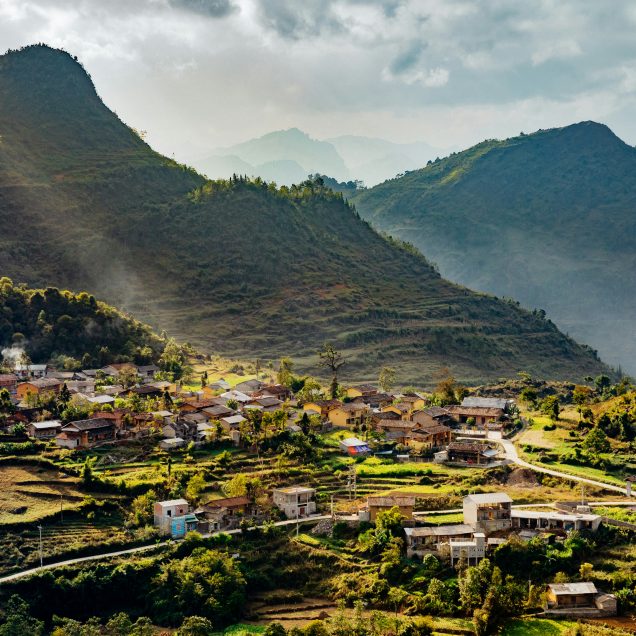
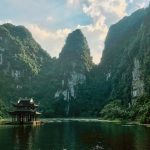
The mountains of northern Vietnam offer some of the country’s most rewarding journeys for travellers willing to venture further. In places such as Ha Giang, Cao Bang and the northern highlands, winding mountain roads lead through dramatic valleys, rice terraces and remote villages. Meet ethnic minority communities, discover traditional ways of life and experience landscapes that change with every turn of the road.

Rural Vietnam: A Slower Way of Travelling
Away from the main cities, Vietnam reveals itself through rice fields, farming communities, craft villages and quiet countryside roads. Cycle between villages, visit local artisans, join a family for a meal or simply take time to observe everyday life. These encounters offer a more personal understanding of the country and can be woven naturally into a tailor-made itinerary.

Central Vietnam: Nature Beyond the Heritage Sites
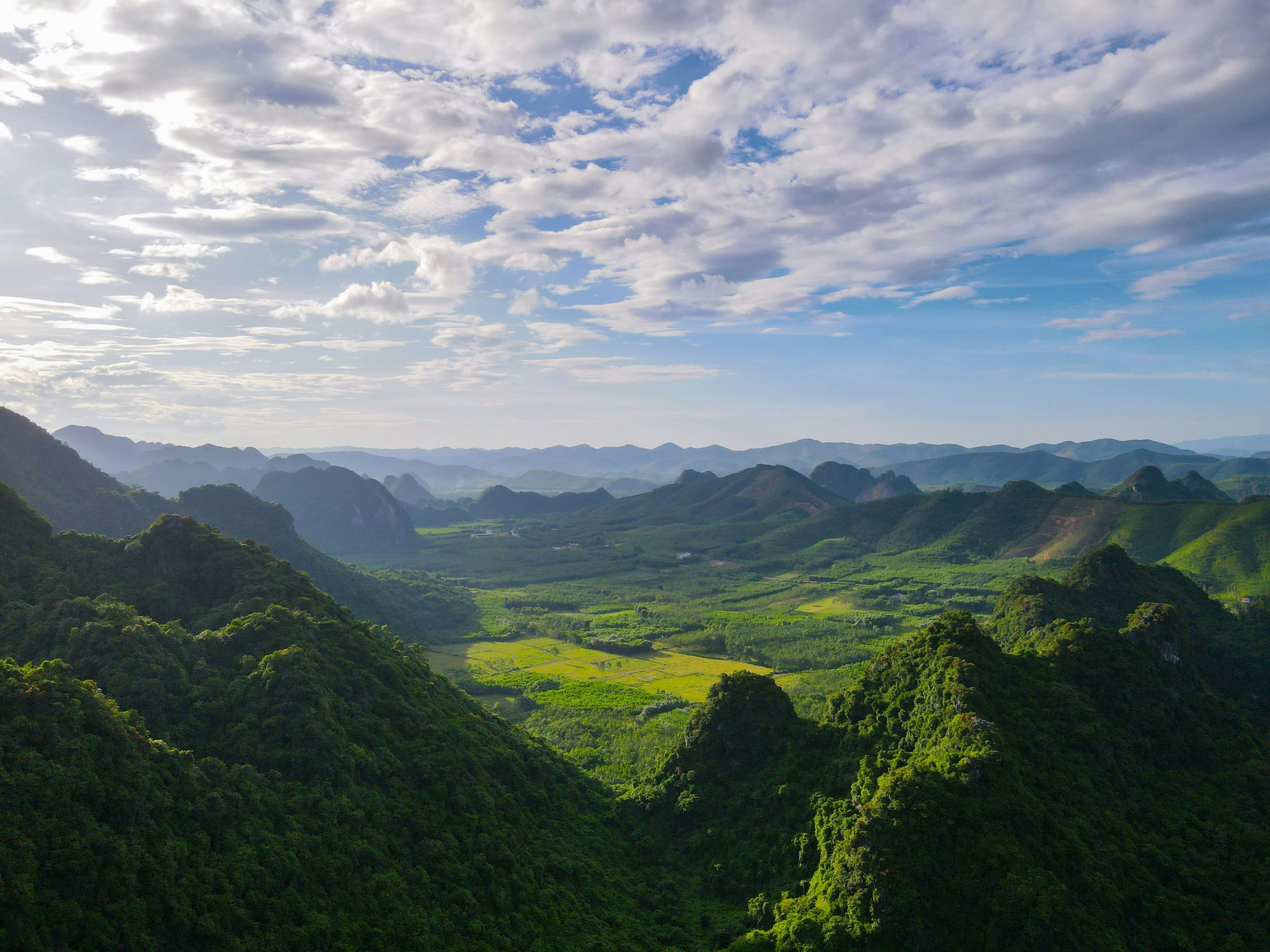
Central Vietnam is more than Hue, Hoi An and Da Nang. Venture further to discover Phong Nha, where limestone mountains, caves, rivers and lush forests create spectacular landscapes, or explore lesser-known rural areas where traditional villages and agricultural life continue away from the main tourist routes. For active travellers, the region offers opportunities for trekking, cycling, kayaking and exploring natural environments.

The Mekong Delta: Life Along the Waterways
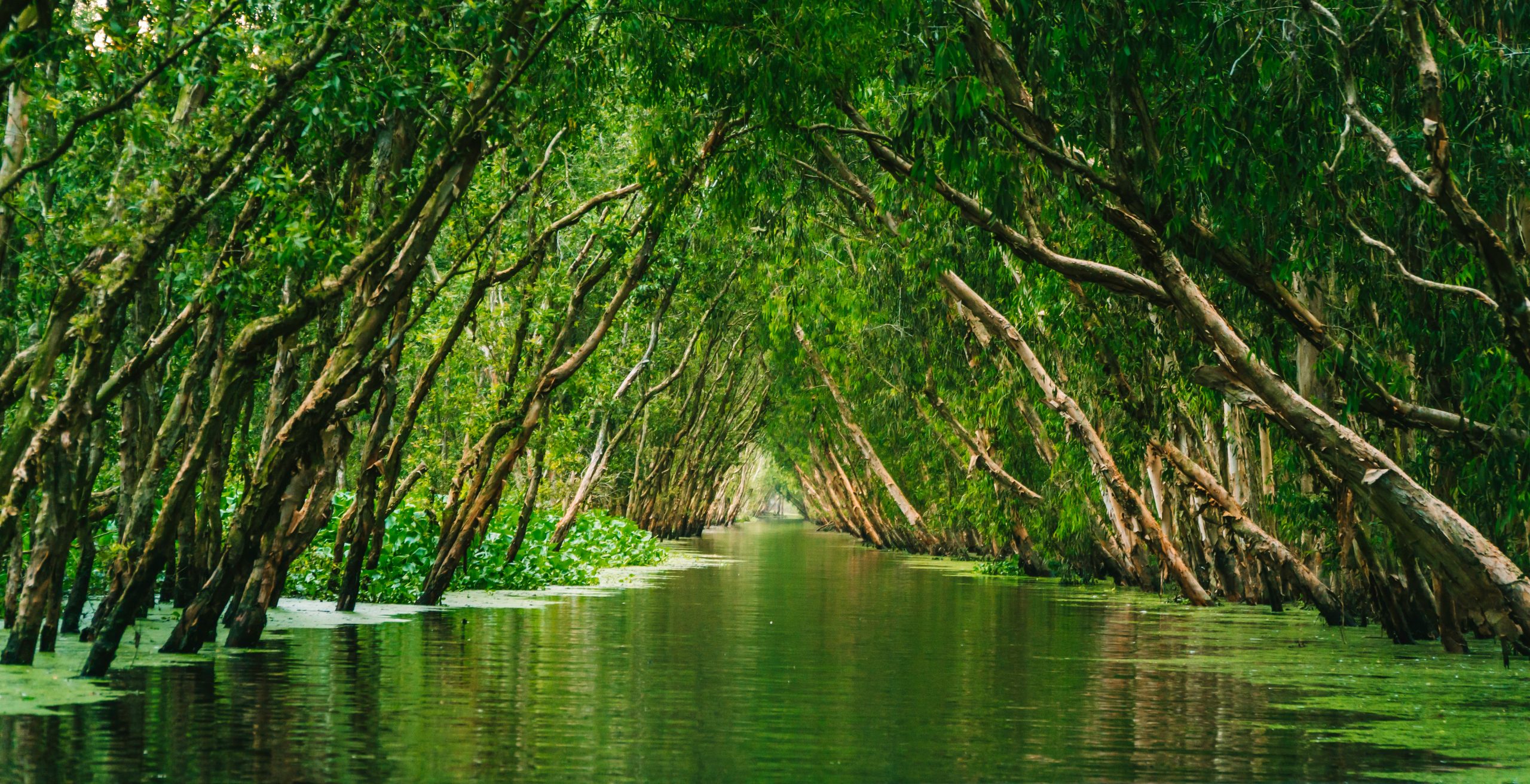
In southern Vietnam, the Mekong Delta unfolds as a landscape of rivers, canals, rice fields and fruit orchards. Explore quieter waterways by small boat, visit local farms and villages, discover traditional crafts or experience the rhythm of communities whose lives remain closely connected to the river. Places such as Tra Su Cajuput Forest offer another perspective on the region, where waterways wind through lush wetlands and towering cajuput trees.

Local Experiences & Authentic Encounters
Travelling off the beaten track is not simply about visiting places that appear less frequently on a map. It is about how you experience them. Share a meal with a local family, learn about traditional crafts, cycle through the countryside, explore a market with a guide or stay overnight in a village. These experiences can transform a journey from sightseeing into a genuine connection with Vietnam.

Hidden Landscapes & Tailor-Made Journeys
There is no single route through Vietnam’s lesser-known destinations. Combine remote mountain landscapes with cultural encounters, add a few days of countryside exploration to a classic itinerary or venture into regions that are rarely visited by international travellers. With a tailor-made journey, the pace, destinations and experiences can be shaped around what you want to discover.

When to Travel

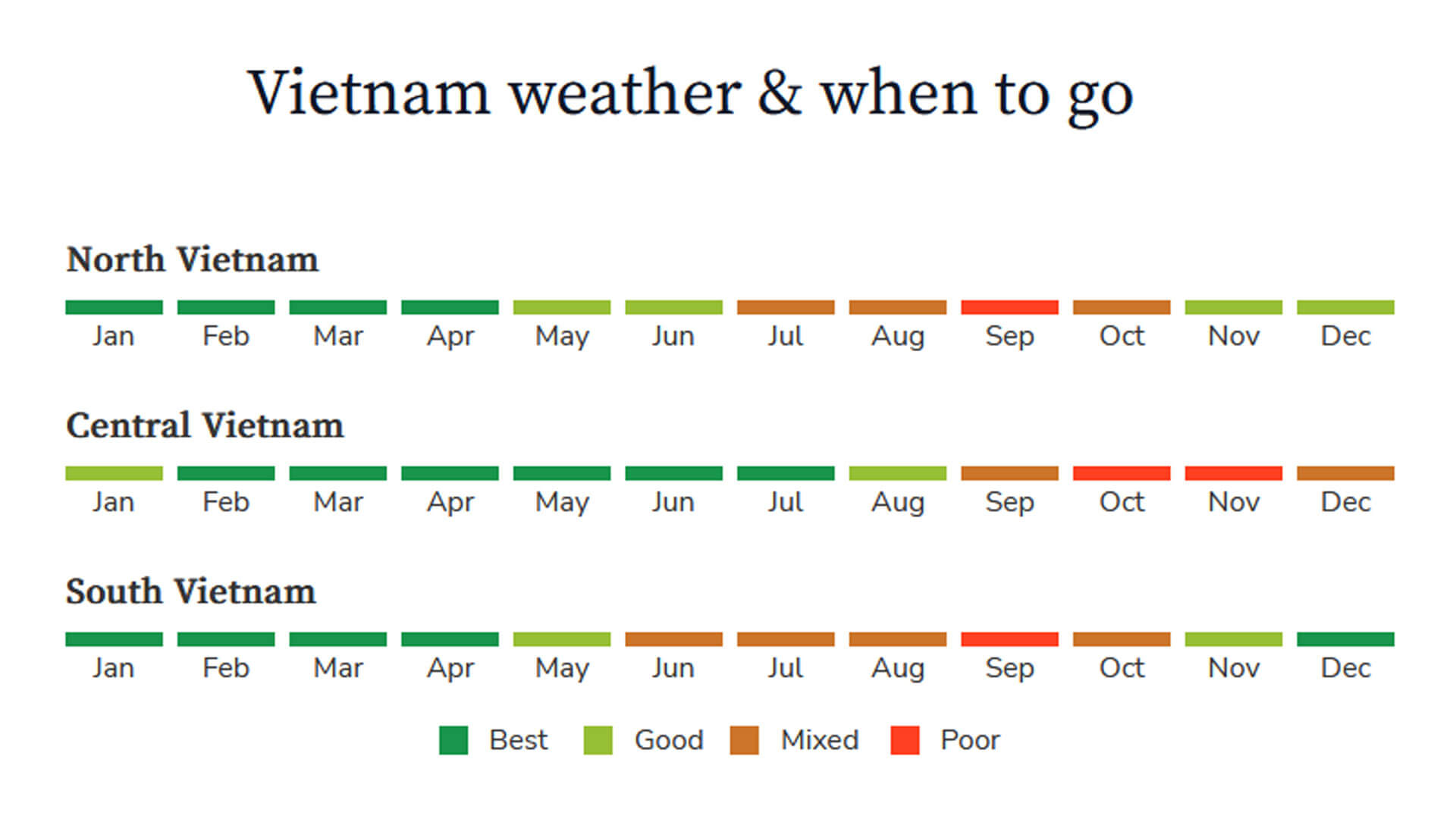
Vietnam stretches from north to south, so its climate varies considerably between regions. This makes it possible to travel off the beaten track throughout the year, depending on where you want to go.

October to April is generally a particularly good period for exploring northern and central Vietnam, with more comfortable temperatures and favourable conditions for mountain journeys, cycling and outdoor activities.

May to August brings warmer weather and greener landscapes across much of the country. It can be an excellent time for travellers who enjoy lush countryside and outdoor experiences, although temperatures can be high.

September to December can bring more changeable conditions, particularly in Central Vietnam, where rainfall can be heavier. Northern landscapes become particularly atmospheric during autumn, while the Mekong Delta remains rewarding to explore.
Local selling durian on his bike, Vietnam Precedente Vietnam

Practical Information

  • Best Seasons October to April
  • Main Experiences Trekking, cycling, village visits, nature and local encounters
  • Highlights Northern mountains, ethnic cultures, rural Central Vietnam, Phong Nha and the Mekong Delta
  • Ideal For Adventure seekers, culture lovers, repeat travellers and tailor-made journeys
  • Travel Style Flexible, immersive and away from the main tourist routes
  • Best combined with Hanoi, Ha Long Bay, Hue, Hoi An and Ho Chi Minh City

Il periodo migliore per visitare il Vietnam

Se vuoi visitare il Vietnam, potresti chiederti che tempo fa nei diversi mesi. Beh, dipende da dove vai e da cosa vuoi fare. Il Vietnam ha un clima vario, quindi non esiste una risposta valida per tutti. Ma non preoccuparti, ti darò una panoramica generale di cosa aspettarti in ogni mese, in base ai modelli meteorologici medi. Puoi anche controllare le festività e gli eventi che si svolgono in ogni mese in Vietnam.

Gennaio
Questo è un buon mese per godersi il clima secco e piacevole nella maggior parte delle zone del Vietnam, fatta eccezione per il nord. Il nord può essere piuttosto freddo, soprattutto al mattino e alla sera. Potresti aver bisogno di vestiti caldi e giacche se vai in posti come Sapa e Ha Giang. Se stai cercando un po' di tempo in spiaggia, dirigiti a Phu Quoc, dove splende sempre il sole. Tieni presente che la baia di Halong può essere nebbiosa questo mese, quindi potresti non vedere i panorami migliori.

Febbraio
Il clima diventa più caldo nella maggior parte del Vietnam, fatta eccezione per il nord, che sembra ancora freddo. Questa è un'alta stagione per il turismo, quindi aspettatevi più folla e prezzi più alti. Ma è anche un ottimo momento per vivere il festival TET, che è il capodanno vietnamita. È una grande festa con tanto cibo, fuochi d'artificio e divertimento. Tenete presente che molti negozi, musei e ristoranti sono chiusi per circa una settimana durante il TET.

Marzo
Questo è uno dei mesi migliori per visitare il Vietnam, poiché il clima è fantastico ovunque. Hai più opzioni per le destinazioni balneari, come Mui Ne, Con Dao e Nha Trang. Hoi An è anche un posto incantevole per godersi la spiaggia e la città vecchia. Questo è anche un ottimo momento per visitare la baia di Halong, che dovrebbe avere cieli azzurri e limpidi e niente nebbia.

aprile
Come marzo, aprile è un altro mese fantastico per visitare il Vietnam, con un clima fantastico ovunque. Questa è anche un'alta stagione per il turismo, quindi preparatevi a più folla e prezzi più alti.

Maggio
Il clima diventa più caldo a maggio, ma è comunque un buon periodo per visitare il Vietnam prima che inizi la stagione delle piogge. Potresti avere un po' di pioggia a nord e a sud entro la fine del mese, ma niente di troppo grave. Puoi anche approfittare dei prezzi più bassi dopo l'alta stagione.

Giugno
Potresti avere un po' di pioggia nel nord e nel sud del Vietnam, ma di solito non è troppo male. Puoi ancora goderti le giornate di sole ad Hanoi, Mai Chau e nella baia di Halong. Il posto migliore dove stare è nel Vietnam centrale, dove il clima è ancora secco e soleggiato. Puoi rilassarti sulle spiagge di Lang Co e Hoi An, o esplorare la campagna e la cultura. Questo è anche un buon momento per viaggiare prima che inizino le vacanze scolastiche il mese prossimo.

Luglio
Il Vietnam centrale è ancora il posto migliore dove stare a luglio, con tanto sole e poca pioggia. Il resto del Vietnam potrebbe avere qualche acquazzone, ma non rovinerà il divertimento.

agosto
Il Vietnam centrale è ancora un bel posto da visitare ad agosto, anche se potresti avere un po' più di pioggia verso la fine del mese. Anche il resto del Vietnam potrebbe avere un po' di pioggia, ma non è poi così male. Puoi anche usufruire di alcuni sconti su voli e hotel durante la bassa stagione.

settembre
Questo è un buon mese per catturare l'ultimo sole sulla costa centrale del Vietnam prima che diventi troppo piovoso. Il nord e il sud sono solitamente molto umidi questo mese, ma puoi ancora trovare qualche affare sugli hotel.

ottobre
Il clima migliora nel nord del Vietnam a ottobre, ed è un ottimo periodo per visitare posti come Sapa o Ha Giang. Puoi ammirare lo scenario mozzafiato di terrazze di riso, valli e montagne che cambiano colore con le stagioni. Puoi anche fare escursioni, andare in bicicletta o stare con la gente del posto che vive lì. Questo non è un buon mese per gli amanti della spiaggia, ma il Vietnam ha molto di più da offrire oltre alle spiagge. E viaggiare a ottobre significa evitare la folla.

novembre
L'alta stagione ricomincia a novembre, poiché molte persone vengono in Vietnam per i mesi invernali più freddi nel nord. Entro la fine del mese, la maggior parte del Vietnam è di nuovo calda e secca, fatta eccezione per la regione centrale, che potrebbe avere un po' di pioggia.

Dicembre
C'è ancora la possibilità di pioggia nella parte centrale del Vietnam a dicembre; tuttavia, la maggior parte del Vietnam è di nuovo calda e secca. La stagione balneare ricomincia sull'isola di Phu Quoc. Dovresti prenotare in anticipo per Natale, perché può essere molto affollata.