Cambogia

Discover Cambodia: Where Ancient Wonders Meet Everyday Life

Cambodia is a country where the past is never far away. From the magnificent temples of Angkor rising through the jungle to quiet villages, floating communities and lively local markets, Cambodia invites you to slow down and discover a culture shaped by centuries of history, spirituality and tradition.

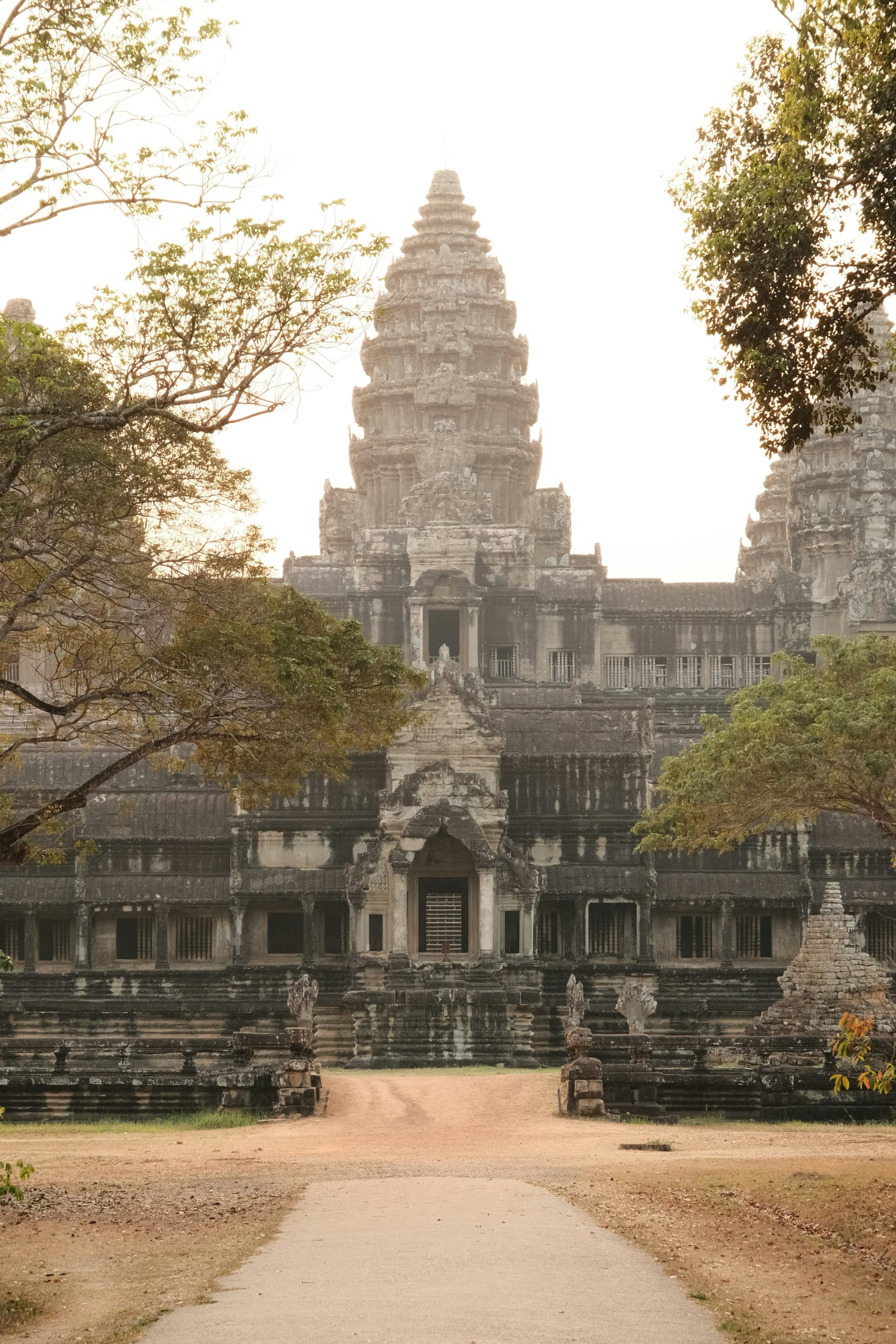
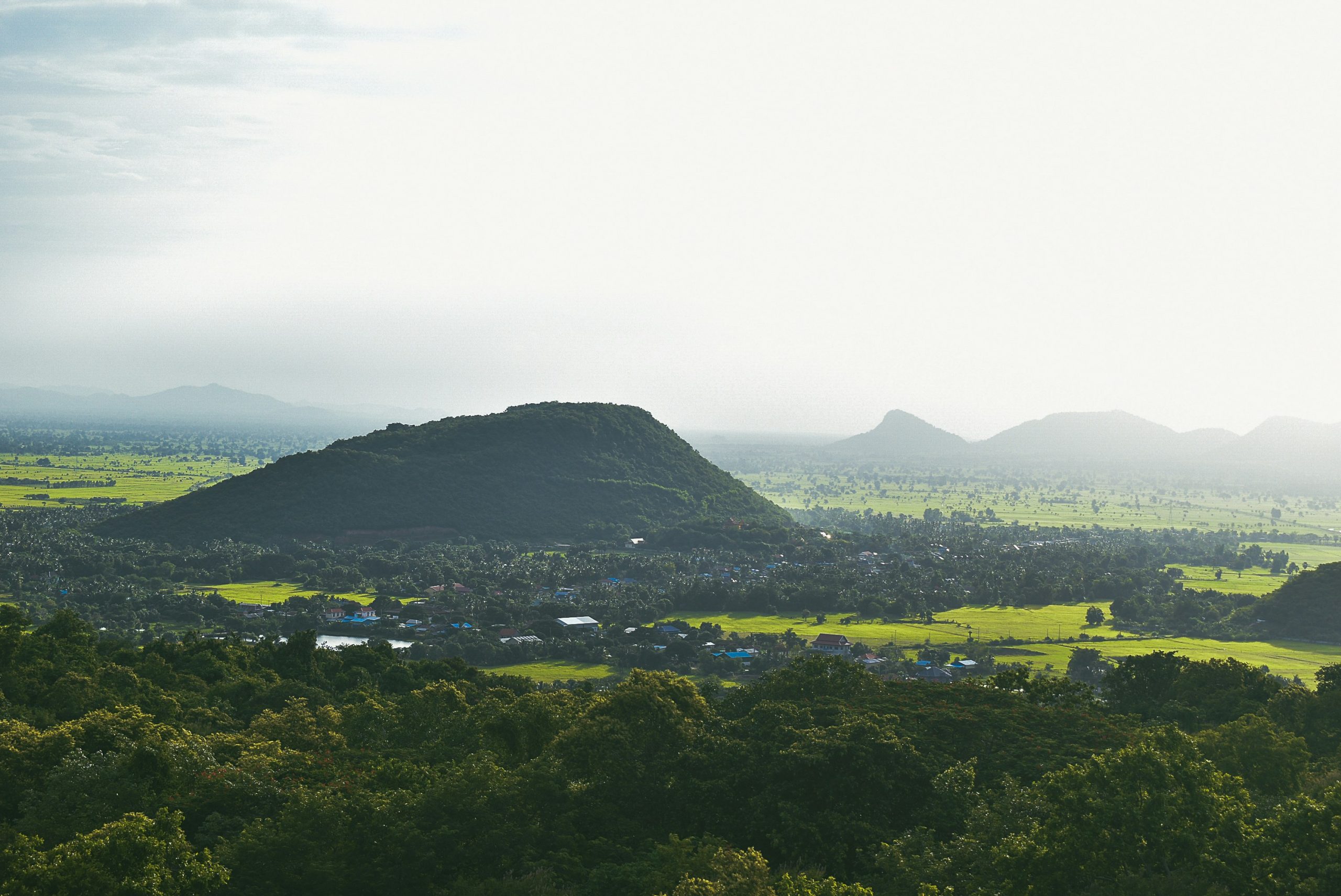
At the heart of the journey is Siem Reap and Angkor, where ancient temples reveal stories carved into stone and sunrise over Angkor Wat creates a moment you will remember long after leaving. But Cambodia is much more than its famous temples. Travel beyond Angkor to discover the warmth of Cambodian life, explore the countryside, meet local communities and experience a slower, more authentic side of the country.

Whether you are drawn by history, culture, nature, adventure or simply the desire to experience somewhere different, Cambodia offers countless ways to create a journey that feels personal and unforgettable.

Attrazioni
Mappa

Informazioni

Places to Discover in Cambodia

Angkor Wat & the Temples of Angkor
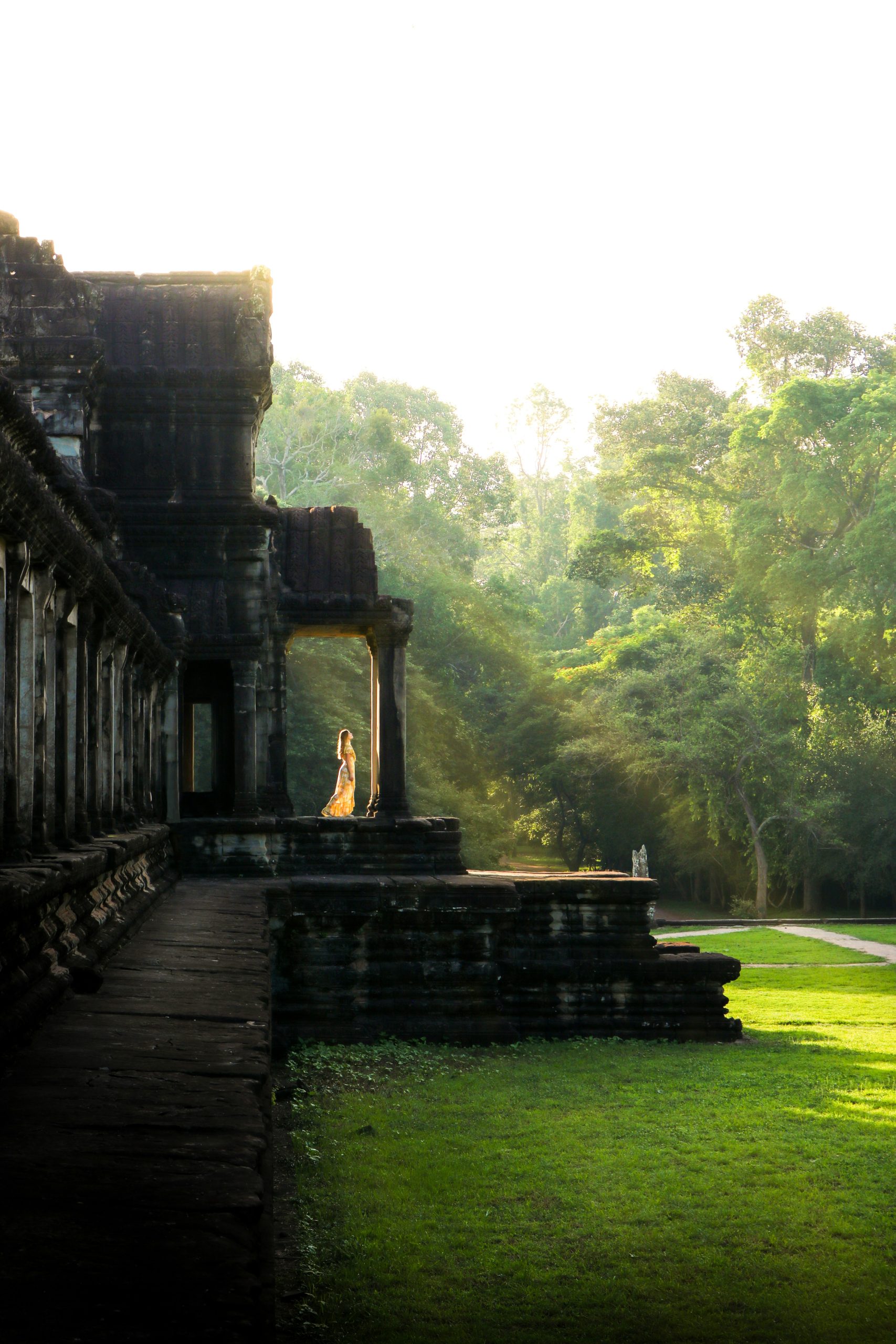
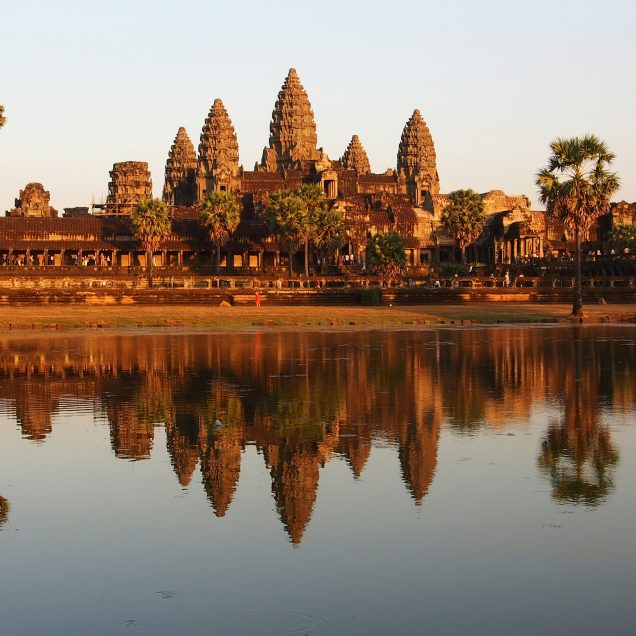
The extraordinary temples of Angkor are the heart of any journey to Cambodia. Explore Angkor Wat, the Bayon with its enigmatic stone faces, and atmospheric Ta Prohm, where ancient ruins and jungle seem to grow together. Beyond the famous landmarks, countless smaller temples invite you to slow down and discover the stories carved into the stones.

Siem Reap
More than a gateway to Angkor, Siem Reap is a lively destination in its own right, with creative spaces, local markets, Khmer cuisine and opportunities to experience Cambodian culture at a slower pace. It is an ideal base from which to explore the temples and surrounding countryside.

Phnom Penh
Cambodia’s capital offers a fascinating contrast to the serenity of Angkor. Discover the Royal Palace and Silver Pagoda, wander along the Mekong and explore the city’s cafés, markets and vibrant streets. Phnom Penh also offers important places to understand Cambodia’s more recent history.

Lago Tonlé Sap
Life around Tonlé Sap follows the rhythm of the water. A visit to the lake and its floating or stilted communities offers a glimpse into a way of life closely connected to fishing, changing water levels and the surrounding landscape.

Cambodia’s Coast & Islands
For a change of pace, head south towards Cambodia’s tropical coastline. White-sand beaches, turquoise waters and quieter islands such as Koh Rong and Koh Rong Samloem offer the perfect setting to unwind after exploring temples and cities.

Battambang & the Countryside
For travellers looking beyond the classic highlights, Battambang offers a more intimate side of Cambodia. Discover French colonial architecture, rural landscapes, traditional villages and the famous bamboo train while experiencing the slower rhythm of life outside the main tourist centres.

When to Travel

Cambodia can be enjoyed throughout the year, with each season offering a different experience.

Da novembre a marzo is generally the coolest and driest period, making it particularly comfortable for exploring temples, cities and the countryside.

Da aprile a giugno brings hotter temperatures and is ideal for travellers who don’t mind the heat and want to combine cultural exploration with time by the coast.

Da luglio a ottobre is the greener, wetter season. Short rain showers can transform the countryside into vibrant shades of green, while fewer visitors can mean a quieter experience at some of the country’s highlights.

Practical Information

Currency: The Cambodian Riel (KHR) is the official currency, while US dollars are also widely used in many tourist areas.

Lingua: Khmer is the official language. English is commonly spoken in hotels, restaurants and tourist areas.

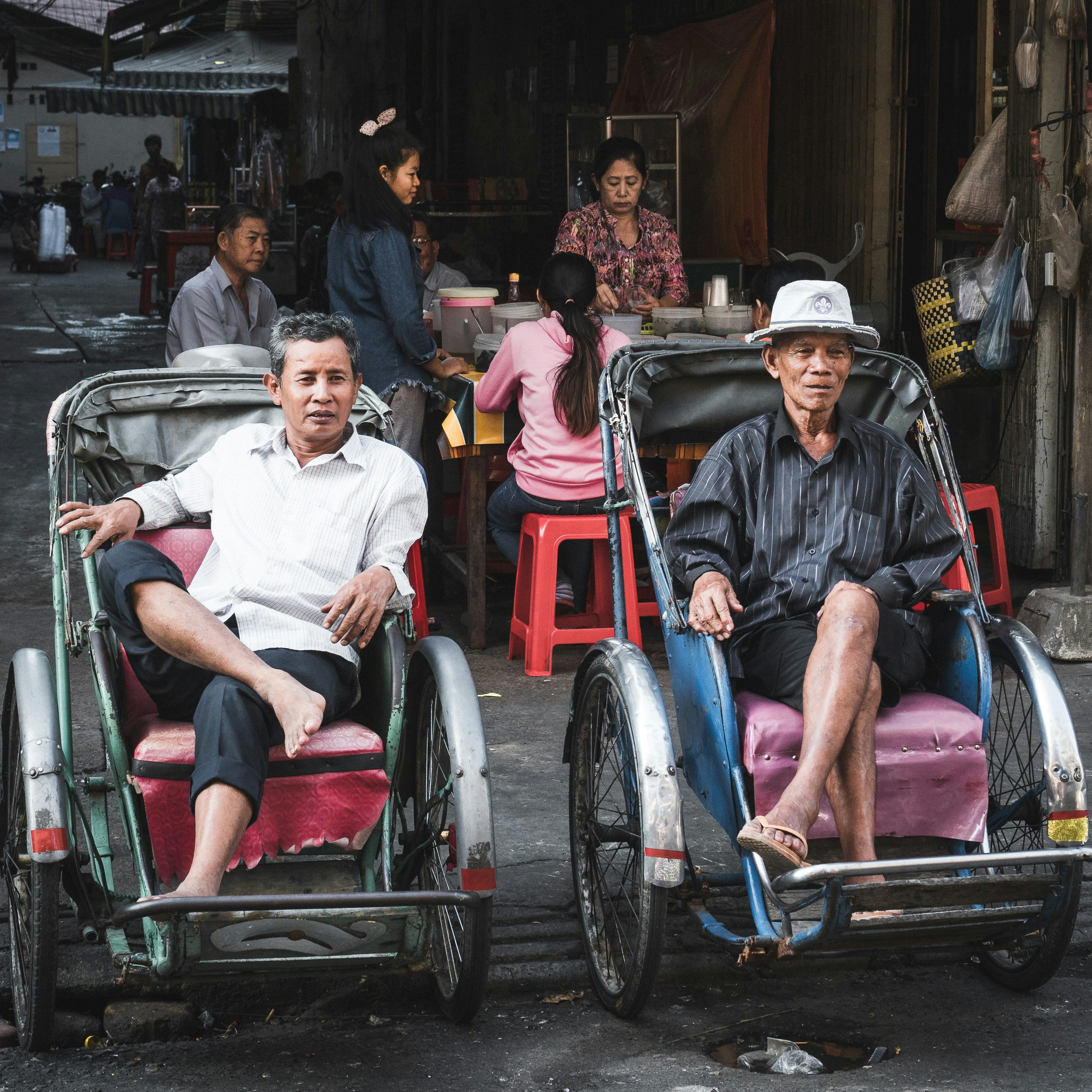
Getting Around: Travel between Cambodia’s main destinations is possible by road, with buses, private transfers and domestic flights available depending on the route. Tuk-tuks are a convenient and enjoyable way to explore cities and towns.

Visiting Temples: When visiting temples and religious sites, modest clothing covering the shoulders and knees is recommended and may be required at certain sites.

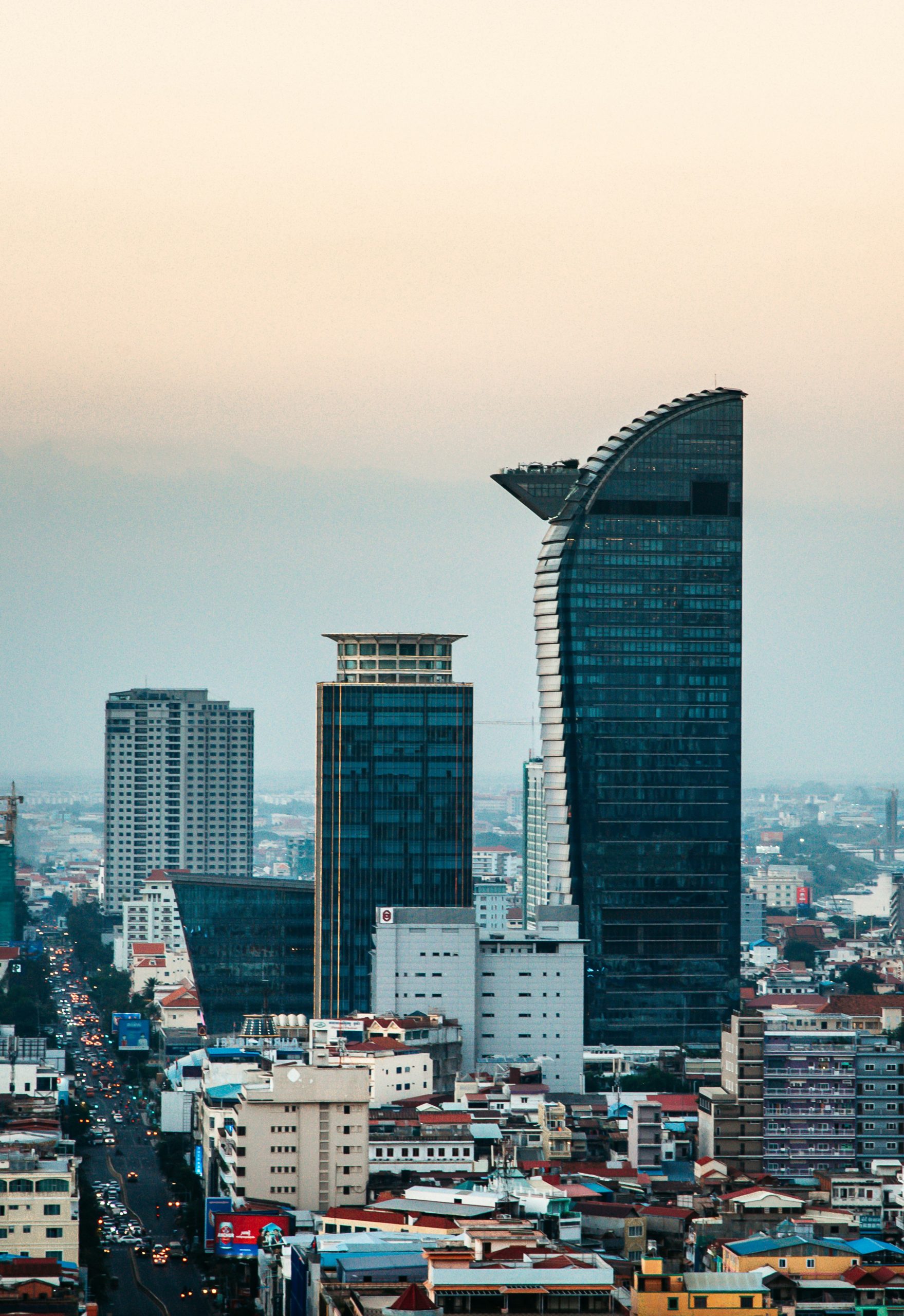
Modern and historic buildings in Ho Chi Minh City, Vietnam Precedente Vietnam del Sud

Practical Information

  • Le stagioni migliori Da novembre a marzo
  • Lingua khmer, lingua cambogiana
  • Valuta Riel cambogiano (KHR)
  • Fuso orario Ora legale+7
  • Getting around Private transfers, buses, domestic flights and tuk-tuks
  • Visa Tourist visa required for most nationalities; e-Visa available

Il periodo migliore per visitare il Vietnam

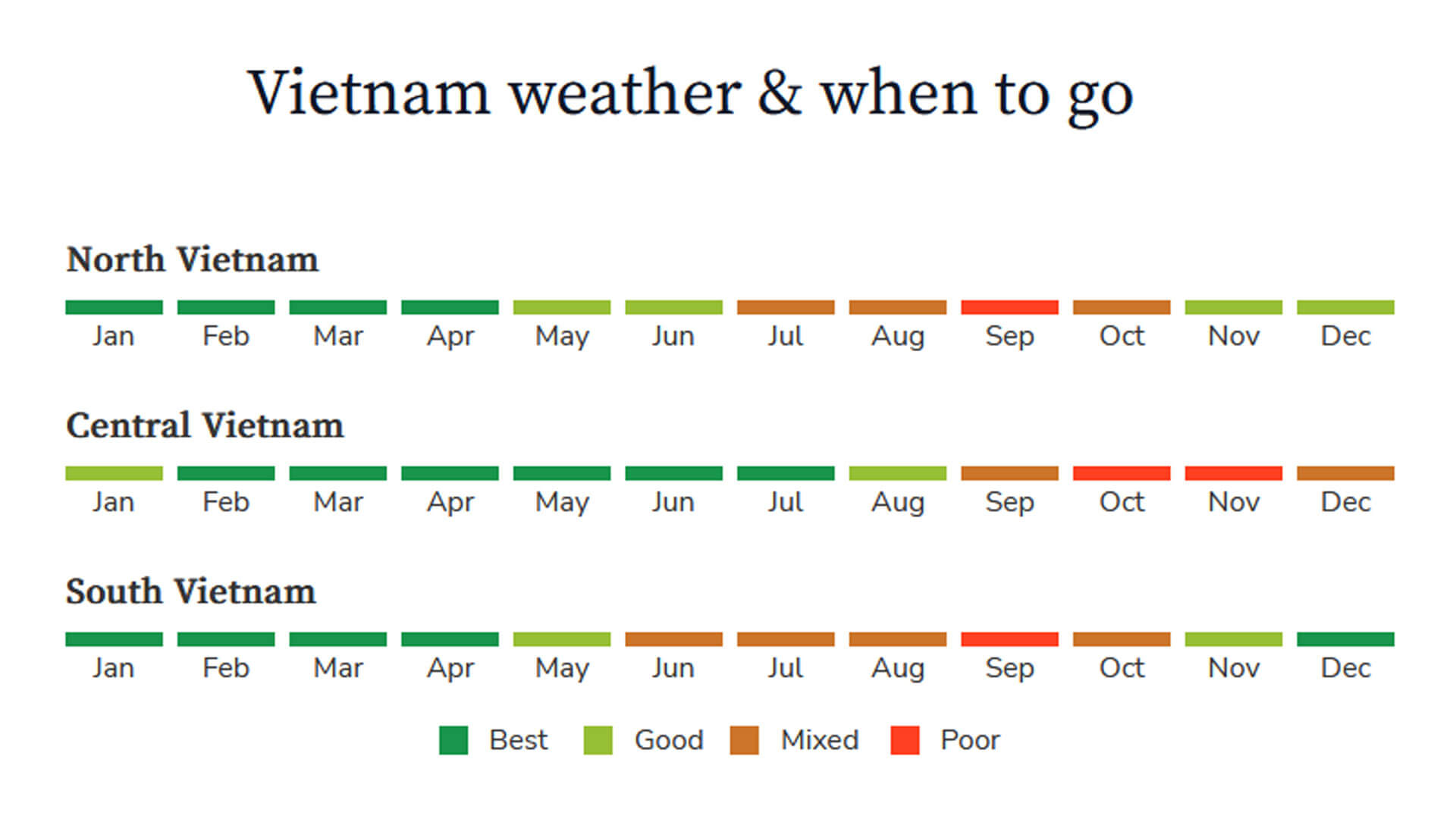
Se vuoi visitare il Vietnam, potresti chiederti che tempo fa nei diversi mesi. Beh, dipende da dove vai e da cosa vuoi fare. Il Vietnam ha un clima vario, quindi non esiste una risposta valida per tutti. Ma non preoccuparti, ti darò una panoramica generale di cosa aspettarti in ogni mese, in base ai modelli meteorologici medi. Puoi anche controllare le festività e gli eventi che si svolgono in ogni mese in Vietnam.

Gennaio
Questo è un buon mese per godersi il clima secco e piacevole nella maggior parte delle zone del Vietnam, fatta eccezione per il nord. Il nord può essere piuttosto freddo, soprattutto al mattino e alla sera. Potresti aver bisogno di vestiti caldi e giacche se vai in posti come Sapa e Ha Giang. Se stai cercando un po' di tempo in spiaggia, dirigiti a Phu Quoc, dove splende sempre il sole. Tieni presente che la baia di Halong può essere nebbiosa questo mese, quindi potresti non vedere i panorami migliori.

Febbraio
Il clima diventa più caldo nella maggior parte del Vietnam, fatta eccezione per il nord, che sembra ancora freddo. Questa è un'alta stagione per il turismo, quindi aspettatevi più folla e prezzi più alti. Ma è anche un ottimo momento per vivere il festival TET, che è il capodanno vietnamita. È una grande festa con tanto cibo, fuochi d'artificio e divertimento. Tenete presente che molti negozi, musei e ristoranti sono chiusi per circa una settimana durante il TET.

Marzo
Questo è uno dei mesi migliori per visitare il Vietnam, poiché il clima è fantastico ovunque. Hai più opzioni per le destinazioni balneari, come Mui Ne, Con Dao e Nha Trang. Hoi An è anche un posto incantevole per godersi la spiaggia e la città vecchia. Questo è anche un ottimo momento per visitare la baia di Halong, che dovrebbe avere cieli azzurri e limpidi e niente nebbia.

aprile
Come marzo, aprile è un altro mese fantastico per visitare il Vietnam, con un clima fantastico ovunque. Questa è anche un'alta stagione per il turismo, quindi preparatevi a più folla e prezzi più alti.

Maggio
Il clima diventa più caldo a maggio, ma è comunque un buon periodo per visitare il Vietnam prima che inizi la stagione delle piogge. Potresti avere un po' di pioggia a nord e a sud entro la fine del mese, ma niente di troppo grave. Puoi anche approfittare dei prezzi più bassi dopo l'alta stagione.

Giugno
Potresti avere un po' di pioggia nel nord e nel sud del Vietnam, ma di solito non è troppo male. Puoi ancora goderti le giornate di sole ad Hanoi, Mai Chau e nella baia di Halong. Il posto migliore dove stare è nel Vietnam centrale, dove il clima è ancora secco e soleggiato. Puoi rilassarti sulle spiagge di Lang Co e Hoi An, o esplorare la campagna e la cultura. Questo è anche un buon momento per viaggiare prima che inizino le vacanze scolastiche il mese prossimo.

Luglio
Il Vietnam centrale è ancora il posto migliore dove stare a luglio, con tanto sole e poca pioggia. Il resto del Vietnam potrebbe avere qualche acquazzone, ma non rovinerà il divertimento.

agosto
Il Vietnam centrale è ancora un bel posto da visitare ad agosto, anche se potresti avere un po' più di pioggia verso la fine del mese. Anche il resto del Vietnam potrebbe avere un po' di pioggia, ma non è poi così male. Puoi anche usufruire di alcuni sconti su voli e hotel durante la bassa stagione.

settembre
Questo è un buon mese per catturare l'ultimo sole sulla costa centrale del Vietnam prima che diventi troppo piovoso. Il nord e il sud sono solitamente molto umidi questo mese, ma puoi ancora trovare qualche affare sugli hotel.

ottobre
Il clima migliora nel nord del Vietnam a ottobre, ed è un ottimo periodo per visitare posti come Sapa o Ha Giang. Puoi ammirare lo scenario mozzafiato di terrazze di riso, valli e montagne che cambiano colore con le stagioni. Puoi anche fare escursioni, andare in bicicletta o stare con la gente del posto che vive lì. Questo non è un buon mese per gli amanti della spiaggia, ma il Vietnam ha molto di più da offrire oltre alle spiagge. E viaggiare a ottobre significa evitare la folla.

novembre
L'alta stagione ricomincia a novembre, poiché molte persone vengono in Vietnam per i mesi invernali più freddi nel nord. Entro la fine del mese, la maggior parte del Vietnam è di nuovo calda e secca, fatta eccezione per la regione centrale, che potrebbe avere un po' di pioggia.

Dicembre
C'è ancora la possibilità di pioggia nella parte centrale del Vietnam a dicembre; tuttavia, la maggior parte del Vietnam è di nuovo calda e secca. La stagione balneare ricomincia sull'isola di Phu Quoc. Dovresti prenotare in anticipo per Natale, perché può essere molto affollata.