Combinazione con soggiorno in Vietnam
Discover Southeast Asia: Combine Vietnam with Cambodia, Laos & Thailand
Vietnam can be more than a destination in itself. Its location, international connections and diverse landscapes make it a natural starting point for travellers who want to experience several countries in one journey.
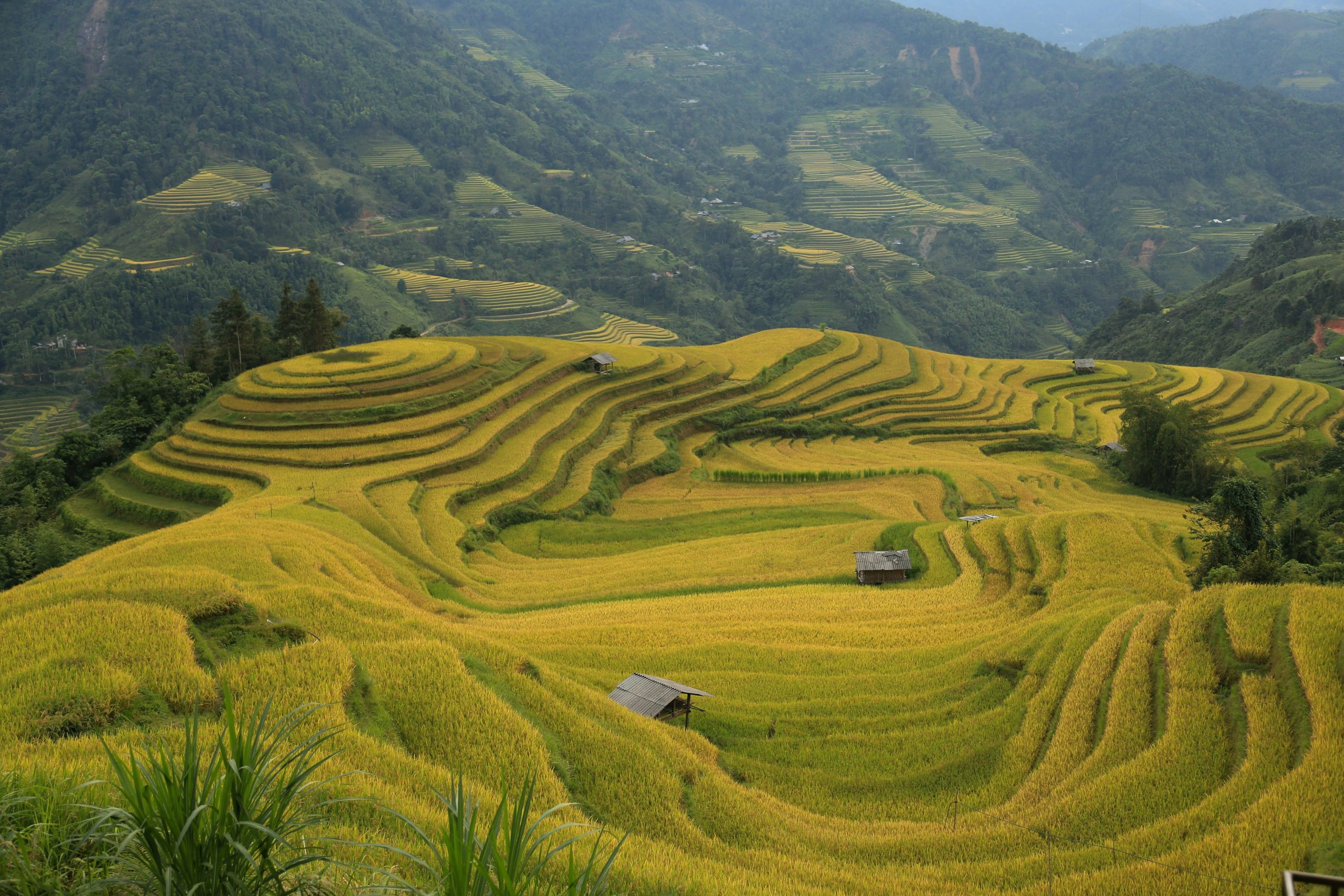
Begin in Vietnam, exploring its historic cities, dramatic landscapes, vibrant culture and coastal escapes before continuing to Cambodia, Laos or Thailand. Each country brings its own character, traditions and experiences, creating a richer and more varied journey across Southeast Asia.
From Vietnam and Cambodia’s cultural heritage to the quieter landscapes of Laos or the beaches and lively cities of Thailand, a multi-country itinerary can be shaped around your interests, travel style and available time.
Viettourist can design seamless combinations between Vietnam and its neighbouring countries, taking care of the practical details while creating a journey that feels coherent from beginning to end. Whether you are looking for a cultural adventure, a relaxing extension or a longer tailor-made discovery, Vietnam can be the perfect foundation for exploring more of Southeast Asia.
Attrazioni

Mappa
Informazioni
From Vietnam to Beyond
Vietnam offers an ideal starting point for a wider journey through Southeast Asia. With international connections from Hanoi, Ho Chi Minh City and Da Nang, travellers can combine their time in Vietnam with neighbouring countries without turning the journey into a complicated series of separate trips.
The advantage of a multi-country itinerary is the contrast between destinations. Vietnam brings together historic cities, dramatic landscapes, vibrant local life and long coastlines, while Cambodia, Laos and Thailand each offer their own distinct cultures, landscapes and experiences.
Rather than trying to see everything, a well-designed combination allows travellers to choose the countries and experiences that complement their interests and available time.
Vietnam & Cambodia
Combining Vietnam with Cambodia creates a journey rich in history, culture and river landscapes.
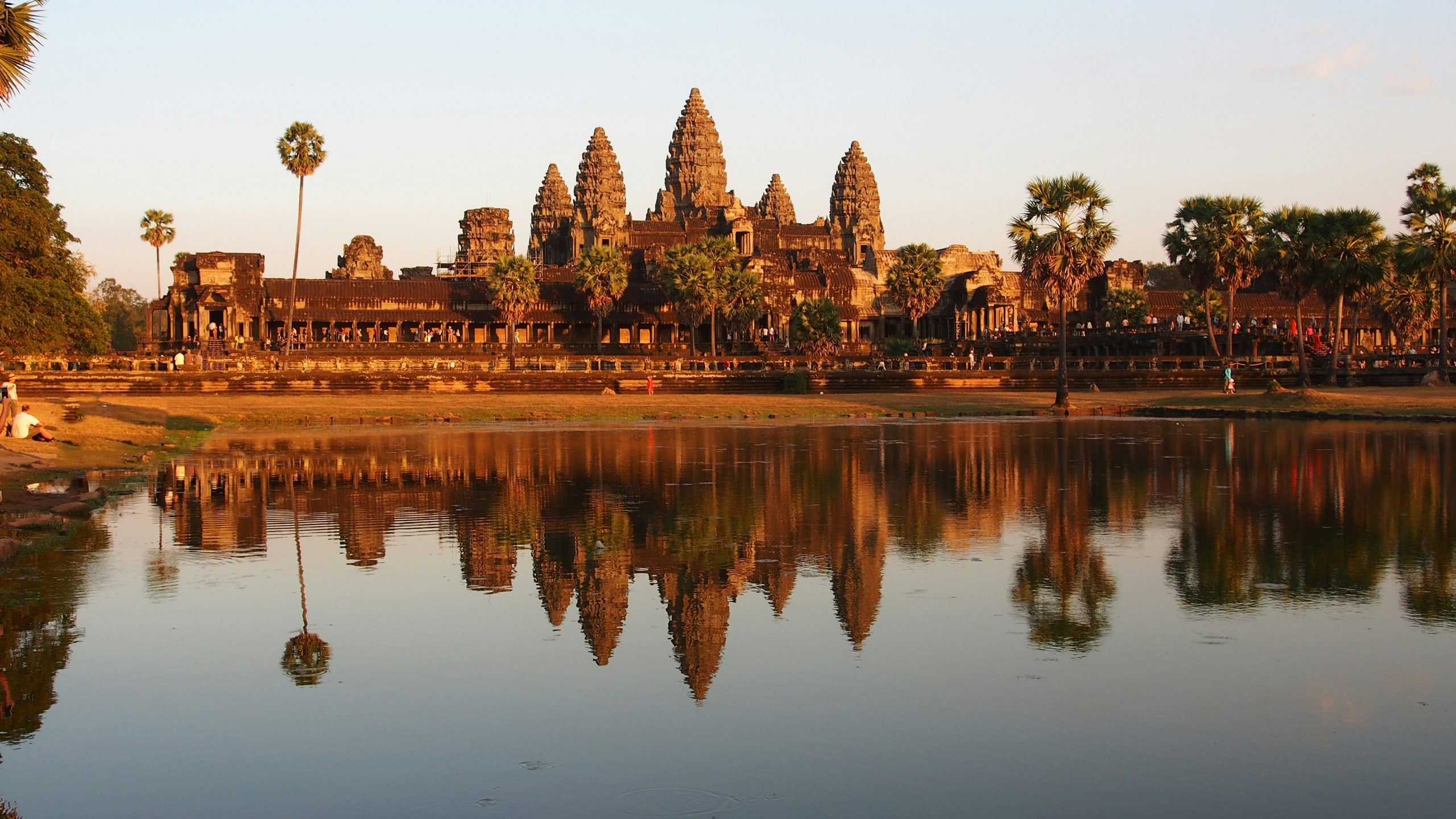
After discovering destinations such as Hanoi, Ha Long Bay, Hoi An or Ho Chi Minh City, travellers can continue to Cambodia to explore the temples of Angkor in Siem Reap, experience the atmosphere of Phnom Penh or discover the country’s quieter countryside.
Vietnam and Cambodia work particularly well together for travellers interested in ancient heritage, local culture and immersive experiences, while the Mekong provides a natural geographical and cultural connection between the two countries.
Vietnam & Laos
For a slower and more atmospheric journey, Vietnam can be combined with Laos.
Travellers can move from Vietnam’s energetic cities and diverse landscapes towards the peaceful surroundings of Luang Prabang, where Buddhist temples, traditional architecture and the Mekong create a very different rhythm of travel.
A Vietnam–Laos combination can also include waterfalls, rural landscapes, river journeys and encounters with local communities, making it particularly appealing to travellers looking for culture and nature away from larger tourist centres.
Vietnam & Thailand
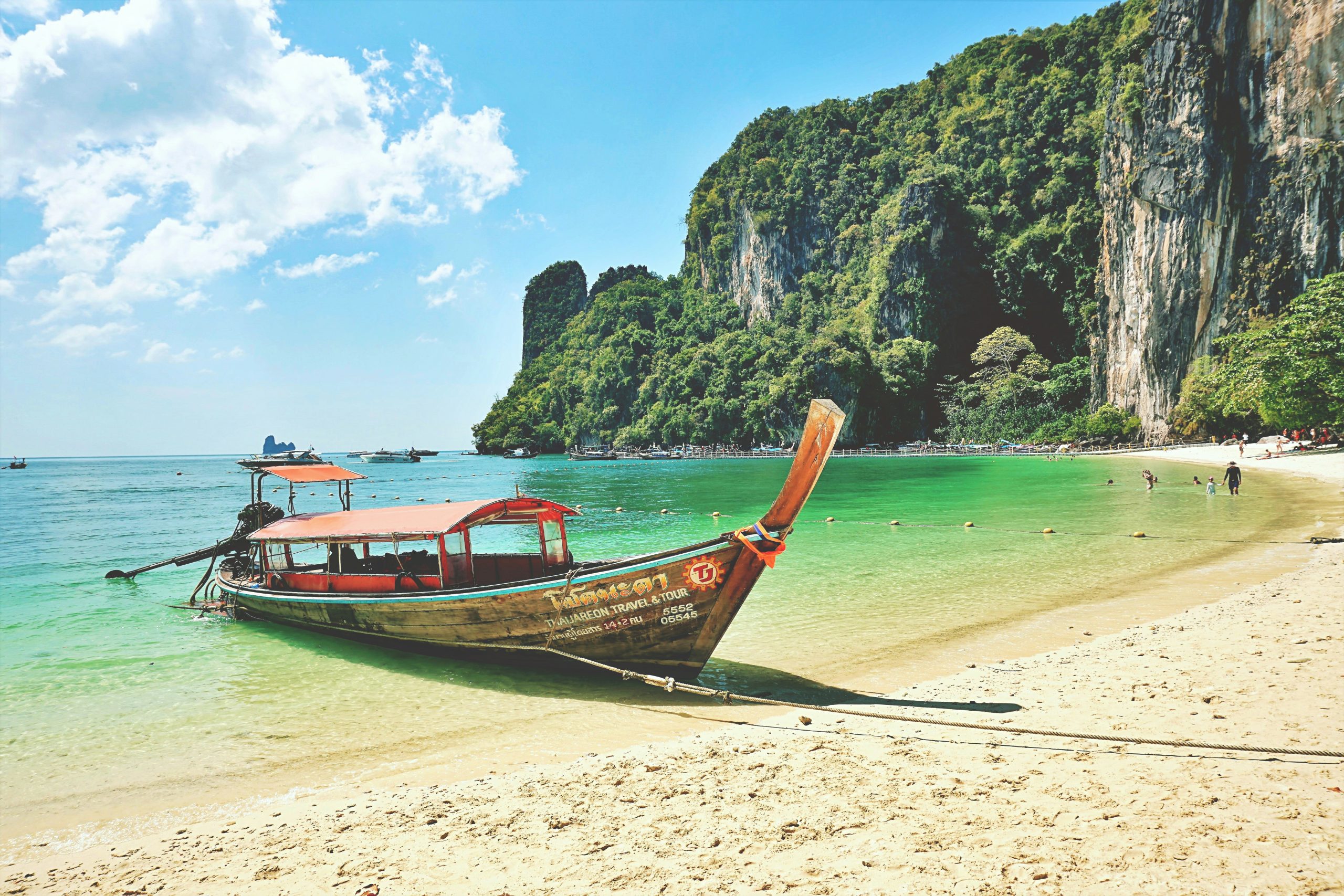
Vietnam and Thailand offer an opportunity to combine cultural discovery with vibrant cities and tropical escapes.
A journey might begin in Vietnam with historic towns, local food and cultural experiences before continuing to Bangkok, exploring northern Thailand or relaxing on one of the country’s many islands and beaches.
This combination is particularly flexible, allowing travellers to create anything from a short cultural extension to a longer journey combining cities, heritage, nature and coastal relaxation.
Combining Multiple Countries
For travellers with more time, Vietnam can also form part of a journey through three or more countries.
A longer itinerary could combine Vietnam and Cambodia with Laos or Thailand, creating a varied journey across different landscapes and cultures. The route can be adapted around the traveller’s interests, whether the priority is heritage, food, nature, beaches, adventure or simply discovering different ways of life.
The key is to create a balanced itinerary rather than trying to fit too much into a limited amount of time. Some destinations deserve several nights, while others work naturally as shorter extensions.
Travel Planning & Connections
Multi-country travel requires more than simply adding flights between destinations. The order of the itinerary, travel times, internal connections and time spent in each destination all influence how smoothly the journey flows.
Starting in Hanoi, Ho Chi Minh City or Da Nang can offer different possibilities depending on the countries included and the experiences travellers want to prioritise.
Viettourist can coordinate accommodation, transportation, guides, domestic and international connections and local experiences across the itinerary, creating a seamless journey rather than a collection of separate bookings.
When to Travel
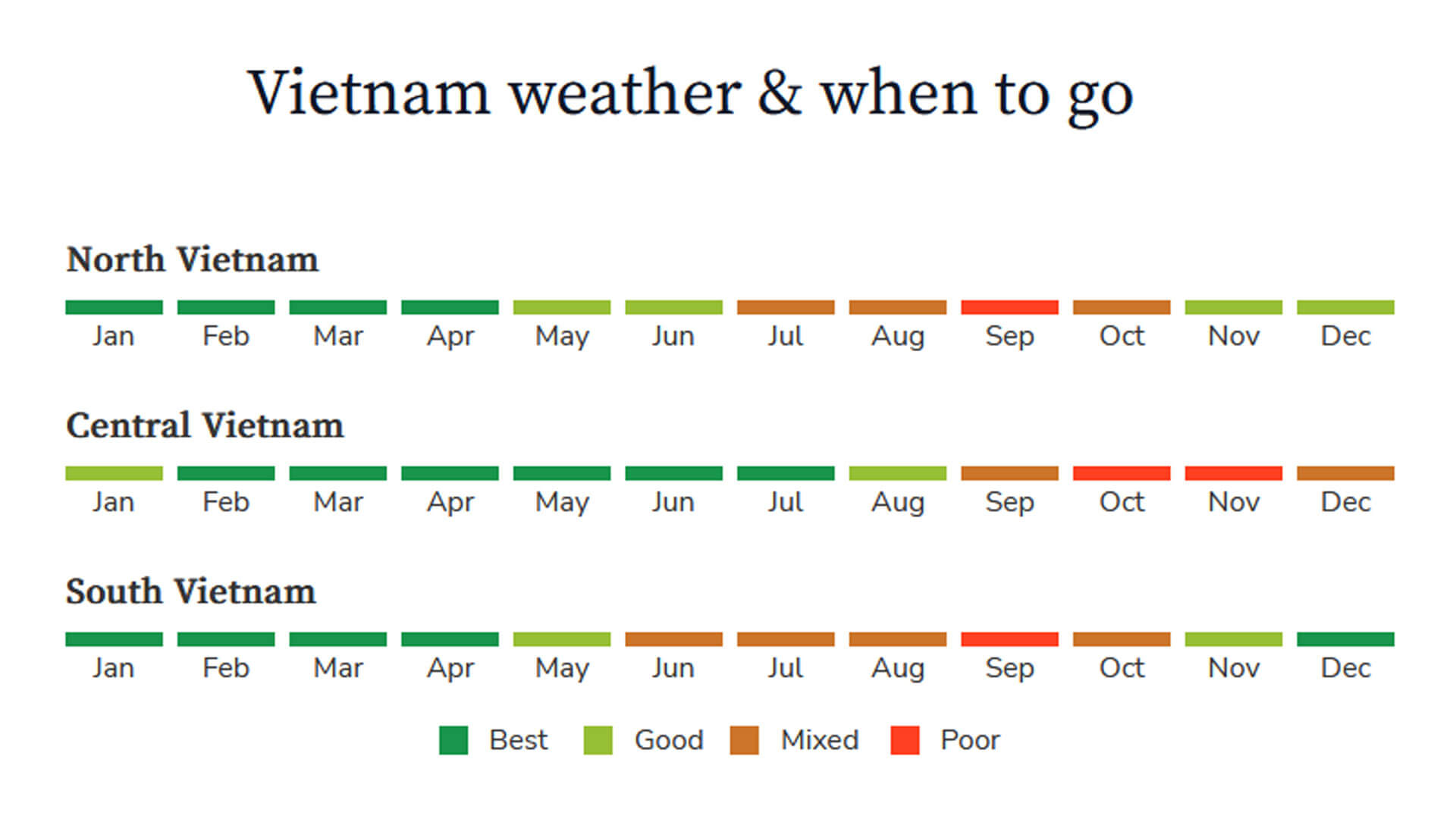
Because Vietnam, Cambodia, Laos and Thailand each have different regional climates, the ideal travel period depends on the countries and destinations included in the itinerary.
November to February: Cooler & Drier Conditions
Generally favourable for travelling across mainland Southeast Asia, with more comfortable temperatures in many destinations. This is a popular period for cultural sightseeing, outdoor activities and multi-country journeys.
March to May: Warmer Conditions
Temperatures rise across much of the region, making this a good period for travellers who enjoy warmer weather and coastal destinations. It is important to consider regional differences when planning a longer itinerary.
June to October: Green Season
Rainfall becomes more frequent across many parts of Southeast Asia, but the region remains very appealing. Landscapes are lush, and short rain showers can often be incorporated into a flexible itinerary.
For multi-country journeys, Viettourist can recommend the most suitable route and combination based on the travel dates, destinations and experiences you want to include.
Your Journey, Your Way
There is no single way to combine Vietnam with the rest of Southeast Asia.
You might spend two weeks discovering Vietnam before adding the temples of Cambodia, combine Vietnam with the quieter landscapes of Laos, or finish a cultural journey with time on a Thai island. Longer journeys can bring several countries together while still leaving enough time to experience each destination properly.
Viettourist can tailor the itinerary around your interests, pace and travel style, creating a seamless journey that begins in Vietnam and continues wherever your journey takes you.