Southeast Asia
Discover Southeast Asia: Where Every Journey Reveals a Different World
Few regions offer such a rich contrast of landscapes, cultures and ways of life as Southeast Asia. Within a single journey, bustling cities can give way to quiet rivers, ancient temples, mountain landscapes, tropical islands and villages where traditions have been passed down through generations.
From the energy of Vietnam to the temples of Cambodia, the peaceful waterways of Laos, the vibrant cities and islands of Thailand and the remarkable heritage of Myanmar, each country has its own rhythm, character and stories to discover.
Travelling through Southeast Asia is not simply about ticking countries off a map. It is about the experiences in between: sharing a meal at a local table, watching life unfold along the Mekong, wandering through an ancient temple, travelling through the countryside or discovering a city after sunset.
The region also lends itself to many different ways of travelling. You might follow a cultural journey through historic cities and archaeological sites, combine nature and adventure, slow down with a wellness escape, discover Southeast Asia through its cuisine, or create a private journey shaped entirely around your interests.
Countries can be explored individually or connected into a longer itinerary, with the route and pace adapted to the time you have and the experiences you want to discover.
With local expertise across the region, Viettourist creates tailor-made journeys that bring together accommodation, transportation, guides and experiences while keeping the character of each destination at the heart of the journey.
One region. Many stories. Your journey.
Sights
Map
Info
A Region of Contrasts
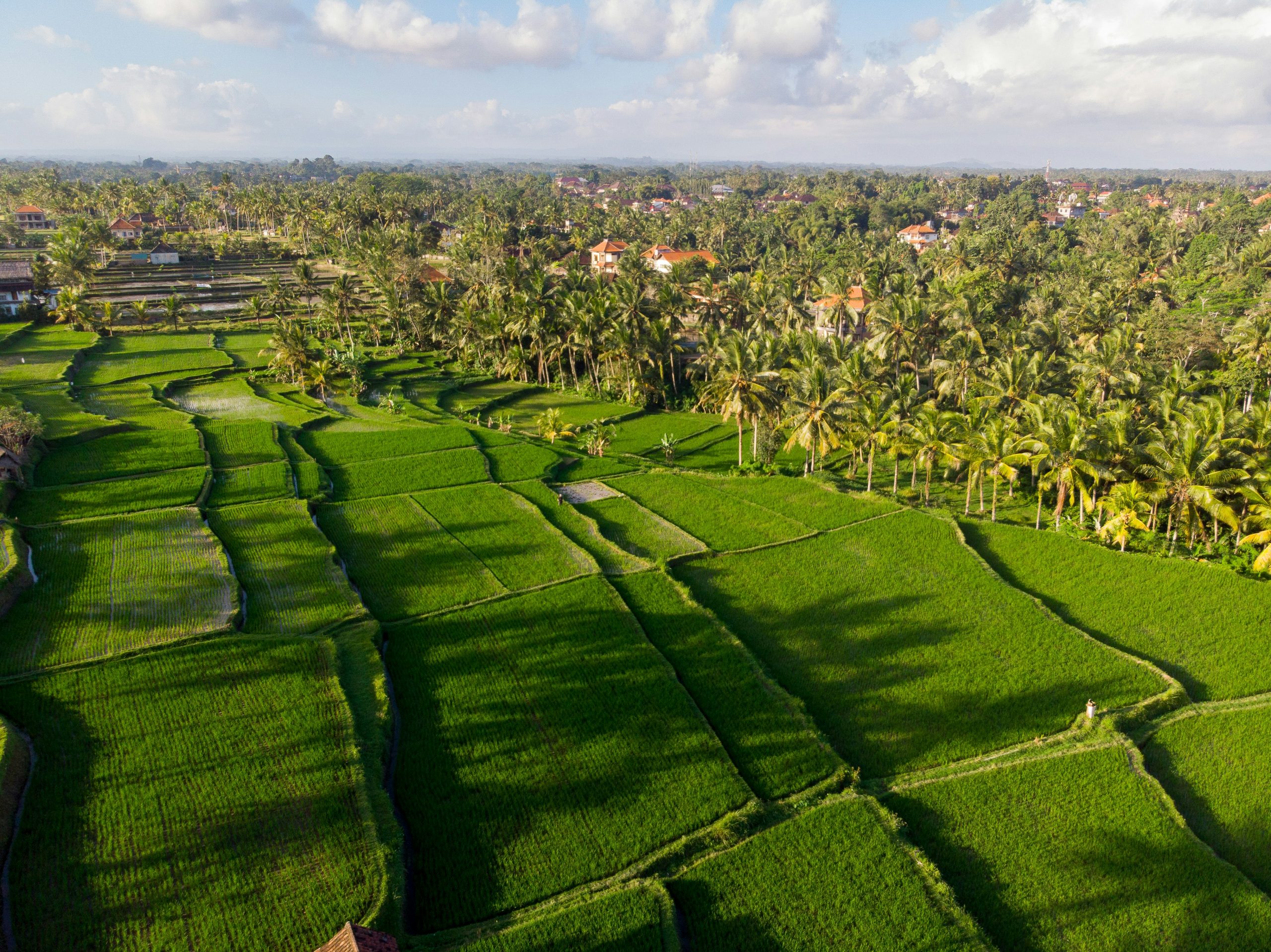
Southeast Asia is a region where ancient traditions and modern life exist side by side. From bustling cities and historic capitals to quiet villages, tropical coastlines and mountain landscapes, travelling across the region reveals an extraordinary variety of cultures and environments.
Each country has its own identity, yet rivers, trade routes, shared histories and centuries of cultural exchange have created connections that can still be felt today.
Vietnam: Culture, Landscapes & Everyday Life
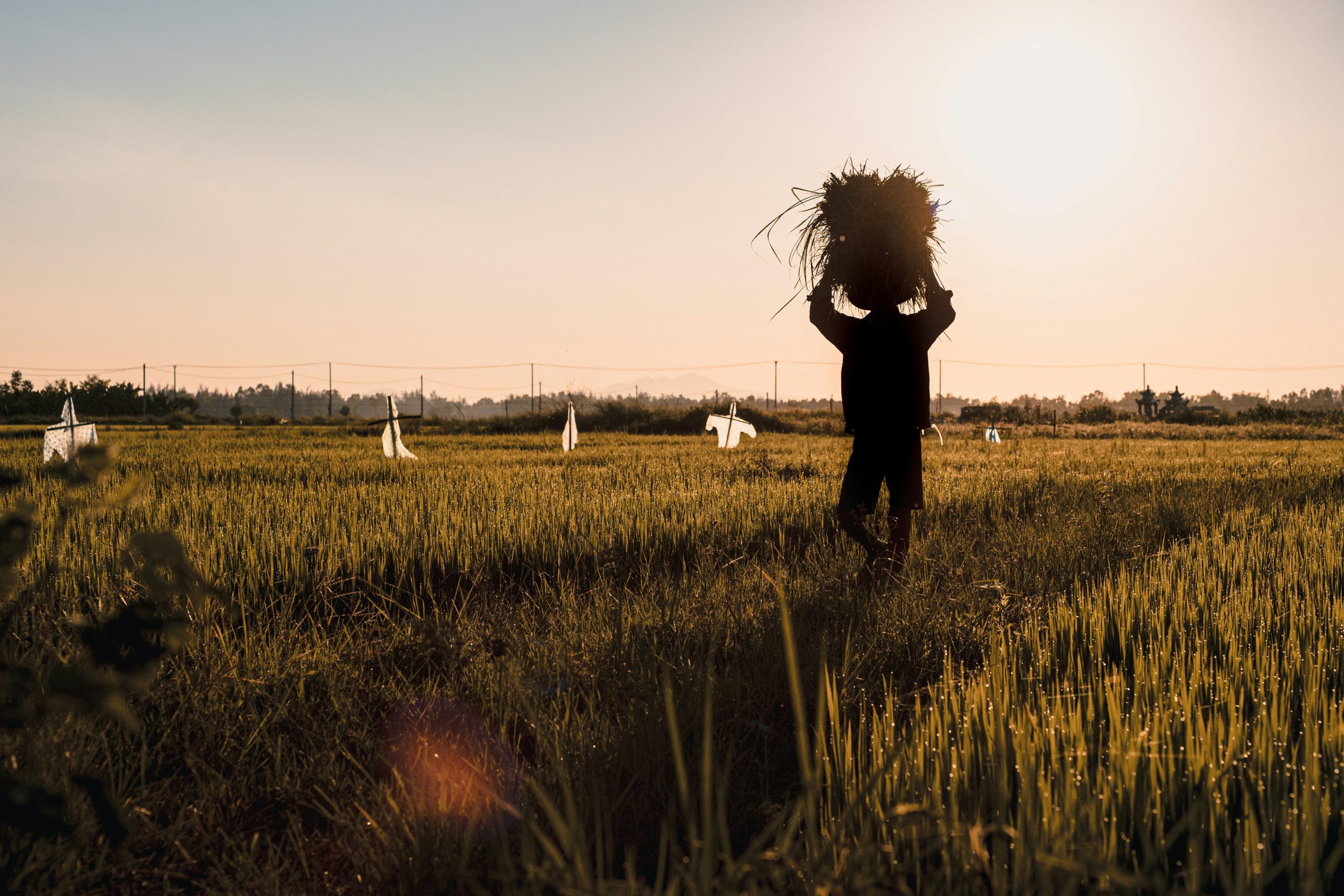
Vietnam stretches from the mountains of the north to tropical islands in the south, offering an extraordinary variety of landscapes and experiences within one country.
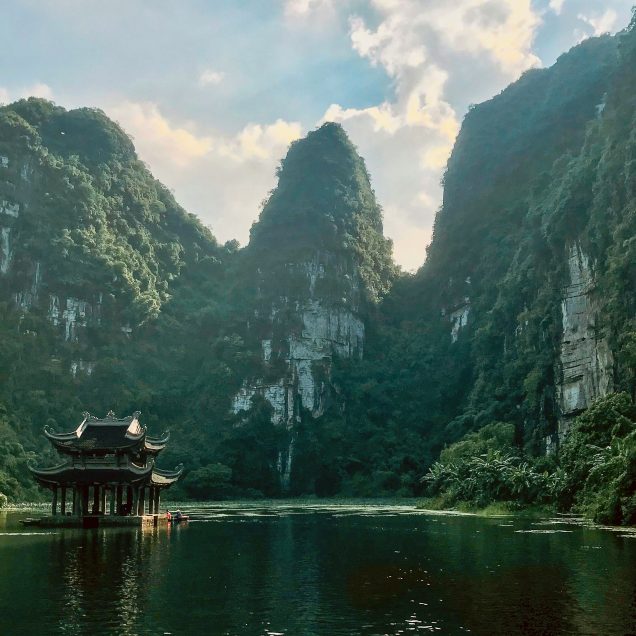
Travellers can explore historic cities, rice terraces, limestone landscapes and long coastlines while discovering Vietnam’s distinctive cuisine and vibrant everyday culture. From Hanoi and Ninh Binh to Hoi An, Ho Chi Minh City and the Mekong Delta, every region offers a different perspective on Vietnamese life.
Cambodia: Ancient Heritage & Rural Landscapes
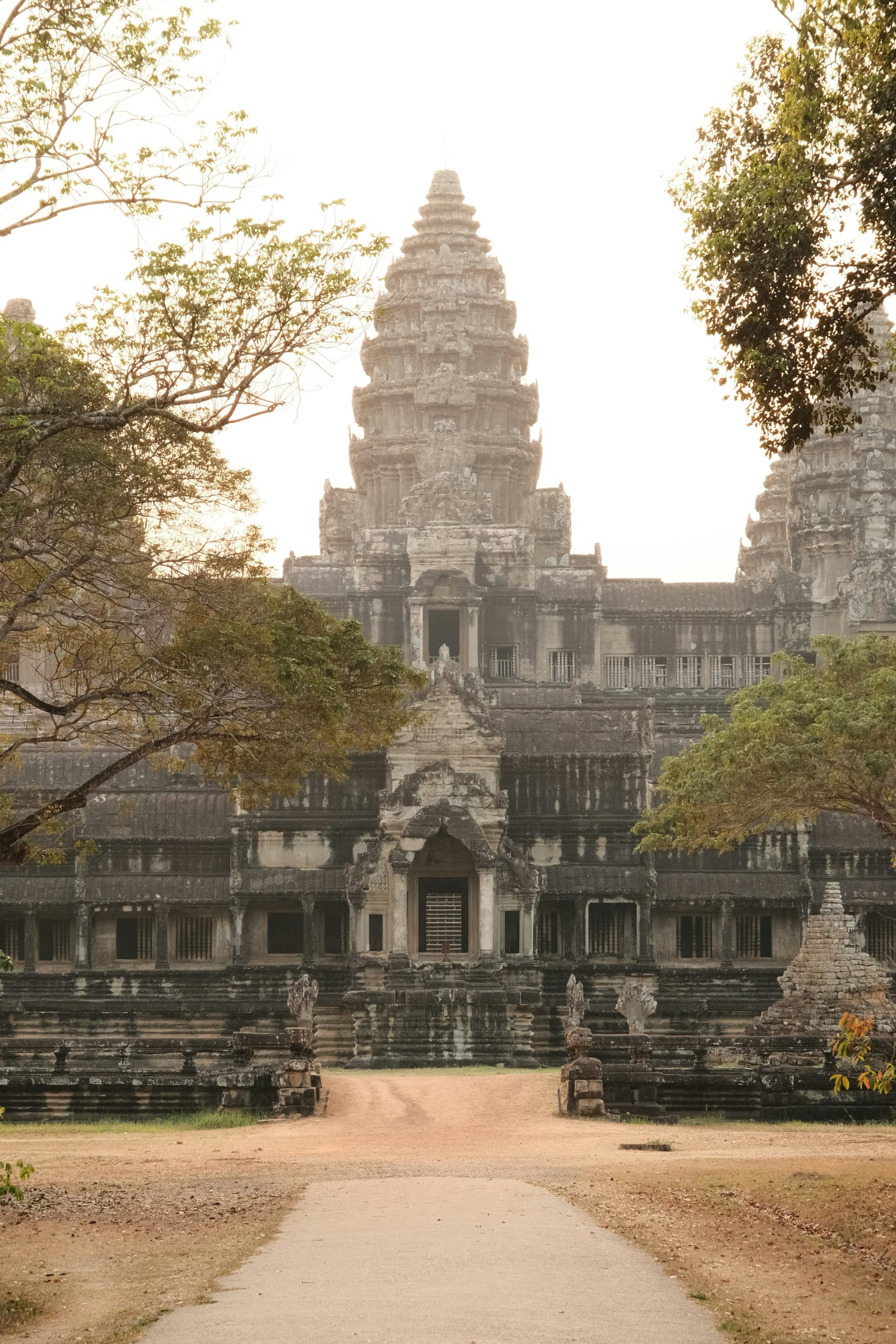
Cambodia is perhaps best known for the extraordinary temples of Angkor, but its story extends far beyond its archaeological heritage.
In Siem Reap, travellers can explore the temples and surrounding countryside, while Phnom Penh offers insight into Cambodia’s more recent history and contemporary life. Beyond the cities, rural landscapes, floating communities and the Mekong reveal a quieter side of the country.
Cambodia is particularly rewarding for travellers interested in history, archaeology, culture and local traditions.
Laos: Rivers, Mountains & A Slower Rhythm
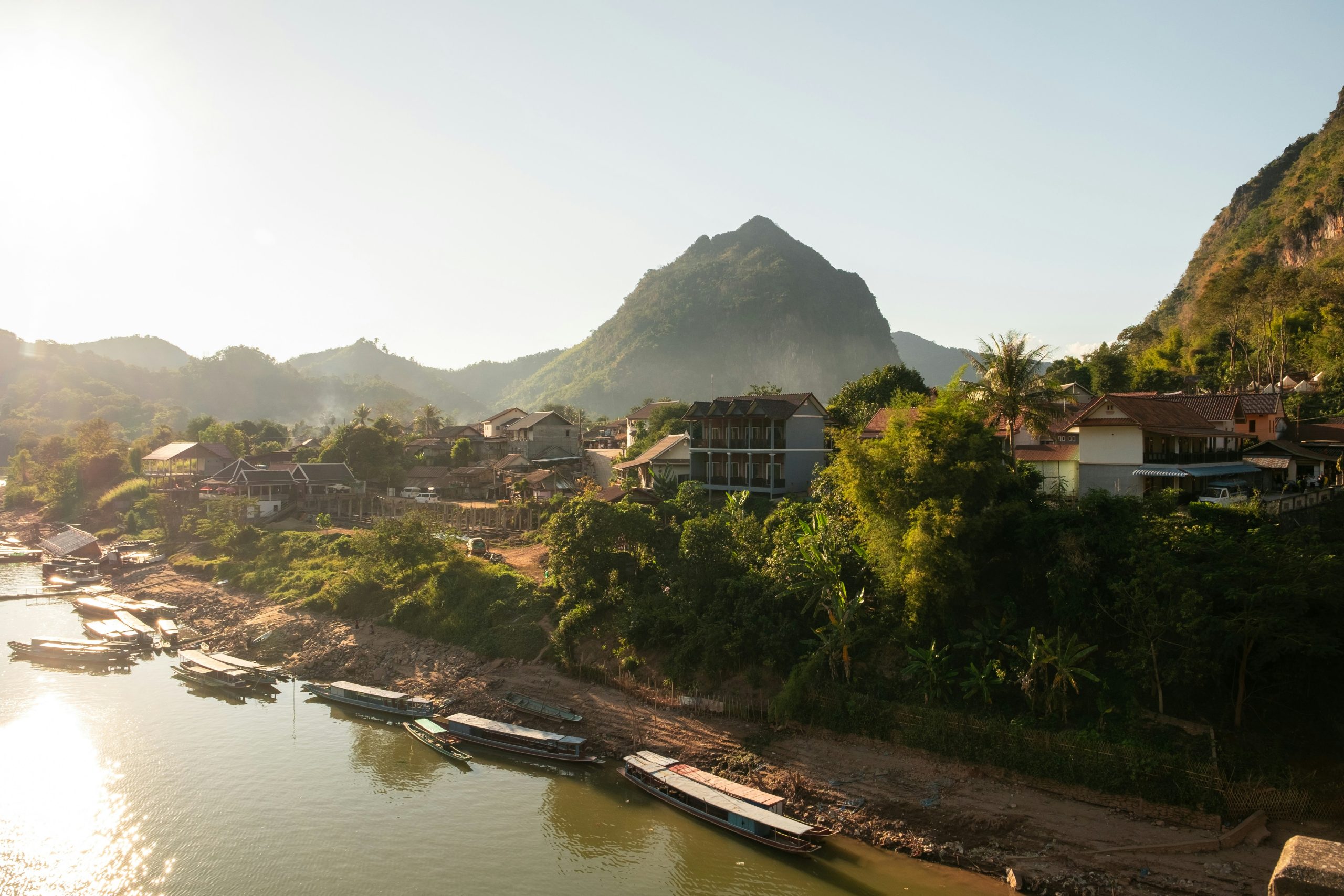
Landlocked and shaped by the Mekong, Laos offers a more peaceful rhythm of travel.
The historic town of Luang Prabang combines Buddhist temples, traditional architecture and French colonial influences, while the countryside opens into mountains, waterfalls, forests and rural communities.
River journeys, local markets and encounters with village life provide opportunities to experience Laos at a slower pace, making it an appealing destination for travellers seeking nature, culture and tranquillity.
Thailand: Cities, Culture & Tropical Escapes
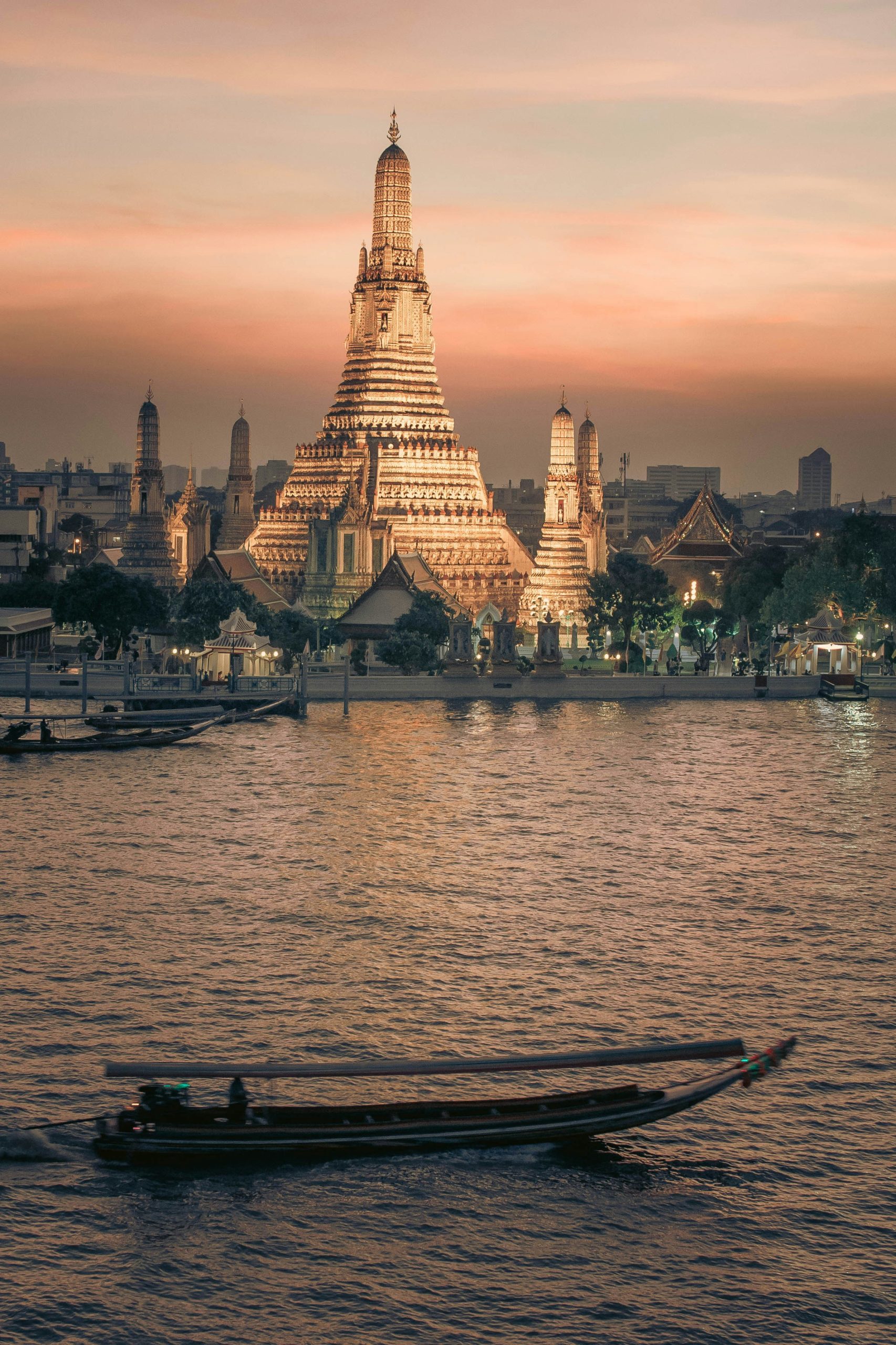
Thailand combines energetic cities, historic temples, rich culinary traditions and tropical coastlines.
Bangkok offers an intense introduction to contemporary Thai life, with temples, markets, street food and the Chao Phraya River woven into the city. Further north, destinations such as Chiang Mai offer a different atmosphere, while the country’s islands and beaches provide opportunities for relaxation and coastal exploration.
Thailand’s variety makes it possible to combine cultural discovery with nature, wellness, food and beach experiences.
Myanmar: Heritage & Timeless Landscapes
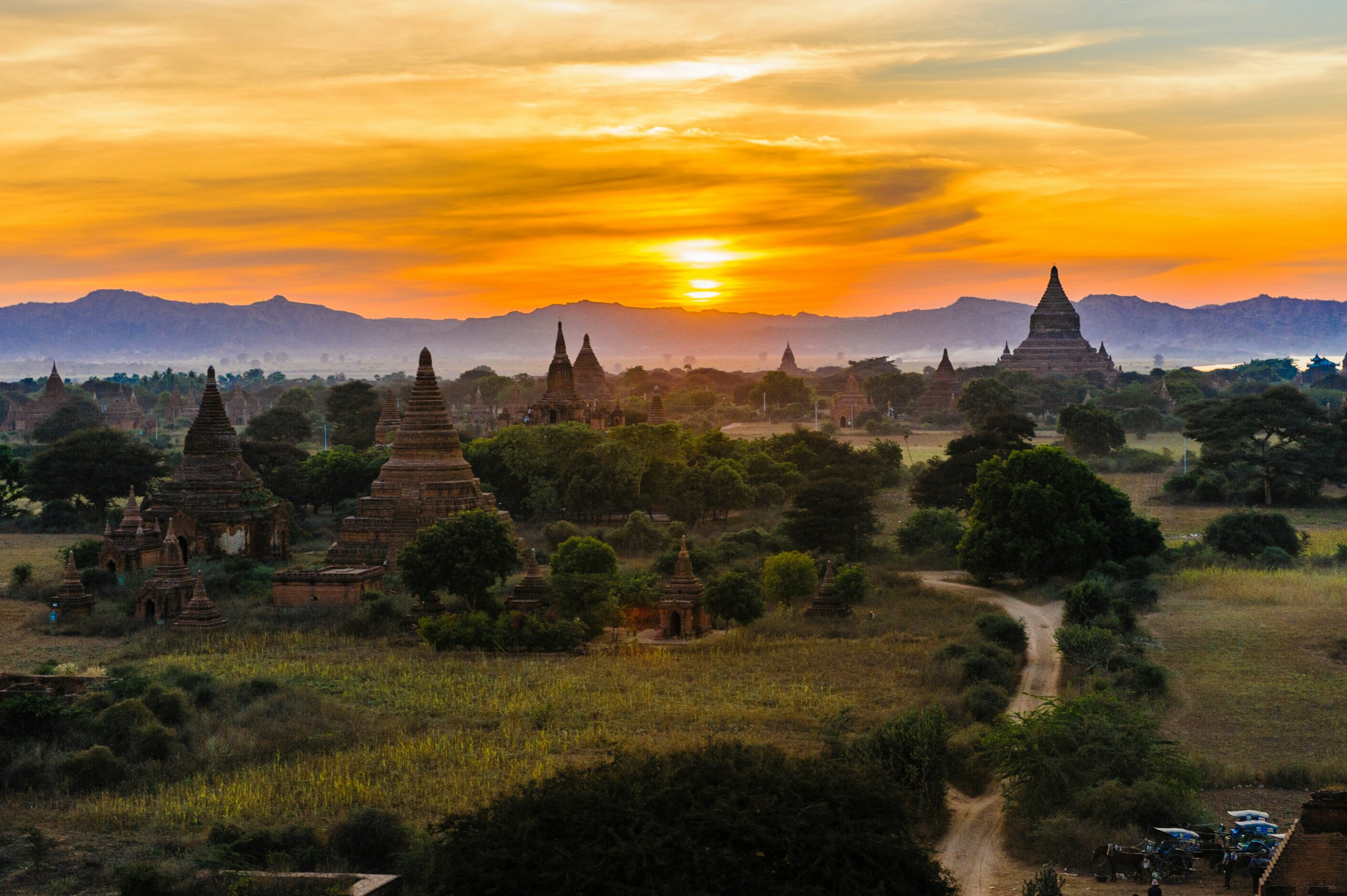
Myanmar offers travellers a glimpse into a distinctive cultural heritage shaped by Buddhism, ancient kingdoms and diverse ethnic traditions.
The temples and pagodas of Bagan create one of the region’s most remarkable historical landscapes, while destinations such as Mandalay and Inle Lake reveal different aspects of the country’s culture and natural environment.
For travellers interested in history, architecture and traditional ways of life, Myanmar offers experiences far removed from the region’s busiest tourist centres.
Beyond the Famous Highlights
Southeast Asia’s most memorable experiences are not always found at its most famous landmarks.
Travelling through local markets, tasting regional dishes, taking a boat along a river, cycling through the countryside or spending time in a village can reveal a much more personal side of the region.
The diversity of Southeast Asia also means that journeys can be adapted to different interests. Travellers can focus on heritage and culture, combine nature and adventure, slow down with wellness and relaxation, explore the region through its cuisine or create a journey centred around golf and premium experiences.
Travelling Across Southeast Asia
The region’s extensive network of international and regional connections makes multi-country travel possible, but a good itinerary is about more than simply adding destinations together.
The most rewarding journeys leave enough time to experience each place properly, balancing travel time with meaningful experiences. Depending on the route, travellers can move between major cities, cultural centres, rural landscapes and coastal destinations while maintaining a comfortable pace.
Viettourist can coordinate the different elements of a multi-country journey, including accommodation, transportation, guides, activities and local experiences, creating a coherent itinerary while allowing each destination to retain its own character.
When to Travel
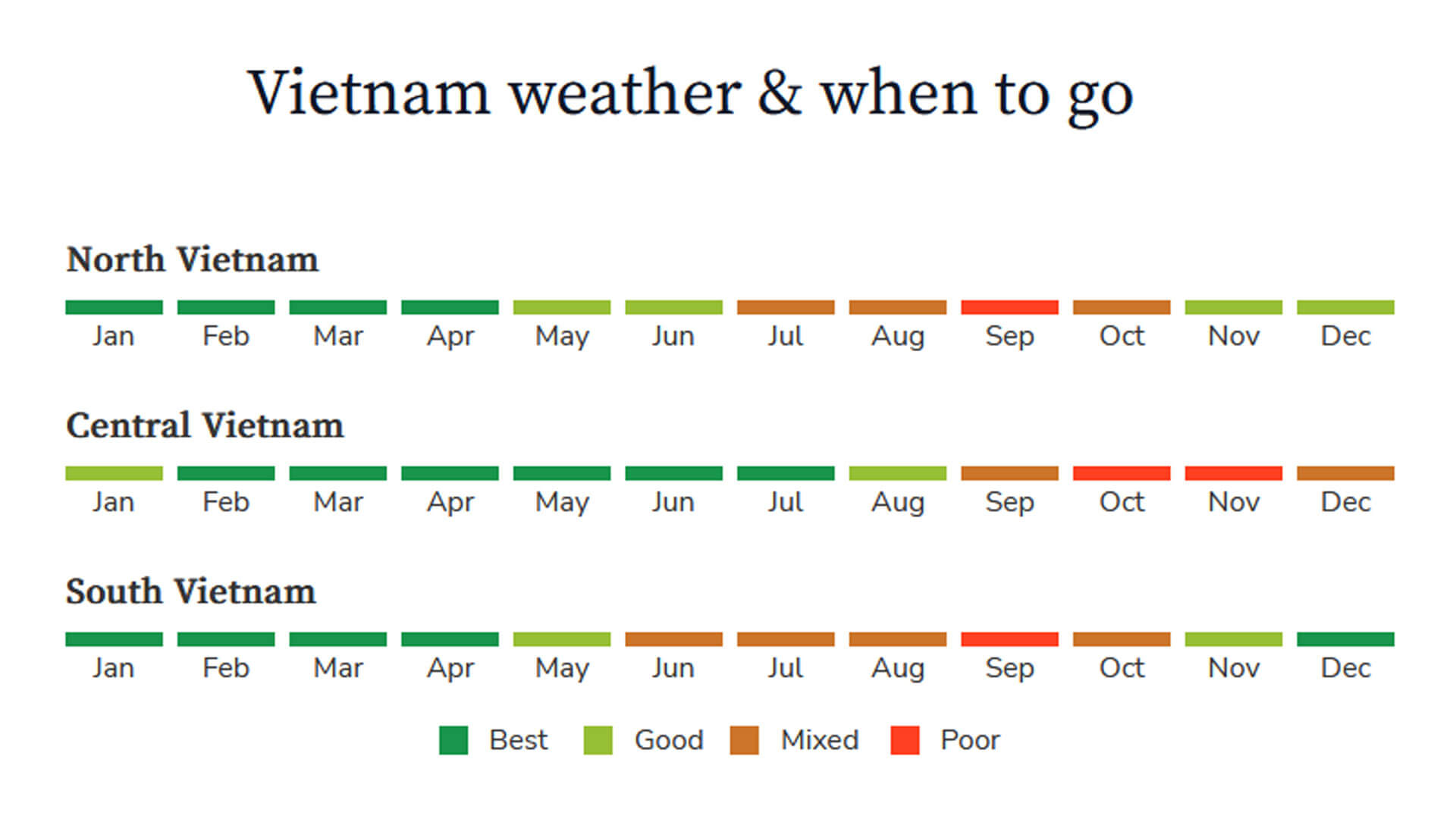
Southeast Asia covers a large geographical area, so weather conditions vary considerably between countries and regions. There is no single ideal travel period for the entire region.
November to February: Cooler & Drier
Generally favourable conditions across many mainland destinations, with comfortable temperatures in much of Vietnam, Cambodia, Laos and Thailand. This is a popular period for cultural sightseeing, outdoor activities and multi-country journeys.
March to May: Warmer Conditions
Temperatures rise across much of mainland Southeast Asia. This period can be particularly suitable for travellers interested in coastal destinations, although conditions can become very hot in some areas.
June to October: Green Season
Rainfall becomes more frequent across many destinations, bringing lush landscapes and fewer visitors in some areas. Rain often arrives in short showers, although conditions vary considerably by country and region.
For a multi-country itinerary, travel dates should be considered alongside the specific countries and destinations included in the journey.
Experience Southeast Asia Your Way
There is no single way to discover Southeast Asia.
You can focus on ancient heritage and historic cities, explore mountains and forests, follow the Mekong, discover regional cuisines, relax on tropical islands or combine several countries into one carefully paced journey.
Viettourist can tailor your experience around your interests, travel style and available time, creating a journey that connects destinations naturally while giving you the freedom to discover each place in its own way.