


Experience the magic of Con Dao with a 2 day tour! Witness sea turtles nesting at night, snorkel among coral reefs, and release baby turtles into the ocean at sunrise.



2
Experience the magic of Con Dao with a 2 day tour! Witness sea turtles nesting at night, snorkel among coral reefs, and release baby turtles into the ocean at sunrise.
Join our 2-day Con Dao turtle conservation tour for a once-in-a-lifetime experience! Snorkel in crystal-clear waters, explore Bay Canh Island’s turtle incubation site, and witness sea turtles laying eggs at night. Wake up early to release baby turtles into the ocean, supporting conservation efforts while immersing yourself in nature’s wonders.
Transfer from the port to Bay Canh Island
Depart from the port by boat and enjoy a scenic ride to Bay Canh Island, an important site for sea turtle conservation, surrounded by pristine nature.
Snorkel to explore vibrant coral reefs
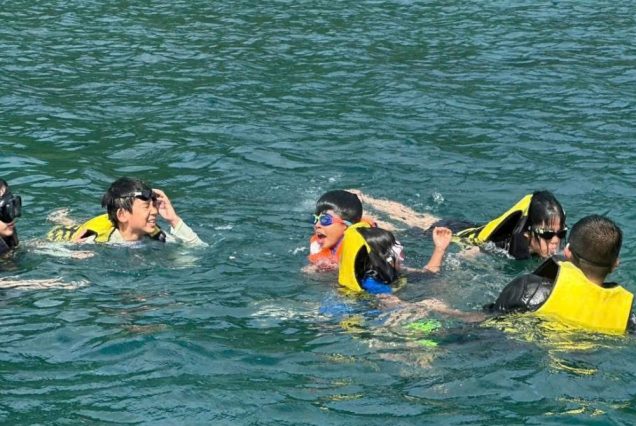
Upon arriving at Bay Canh Island, enjoy snorkeling in its crystal-clear waters, where vibrant coral reefs and a rich array of marine life await. The island offers one of the best spots for underwater exploration, perfect for both beginners and nature lovers.
While snorkeling, you’ll also hear the story of how El Niño has affected the marine ecosystem. Your guide will explain how rising sea temperatures have led to coral bleaching, disrupted marine biodiversity, and challenged the health of reef systems—giving you a deeper appreciation for the fragile beauty beneath the waves.
Tour Bay Canh Island
Explore the island while gaining in-depth insights into its sea turtle conservation program—a meaningful journey connecting nature, wildlife, and community-based efforts.
You’ll visit the sea turtle incubation area, where eggs are carefully monitored and protected throughout their development. Your guide will explain the challenges faced in sea turtle conservation, including threats from climate change, pollution, and human activity, as well as the specific steps taken to safeguard these endangered species.
During the experience, you’ll:
The journey also takes you into the mangrove forests that fringe the island—a vital ecosystem that protects coastlines, filters water, and provides habitat for countless aquatic species.
Check-in, dinner, and rest.
Evening Wildlife Observation
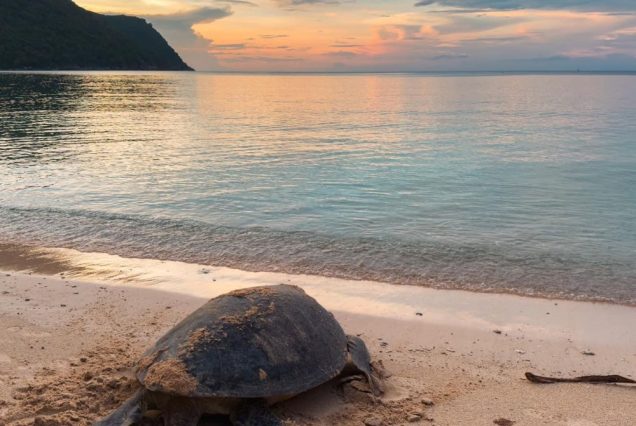
A Rare Moment – Witness Sea Turtle Nesting.
Release more baby turtles into the ocean
Release Baby Turtles into the Ocean In the early morning, you may have the special opportunity to join a baby sea turtle release, helping the hatchlings make their first journey into the ocean under the soft light of dawn. This experience depends on natural hatching cycles, so if the eggs happened to hatch the day before, you’re in luck — it's a rare and unforgettable chance to witness the very beginning of a sea turtle’s life. All releases are conducted under the supervision of conservation staff to ensure the safety of the turtles and minimize human impact on their natural behavior.
Return to the port
After the turtle release, return to the port, concluding your enriching experience on Bay Canh Island.
Contac us
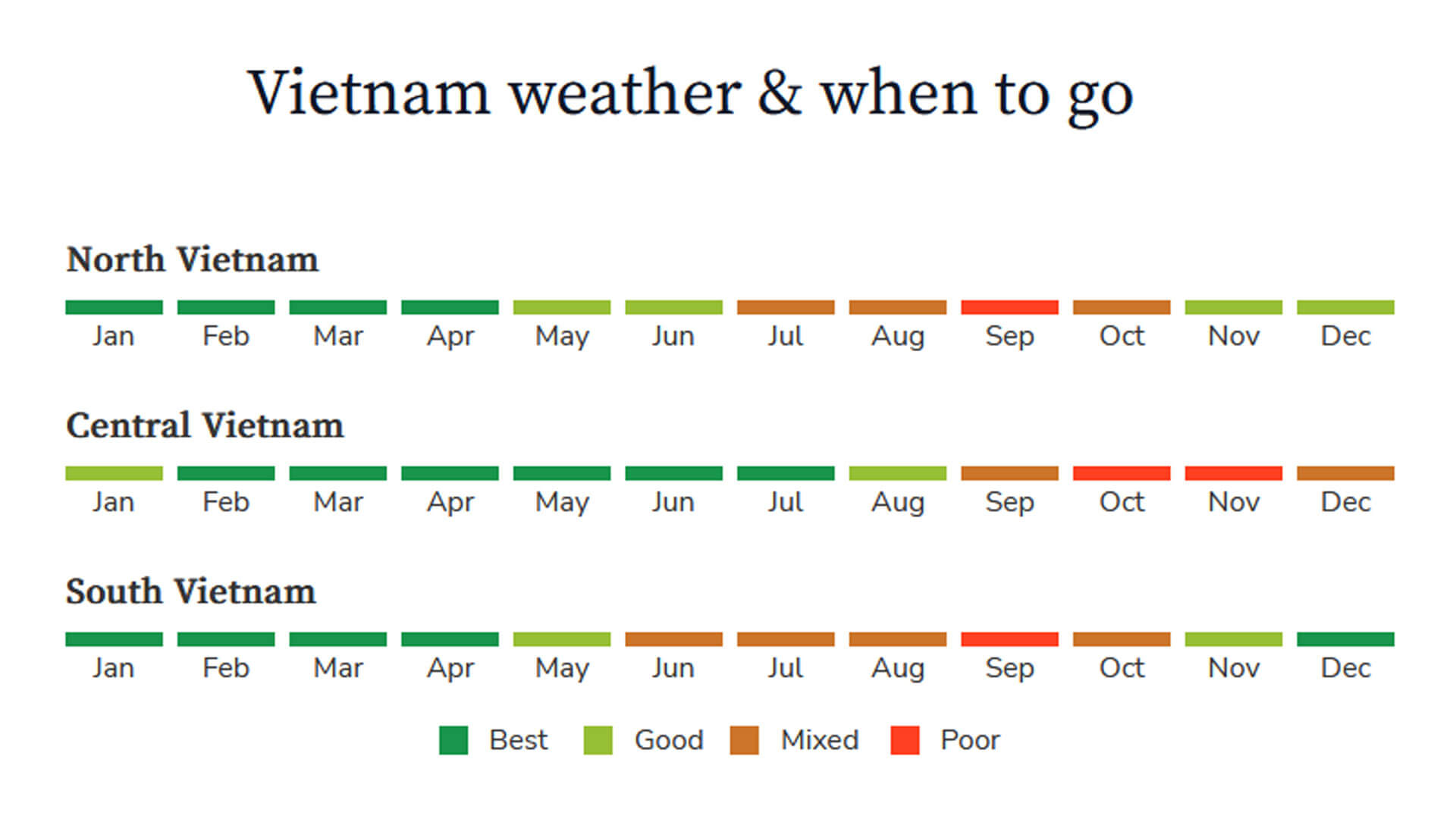
Wenn Sie Vietnam besuchen möchten, fragen Sie sich vielleicht, wie das Wetter in den verschiedenen Monaten ist. Es hängt davon ab, wohin Sie reisen und was Sie unternehmen möchten. Vietnam hat ein abwechslungsreiches Klima, daher gibt es keine allgemeingültige Antwort. Aber keine Sorge, ich gebe Ihnen einen allgemeinen Überblick darüber, was Sie in den einzelnen Monaten erwartet, basierend auf den durchschnittlichen Wetterbedingungen. Sie können sich auch über die Feiertage und Veranstaltungen informieren, die in Vietnam jeden Monat stattfinden.
Januar
Dieser Monat ist gut geeignet, um das trockene und angenehme Wetter in den meisten Teilen Vietnams zu genießen, mit Ausnahme des Nordens. Dort kann es besonders morgens und abends recht kalt werden. Für Reisen nach Sapa und Ha Giang benötigen Sie warme Kleidung und Jacken. Wenn Sie Lust auf Strand haben, fahren Sie nach Phu Quoc, wo die Sonne immer scheint. Beachten Sie jedoch, dass die Halong-Bucht in diesem Monat neblig sein kann, sodass die Aussicht möglicherweise nicht optimal ist.
Februar
In den meisten Teilen Vietnams wird es wärmer, mit Ausnahme des Nordens, wo es noch kühl ist. Es ist Hochsaison für Touristen, also rechnen Sie mit mehr Menschenmassen und höheren Preisen. Es ist aber auch eine tolle Zeit, um das TET-Fest, das vietnamesische Neujahrsfest, zu erleben. Es ist ein großes Fest mit viel Essen, Feuerwerk und Spaß. Bedenken Sie jedoch, dass viele Geschäfte, Museen und Restaurants während des TET-Festes etwa eine Woche lang geschlossen sind.
Marsch
Dies ist einer der besten Monate für einen Vietnam-Besuch, da das Wetter überall fantastisch ist. Sie haben mehr Auswahl an Strandzielen wie Mui Ne, Con Dao und Nha Trang. Hoi An ist ebenfalls ein schöner Ort, um den Strand und die Altstadt zu genießen. Dies ist auch eine tolle Zeit für einen Besuch der Halong-Bucht, die in der Regel einen klaren, blauen Himmel und keinen Nebel bietet.
April
Wie der März ist auch der April ein großartiger Monat für eine Reise nach Vietnam, da das Wetter überall fantastisch ist. Dies ist auch die Hochsaison für Touristen, also seien Sie auf mehr Menschenmassen und höhere Preise vorbereitet.
Mai
Im Mai wird es zwar heißer, aber es ist immer noch eine gute Zeit, Vietnam zu besuchen, bevor die Regenzeit beginnt. Gegen Ende des Monats kann es im Norden und Süden etwas regnen, aber nichts Ernstes. Außerdem können Sie nach der Hochsaison von den niedrigeren Preisen profitieren.
Juni
Im Norden und Süden Vietnams kann es zwar etwas regnen, aber meist ist es nicht allzu schlimm. In Hanoi, Mai Chau und der Halong-Bucht können Sie die sonnigen Tage trotzdem genießen. Am schönsten ist es in Zentralvietnam, wo das Wetter noch trocken und sonnig ist. Entspannen Sie an den Stränden von Lang Co und Hoi An oder erkunden Sie die Landschaft und Kultur. Dies ist auch eine gute Reisezeit, bevor nächsten Monat die Schulferien beginnen.
Juli
Zentralvietnam ist im Juli immer noch der beste Ort, da es dort viel Sonnenschein und wenig Regen gibt. Im Rest von Vietnam kann es zwar ein paar Schauer geben, aber das wird Ihnen den Spaß nicht verderben.
August
Zentralvietnam ist im August immer noch ein gutes Reiseziel, obwohl es gegen Ende des Monats noch etwas regnen könnte. Auch im Rest von Vietnam kann es etwas regnen, aber es ist nicht allzu schlimm. In der Nebensaison gibt es außerdem einige Rabatte auf Flüge und Hotels.
September
Dieser Monat ist gut geeignet, um die letzten Sonnenstrahlen an der Zentralküste Vietnams zu genießen, bevor es zu regnerisch wird. Im Norden und Süden ist es in diesem Monat normalerweise sehr regnerisch, aber man kann trotzdem noch einige Schnäppchen bei Hotels finden.
Oktober
Im Oktober wird das Wetter im Norden Vietnams besser, und dies ist eine großartige Zeit, um Orte wie Sapa oder Ha Giang zu besuchen. Bewundern Sie die atemberaubende Landschaft mit Reisterrassen, Tälern und Bergen, die je nach Jahreszeit ihre Farbe ändern. Sie können auch wandern, Rad fahren oder bei den Einheimischen wohnen. Für Strandliebhaber ist dieser Monat nicht besonders geeignet, aber Vietnam hat so viel mehr zu bieten als nur Strände. Und wer im Oktober reist, vermeidet die Menschenmassen.
November
Die Hochsaison beginnt wieder im November, da viele Menschen wegen der kühleren Wintermonate im Norden Vietnams nach Vietnam kommen. Gegen Ende des Monats ist es in den meisten Teilen Vietnams wieder heiß und trocken, mit Ausnahme der Zentralregion, wo es etwas regnen kann.
Dezember
Im Dezember besteht in Zentralvietnam noch Regenwahrscheinlichkeit; in den meisten Teilen Vietnams ist es jedoch wieder heiß und trocken. Auf der Insel Phu Quoc beginnt die Strandsaison wieder. Buchen Sie frühzeitig für die Weihnachtszeit, da es dann sehr voll werden kann.