Laos

Discover Laos: Where Life Moves at a Slower Rhythm

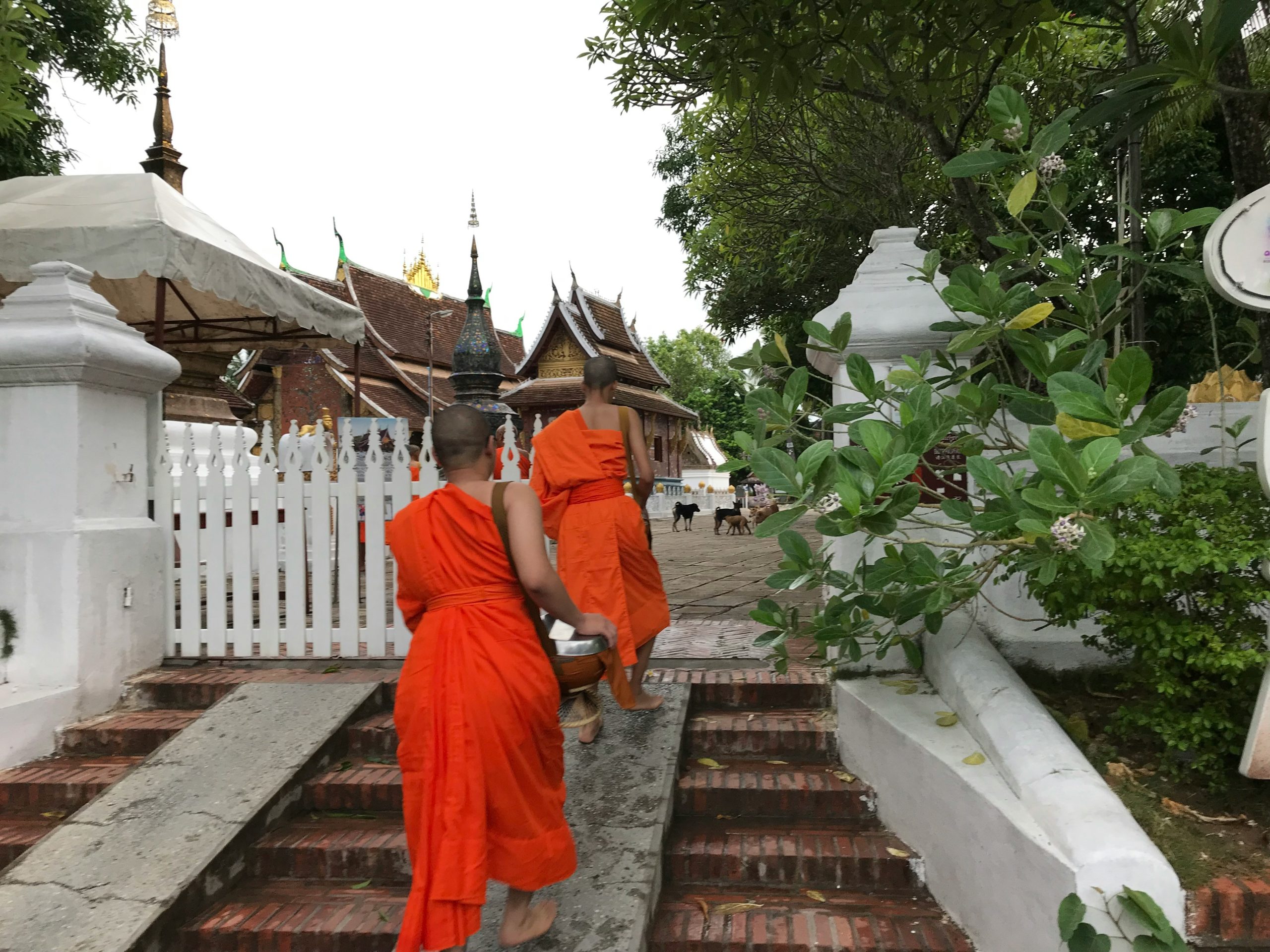
Laos is a country that invites you to slow down. From misty mountains and winding rivers to golden temples and quiet villages, its landscapes and traditions create a sense of calm that is increasingly rare to find. Here, the mighty Mekong flows through everyday life, monks walk quietly through ancient streets, and local communities continue traditions passed down through generations.

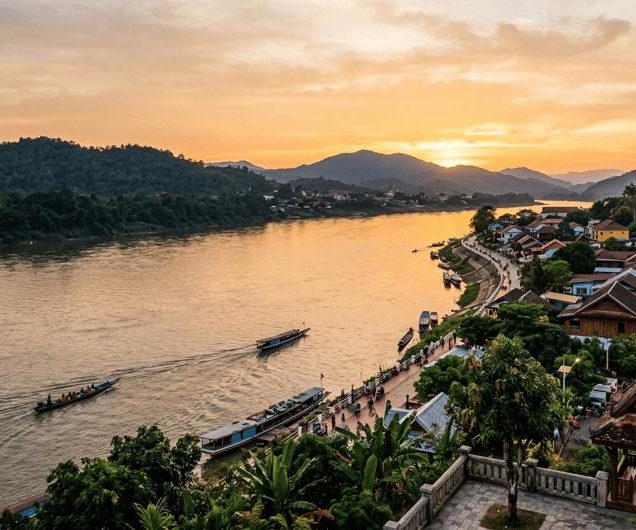
At the heart of the journey is Luang Prabang, where golden temples, French-colonial architecture and the rhythm of the Mekong come together in one of Southeast Asia’s most atmospheric towns. Beyond the city, Laos reveals another side of itself: dramatic mountain landscapes, hidden waterfalls, peaceful countryside and villages where life remains closely connected to nature.

Whether you come for culture, adventure, nature or simply the chance to travel at a different pace, Laos offers an experience that feels authentic, peaceful and deeply rewarding.

Attrazioni
Mappa

Informazioni

Places to Discover in Laos

Luang Prabang
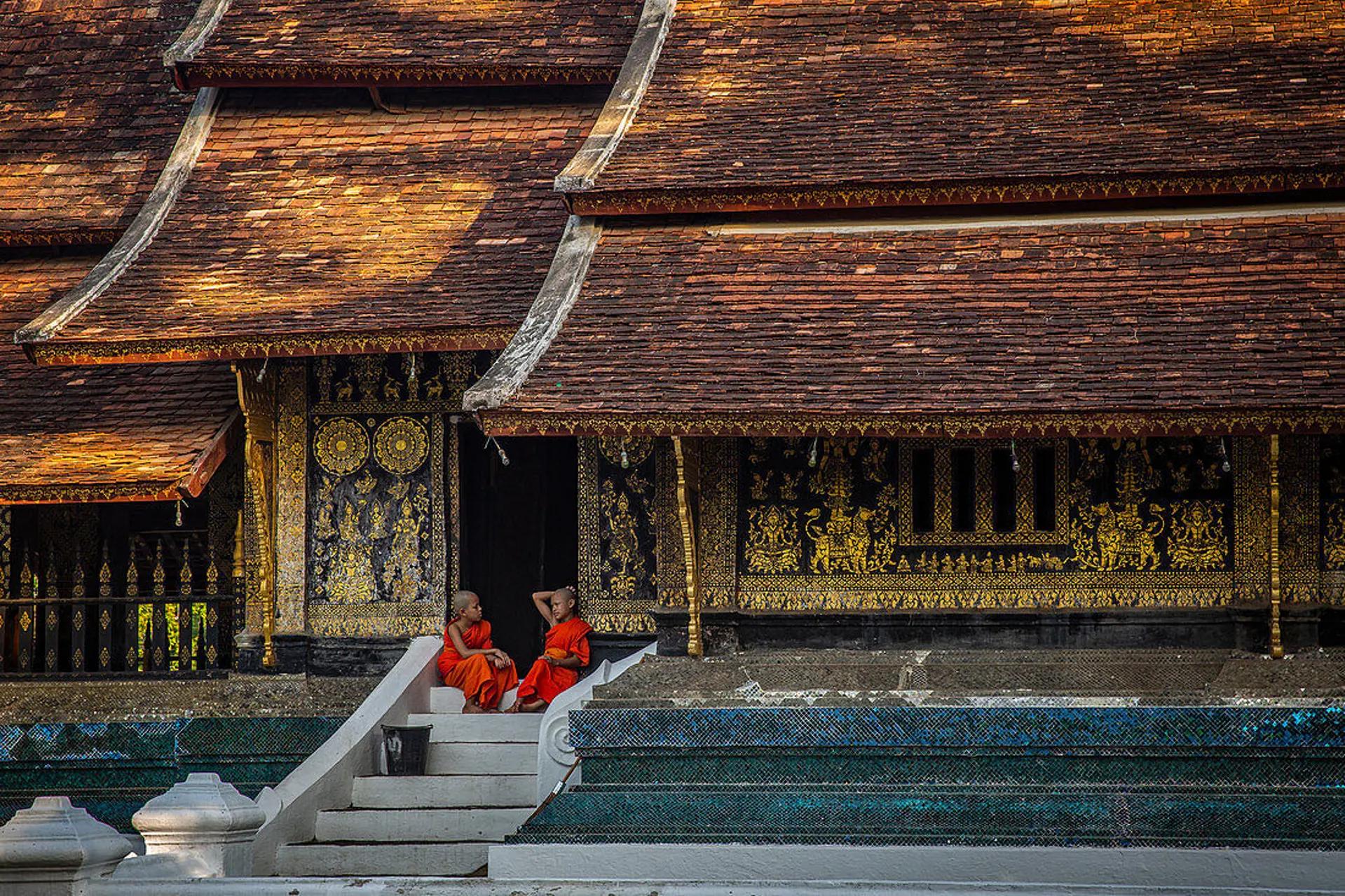
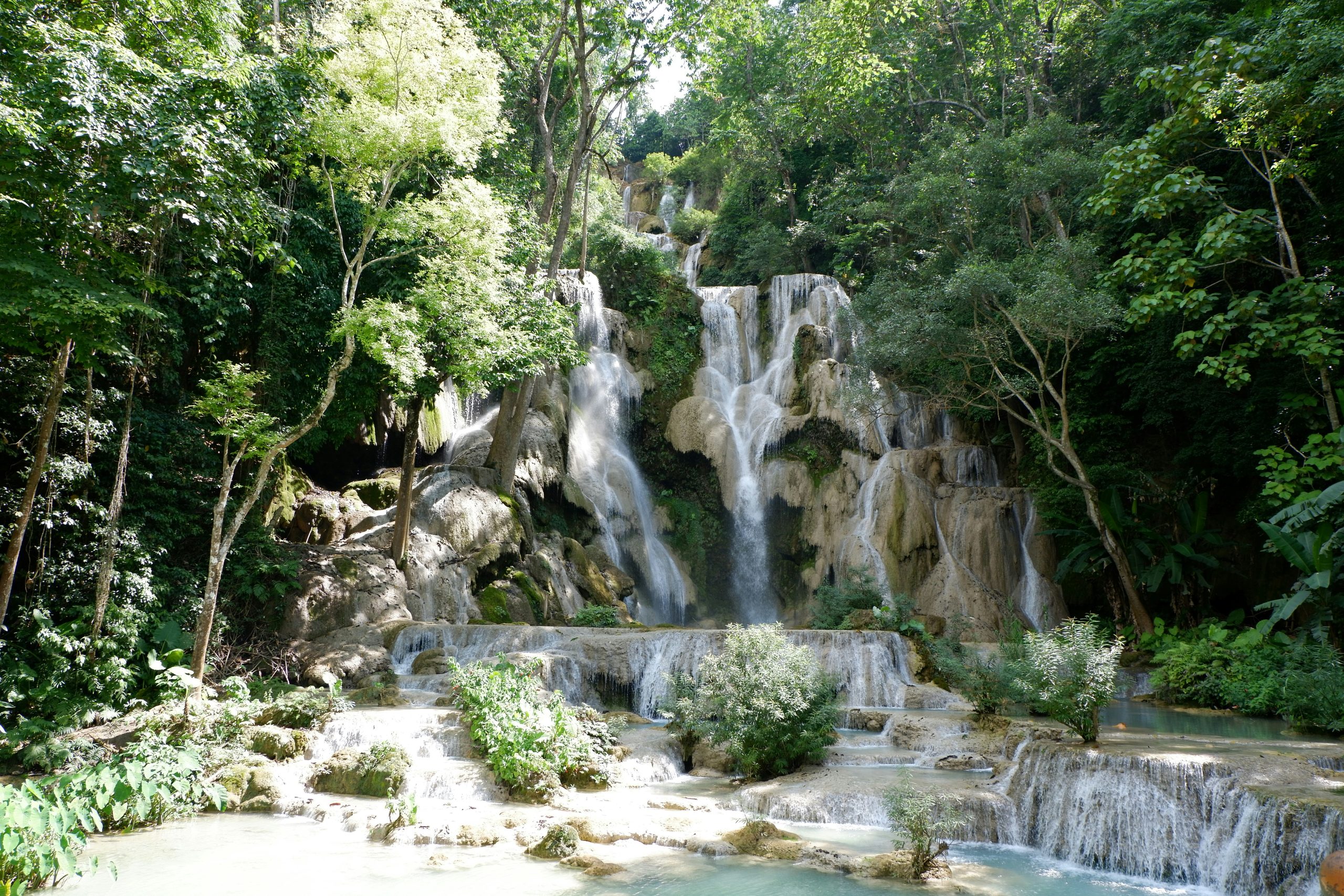
The spiritual heart of Laos, Luang Prabang is a beautifully preserved town where golden temples, French-colonial buildings and the Mekong come together. Wander through its quiet streets, visit Wat Xieng Thong and climb Mount Phousi for views across the town and surrounding landscape. Nearby, the turquoise pools of Kuang Si Waterfalls offer a refreshing escape into nature.

Vang Vieng
Surrounded by dramatic limestone karsts and the Nam Song River, Vang Vieng combines spectacular scenery with outdoor adventure. Kayak along the river, explore caves, hike into the surrounding mountains or simply take in the landscape at a slower pace.

Vientiane
Laos’ relaxed capital offers a fascinating introduction to the country’s history and culture. Discover the golden Pha That Luang, the distinctive Patuxai Monument, riverside markets and peaceful temples while experiencing a city that feels far removed from the pace of larger Southeast Asian capitals.

Nong Khiaw & Northern Laos
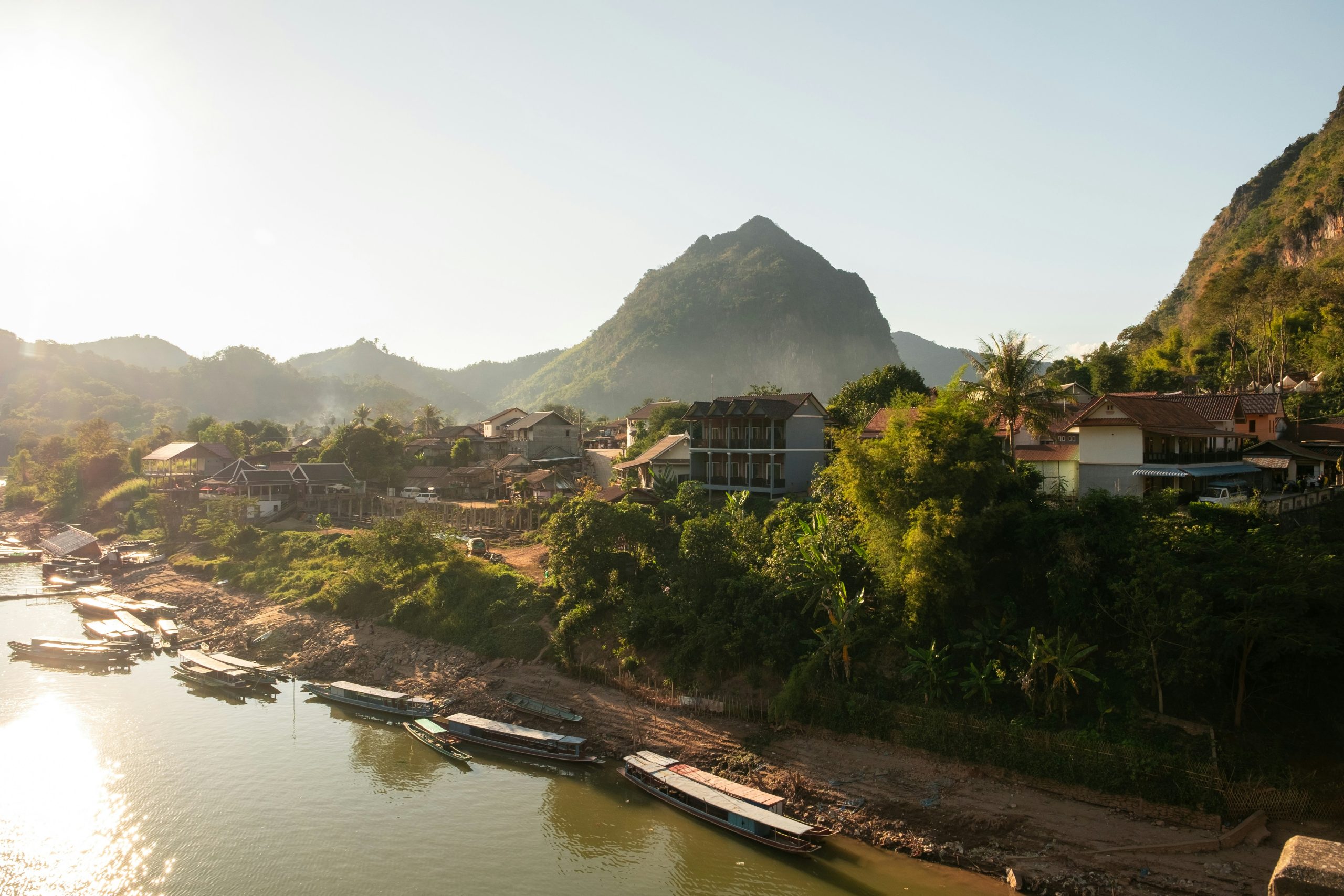
For dramatic landscapes and a quieter side of the country, head north towards Nong Khiaw. Limestone mountains rise around the Nam Ou River, creating an extraordinary setting for hiking, river journeys and village encounters. This is Laos at its most peaceful and atmospheric.

The Bolaven Plateau
In southern Laos, the Bolaven Plateau is known for its cool climate, coffee plantations, waterfalls and lush landscapes. Explore local farms and villages, discover spectacular falls such as Tad Fane and Tad Yuang, and experience a different rhythm of life away from the country’s main cities.

The 4,000 Islands
Where the Mekong spreads across southern Laos, Si Phan Don, or the 4,000 Islands, offers a wonderfully slow-paced escape. Explore islands such as Don Khong and Don Det, travel by boat along the river and enjoy the peaceful scenery of one of the Mekong’s most distinctive landscapes.

When to Travel

Laos can be visited throughout the year, with each season offering a different experience.

November to February is generally the coolest and driest period, making it particularly comfortable for exploring temples, trekking and travelling through the countryside.

March to May brings hotter temperatures, while higher-altitude destinations such as the Bolaven Plateau can offer a welcome change of climate.

June to October is the greener, wetter season. Rainfall brings lush landscapes and fewer visitors, creating a quieter atmosphere for travellers who don’t mind occasional showers.

Practical Information

Currency: The official currency is the Lao Kip (LAK). Thai Baht and US dollars may also be accepted in some tourist areas, but Kip is useful for everyday purchases.

Lingua: Lao is the official language. English is commonly spoken in tourist areas, while French may still be encountered in some contexts.

Getting Around: Private transfers, buses, minivans, domestic flights and tuk-tuks are commonly used. Travelling by boat along the Mekong or Nam Ou can also be an unforgettable part of the journey.

Visiting Temples: Modest clothing covering the shoulders and knees is appropriate when visiting temples and other religious sites. Visitors should also be respectful when photographing monks and religious ceremonies.

Angkor Wat temple reflected in the water at sunset in Cambodia Precedente Cambogia

Practical Information

  • Le stagioni migliori Da novembre a febbraio
  • Lingua Lao
  • Valuta Kip laotiano (LAK)
  • Fuso orario Ora legale+7
  • Getting around Private transfers, buses, minivans, domestic flights and tuk-tuks
  • Visa Tourist visa required for many nationalities; e-Visa available

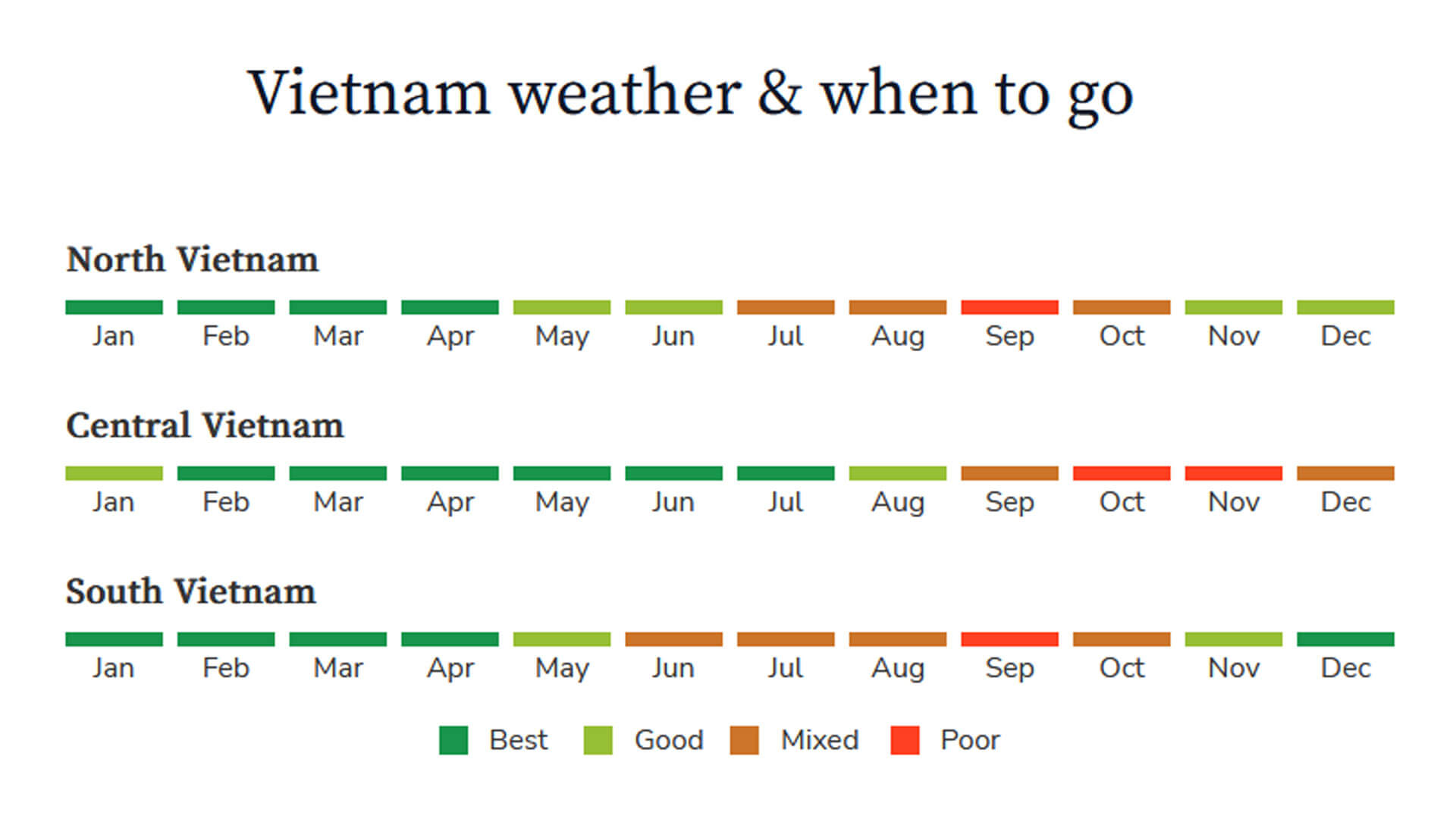
Il periodo migliore per visitare il Vietnam

Se vuoi visitare il Vietnam, potresti chiederti che tempo fa nei diversi mesi. Beh, dipende da dove vai e da cosa vuoi fare. Il Vietnam ha un clima vario, quindi non esiste una risposta valida per tutti. Ma non preoccuparti, ti darò una panoramica generale di cosa aspettarti in ogni mese, in base ai modelli meteorologici medi. Puoi anche controllare le festività e gli eventi che si svolgono in ogni mese in Vietnam.

Gennaio
Questo è un buon mese per godersi il clima secco e piacevole nella maggior parte delle zone del Vietnam, fatta eccezione per il nord. Il nord può essere piuttosto freddo, soprattutto al mattino e alla sera. Potresti aver bisogno di vestiti caldi e giacche se vai in posti come Sapa e Ha Giang. Se stai cercando un po' di tempo in spiaggia, dirigiti a Phu Quoc, dove splende sempre il sole. Tieni presente che la baia di Halong può essere nebbiosa questo mese, quindi potresti non vedere i panorami migliori.

Febbraio
Il clima diventa più caldo nella maggior parte del Vietnam, fatta eccezione per il nord, che sembra ancora freddo. Questa è un'alta stagione per il turismo, quindi aspettatevi più folla e prezzi più alti. Ma è anche un ottimo momento per vivere il festival TET, che è il capodanno vietnamita. È una grande festa con tanto cibo, fuochi d'artificio e divertimento. Tenete presente che molti negozi, musei e ristoranti sono chiusi per circa una settimana durante il TET.

Marzo
Questo è uno dei mesi migliori per visitare il Vietnam, poiché il clima è fantastico ovunque. Hai più opzioni per le destinazioni balneari, come Mui Ne, Con Dao e Nha Trang. Hoi An è anche un posto incantevole per godersi la spiaggia e la città vecchia. Questo è anche un ottimo momento per visitare la baia di Halong, che dovrebbe avere cieli azzurri e limpidi e niente nebbia.

aprile
Come marzo, aprile è un altro mese fantastico per visitare il Vietnam, con un clima fantastico ovunque. Questa è anche un'alta stagione per il turismo, quindi preparatevi a più folla e prezzi più alti.

Maggio
Il clima diventa più caldo a maggio, ma è comunque un buon periodo per visitare il Vietnam prima che inizi la stagione delle piogge. Potresti avere un po' di pioggia a nord e a sud entro la fine del mese, ma niente di troppo grave. Puoi anche approfittare dei prezzi più bassi dopo l'alta stagione.

Giugno
Potresti avere un po' di pioggia nel nord e nel sud del Vietnam, ma di solito non è troppo male. Puoi ancora goderti le giornate di sole ad Hanoi, Mai Chau e nella baia di Halong. Il posto migliore dove stare è nel Vietnam centrale, dove il clima è ancora secco e soleggiato. Puoi rilassarti sulle spiagge di Lang Co e Hoi An, o esplorare la campagna e la cultura. Questo è anche un buon momento per viaggiare prima che inizino le vacanze scolastiche il mese prossimo.

Luglio
Il Vietnam centrale è ancora il posto migliore dove stare a luglio, con tanto sole e poca pioggia. Il resto del Vietnam potrebbe avere qualche acquazzone, ma non rovinerà il divertimento.

agosto
Il Vietnam centrale è ancora un bel posto da visitare ad agosto, anche se potresti avere un po' più di pioggia verso la fine del mese. Anche il resto del Vietnam potrebbe avere un po' di pioggia, ma non è poi così male. Puoi anche usufruire di alcuni sconti su voli e hotel durante la bassa stagione.

settembre
Questo è un buon mese per catturare l'ultimo sole sulla costa centrale del Vietnam prima che diventi troppo piovoso. Il nord e il sud sono solitamente molto umidi questo mese, ma puoi ancora trovare qualche affare sugli hotel.

ottobre
Il clima migliora nel nord del Vietnam a ottobre, ed è un ottimo periodo per visitare posti come Sapa o Ha Giang. Puoi ammirare lo scenario mozzafiato di terrazze di riso, valli e montagne che cambiano colore con le stagioni. Puoi anche fare escursioni, andare in bicicletta o stare con la gente del posto che vive lì. Questo non è un buon mese per gli amanti della spiaggia, ma il Vietnam ha molto di più da offrire oltre alle spiagge. E viaggiare a ottobre significa evitare la folla.

novembre
L'alta stagione ricomincia a novembre, poiché molte persone vengono in Vietnam per i mesi invernali più freddi nel nord. Entro la fine del mese, la maggior parte del Vietnam è di nuovo calda e secca, fatta eccezione per la regione centrale, che potrebbe avere un po' di pioggia.

Dicembre
C'è ancora la possibilità di pioggia nella parte centrale del Vietnam a dicembre; tuttavia, la maggior parte del Vietnam è di nuovo calda e secca. La stagione balneare ricomincia sull'isola di Phu Quoc. Dovresti prenotare in anticipo per Natale, perché può essere molto affollata.