


Experience the magic of Con Dao with a 2 day tour! Witness sea turtles nesting at night, snorkel among coral reefs, and release baby turtles into the ocean at sunrise.



2
Experience the magic of Con Dao with a 2 day tour! Witness sea turtles nesting at night, snorkel among coral reefs, and release baby turtles into the ocean at sunrise.
Join our 2-day Con Dao turtle conservation tour for a once-in-a-lifetime experience! Snorkel in crystal-clear waters, explore Bay Canh Island’s turtle incubation site, and witness sea turtles laying eggs at night. Wake up early to release baby turtles into the ocean, supporting conservation efforts while immersing yourself in nature’s wonders.
Transfer from the port to Bay Canh Island
Depart from the port by boat and enjoy a scenic ride to Bay Canh Island, an important site for sea turtle conservation, surrounded by pristine nature.
Snorkel to explore vibrant coral reefs
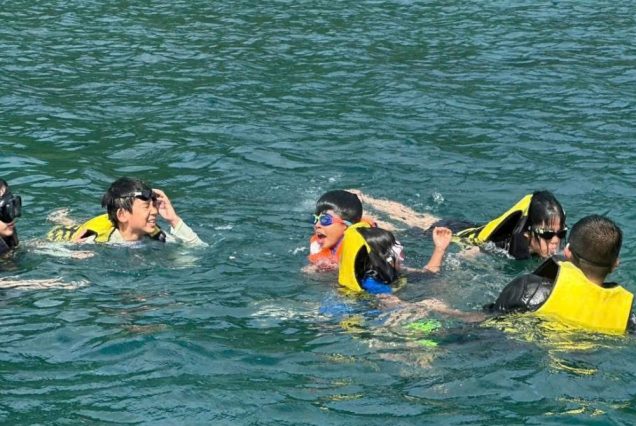
Upon arriving at Bay Canh Island, enjoy snorkeling in its crystal-clear waters, where vibrant coral reefs and a rich array of marine life await. The island offers one of the best spots for underwater exploration, perfect for both beginners and nature lovers.
While snorkeling, you’ll also hear the story of how El Niño has affected the marine ecosystem. Your guide will explain how rising sea temperatures have led to coral bleaching, disrupted marine biodiversity, and challenged the health of reef systems—giving you a deeper appreciation for the fragile beauty beneath the waves.
Tour Bay Canh Island
Explore the island while gaining in-depth insights into its sea turtle conservation program—a meaningful journey connecting nature, wildlife, and community-based efforts.
You’ll visit the sea turtle incubation area, where eggs are carefully monitored and protected throughout their development. Your guide will explain the challenges faced in sea turtle conservation, including threats from climate change, pollution, and human activity, as well as the specific steps taken to safeguard these endangered species.
During the experience, you’ll:
The journey also takes you into the mangrove forests that fringe the island—a vital ecosystem that protects coastlines, filters water, and provides habitat for countless aquatic species.
Check-in, dinner, and rest.
Evening Wildlife Observation
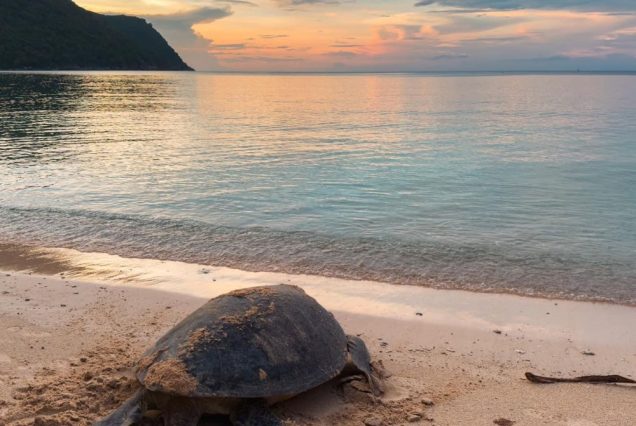
A Rare Moment – Witness Sea Turtle Nesting.
Release more baby turtles into the ocean
Release Baby Turtles into the Ocean In the early morning, you may have the special opportunity to join a baby sea turtle release, helping the hatchlings make their first journey into the ocean under the soft light of dawn. This experience depends on natural hatching cycles, so if the eggs happened to hatch the day before, you’re in luck — it's a rare and unforgettable chance to witness the very beginning of a sea turtle’s life. All releases are conducted under the supervision of conservation staff to ensure the safety of the turtles and minimize human impact on their natural behavior.
Return to the port
After the turtle release, return to the port, concluding your enriching experience on Bay Canh Island.
Contac us
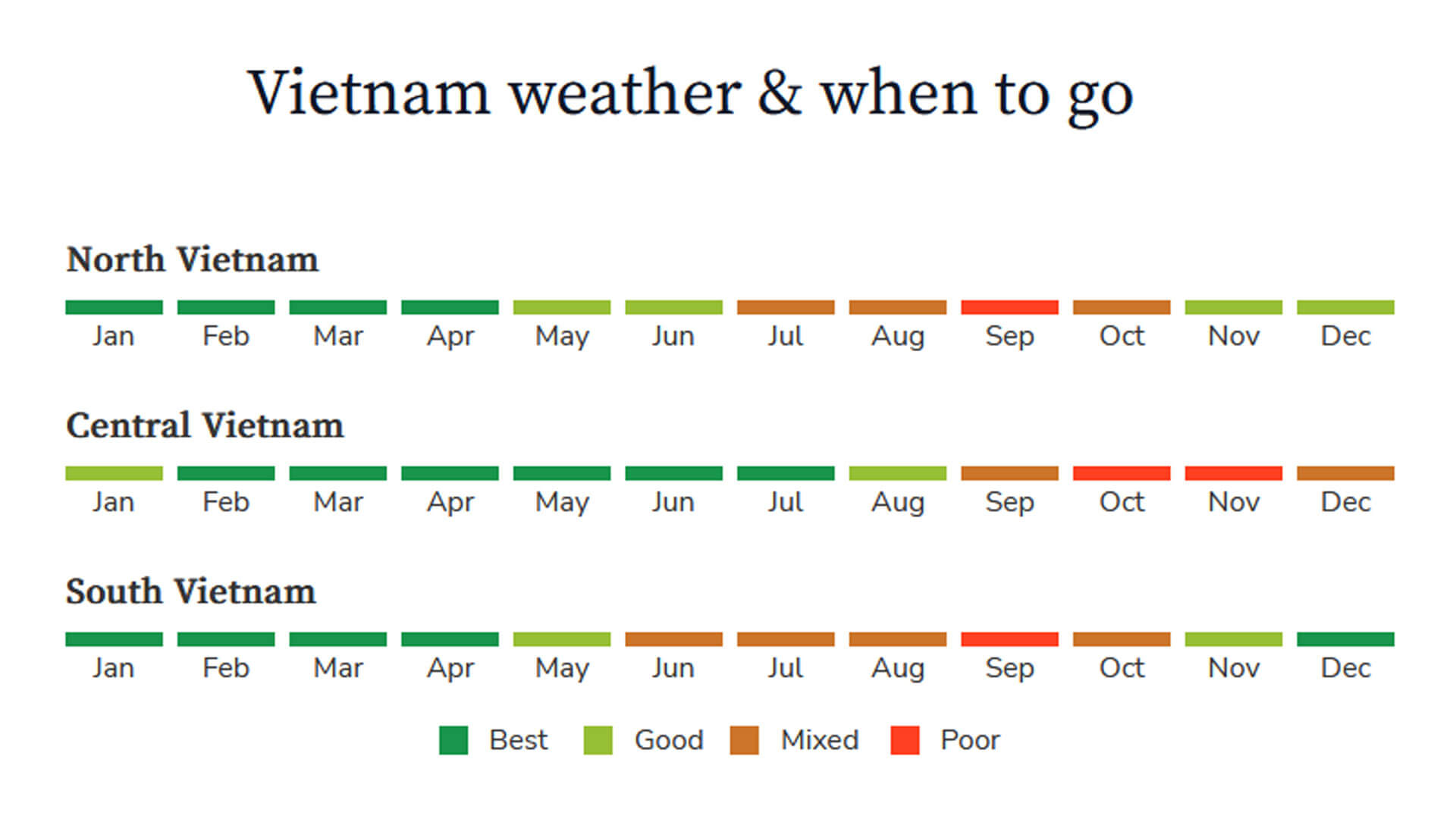
Se vuoi visitare il Vietnam, potresti chiederti che tempo fa nei diversi mesi. Beh, dipende da dove vai e da cosa vuoi fare. Il Vietnam ha un clima vario, quindi non esiste una risposta valida per tutti. Ma non preoccuparti, ti darò una panoramica generale di cosa aspettarti in ogni mese, in base ai modelli meteorologici medi. Puoi anche controllare le festività e gli eventi che si svolgono in ogni mese in Vietnam.
Gennaio
Questo è un buon mese per godersi il clima secco e piacevole nella maggior parte delle zone del Vietnam, fatta eccezione per il nord. Il nord può essere piuttosto freddo, soprattutto al mattino e alla sera. Potresti aver bisogno di vestiti caldi e giacche se vai in posti come Sapa e Ha Giang. Se stai cercando un po' di tempo in spiaggia, dirigiti a Phu Quoc, dove splende sempre il sole. Tieni presente che la baia di Halong può essere nebbiosa questo mese, quindi potresti non vedere i panorami migliori.
Febbraio
Il clima diventa più caldo nella maggior parte del Vietnam, fatta eccezione per il nord, che sembra ancora freddo. Questa è un'alta stagione per il turismo, quindi aspettatevi più folla e prezzi più alti. Ma è anche un ottimo momento per vivere il festival TET, che è il capodanno vietnamita. È una grande festa con tanto cibo, fuochi d'artificio e divertimento. Tenete presente che molti negozi, musei e ristoranti sono chiusi per circa una settimana durante il TET.
Marzo
Questo è uno dei mesi migliori per visitare il Vietnam, poiché il clima è fantastico ovunque. Hai più opzioni per le destinazioni balneari, come Mui Ne, Con Dao e Nha Trang. Hoi An è anche un posto incantevole per godersi la spiaggia e la città vecchia. Questo è anche un ottimo momento per visitare la baia di Halong, che dovrebbe avere cieli azzurri e limpidi e niente nebbia.
aprile
Come marzo, aprile è un altro mese fantastico per visitare il Vietnam, con un clima fantastico ovunque. Questa è anche un'alta stagione per il turismo, quindi preparatevi a più folla e prezzi più alti.
Maggio
Il clima diventa più caldo a maggio, ma è comunque un buon periodo per visitare il Vietnam prima che inizi la stagione delle piogge. Potresti avere un po' di pioggia a nord e a sud entro la fine del mese, ma niente di troppo grave. Puoi anche approfittare dei prezzi più bassi dopo l'alta stagione.
Giugno
Potresti avere un po' di pioggia nel nord e nel sud del Vietnam, ma di solito non è troppo male. Puoi ancora goderti le giornate di sole ad Hanoi, Mai Chau e nella baia di Halong. Il posto migliore dove stare è nel Vietnam centrale, dove il clima è ancora secco e soleggiato. Puoi rilassarti sulle spiagge di Lang Co e Hoi An, o esplorare la campagna e la cultura. Questo è anche un buon momento per viaggiare prima che inizino le vacanze scolastiche il mese prossimo.
Luglio
Il Vietnam centrale è ancora il posto migliore dove stare a luglio, con tanto sole e poca pioggia. Il resto del Vietnam potrebbe avere qualche acquazzone, ma non rovinerà il divertimento.
agosto
Il Vietnam centrale è ancora un bel posto da visitare ad agosto, anche se potresti avere un po' più di pioggia verso la fine del mese. Anche il resto del Vietnam potrebbe avere un po' di pioggia, ma non è poi così male. Puoi anche usufruire di alcuni sconti su voli e hotel durante la bassa stagione.
settembre
Questo è un buon mese per catturare l'ultimo sole sulla costa centrale del Vietnam prima che diventi troppo piovoso. Il nord e il sud sono solitamente molto umidi questo mese, ma puoi ancora trovare qualche affare sugli hotel.
ottobre
Il clima migliora nel nord del Vietnam a ottobre, ed è un ottimo periodo per visitare posti come Sapa o Ha Giang. Puoi ammirare lo scenario mozzafiato di terrazze di riso, valli e montagne che cambiano colore con le stagioni. Puoi anche fare escursioni, andare in bicicletta o stare con la gente del posto che vive lì. Questo non è un buon mese per gli amanti della spiaggia, ma il Vietnam ha molto di più da offrire oltre alle spiagge. E viaggiare a ottobre significa evitare la folla.
novembre
L'alta stagione ricomincia a novembre, poiché molte persone vengono in Vietnam per i mesi invernali più freddi nel nord. Entro la fine del mese, la maggior parte del Vietnam è di nuovo calda e secca, fatta eccezione per la regione centrale, che potrebbe avere un po' di pioggia.
Dicembre
C'è ancora la possibilità di pioggia nella parte centrale del Vietnam a dicembre; tuttavia, la maggior parte del Vietnam è di nuovo calda e secca. La stagione balneare ricomincia sull'isola di Phu Quoc. Dovresti prenotare in anticipo per Natale, perché può essere molto affollata.