
Ride through the majestic mountains of Ha Giang, discover the legendary Ban Gioc Waterfall, and explore Ba Be’s serene lake — a sustainable journey through Vietnam’s most breathtaking landscapes



7
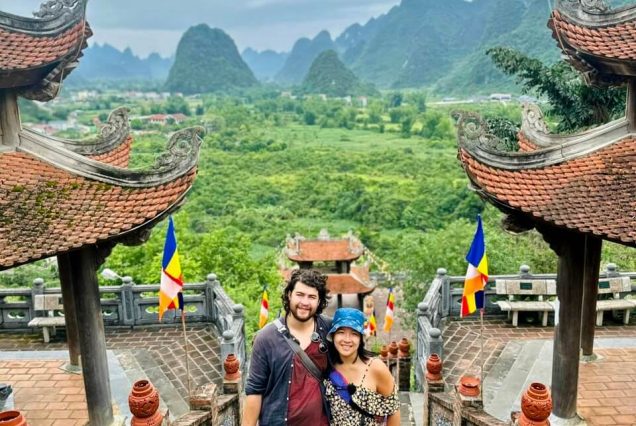
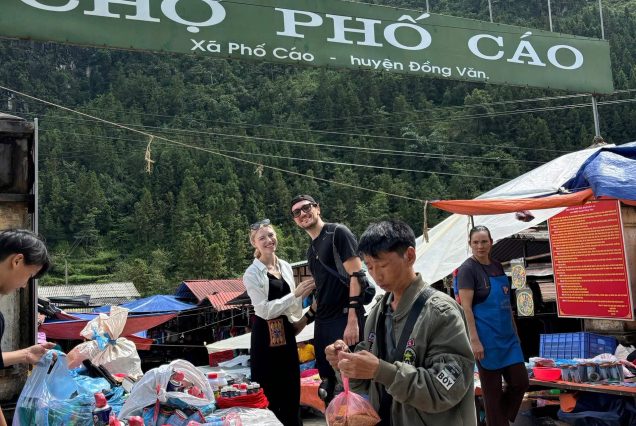
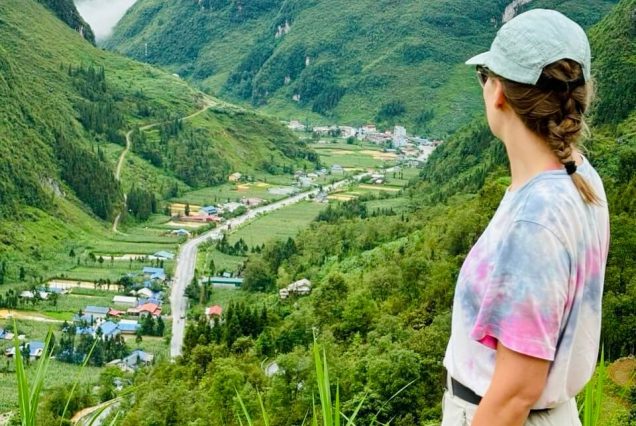
Embark on a 7-day journey through Northern Vietnam’s most captivating landscapes — from the legendary Ha Giang Loop and the misty passes of Cao Bang, to the tranquil waters of Ba Be National Park.
Ride along winding mountain roads, meet welcoming ethnic communities, and stay in eco-friendly homestays deeply rooted in local traditions.
This tour is not just a ride — it’s a connection with Vietnam’s soul, crafted for travelers seeking authenticity, sustainability, and cultural immersion.
After breakfast, your journey starts through the Bac Sum Pass, a serpent-like road winding between emerald valleys.
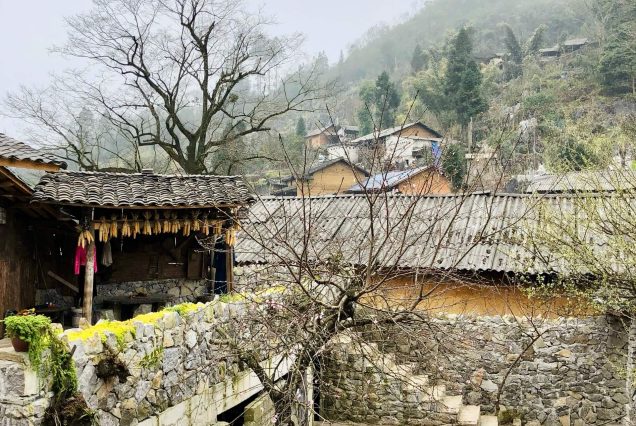
Breathe the cool mountain air at Quan Ba Heaven Gate, admire the fairy-tale Twin Mountains, and visit the Dao village of Nam Dam, where ancient earthen houses tell stories of generations.
End the day in Yen Minh, sharing a warm family dinner and local songs under starlit skies.
Eco moment: Support traditional Hmong artisans at Lung Tam Linen Cooperative, preserving centuries-old weaving techniques.
Ride through the Dong Van Karst Plateau, a UNESCO Global Geopark sculpted by wind and time.
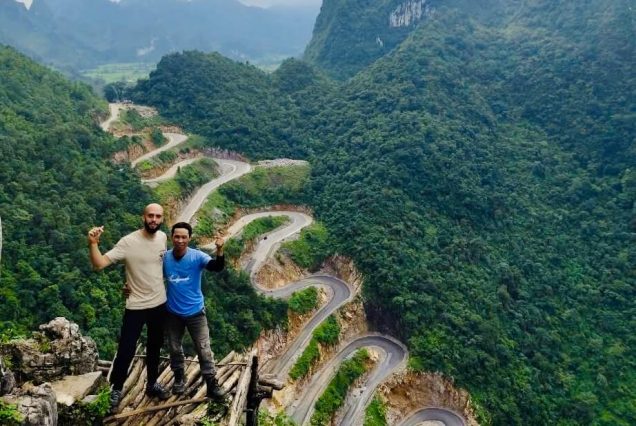
Witness the dizzying curves of Tham Ma Pass and visit the mystical Hmong King Palace, blending Chinese and local architecture.
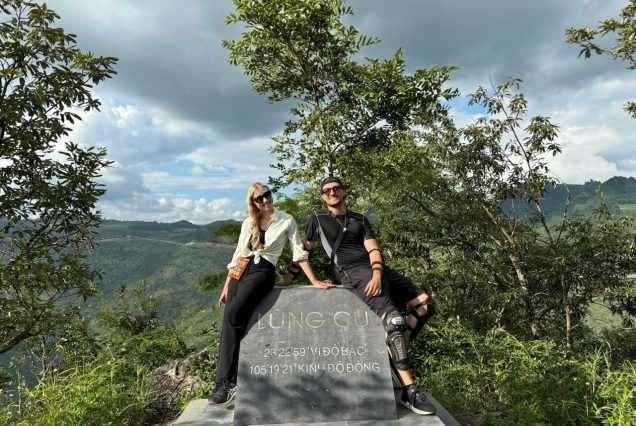
At the Lung Cu Flag Tower, stand at Vietnam’s northernmost point — where mountains meet clouds and patriotism meets peace.
Spend the night in Dong Van, a charming ancient town surrounded by peaks and valleys.
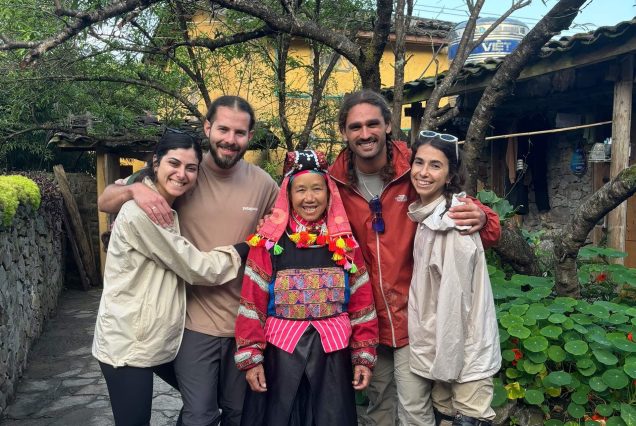
Ethnic encounter: Meet the Lo Lo and Hmong people, learn about their mountain traditions, and share a family meal in their homes.
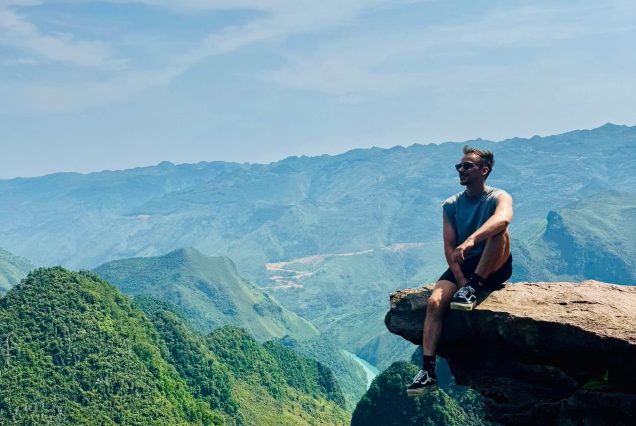
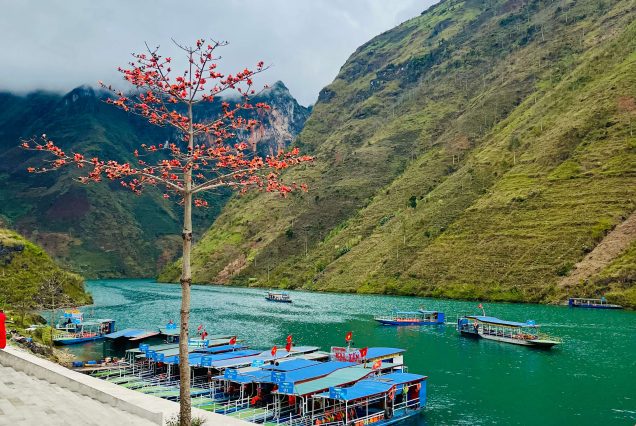
Today is legendary — conquer the Ma Pi Leng Pass, “The King of Passes,” overlooking the emerald Nho Que River.
Choose between hiking the White Cliff Trail or boating through the dramatic Tu San Canyon, Southeast Asia’s deepest gorge.
The road winds through timeless villages before arriving in Bao Lac, where your eco-homestay welcomes you with local specialties and quiet village charm.
Eco moment: Experience how community-run homestays support education and sustainable livelihoods for local families.
Drive through untouched valleys, crossing Khau Coc Cha Pass E Cao Bac Pass, offering panoramic views of terraced rice fields and remote Tay villages.
Visit Khuoi Ky Stone Village, built entirely of ancient stone, and the poetic Co La Waterfall hidden among rice fields.
Settle near Ban Gioc Waterfall, where mist rises gently over jade-colored waters — one of Vietnam’s most majestic natural wonders.
Ethnic encounter: Discover the Tay people’s ancient way of living in harmony with stone, forest, and water.
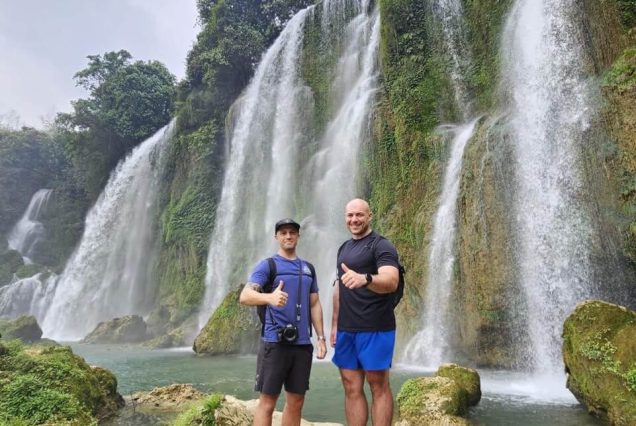
Awake to the thunderous beauty of Ban Gioc Waterfall, straddling the border of Vietnam and China.
Esplorare Nguom Ngao Cave, a hidden underworld of stalactites shaped by time.
Then hike to Phat Tich Truc Lam Pagoda for a bird’s-eye view of the falls.
End your day by marveling at the mystical Mountain Angel Eye, a limestone wonder encircled by pristine nature.
Sustainable highlight: All local guides here are part of an eco-initiative preserving Ban Gioc’s fragile environment.
Journey south to Ba Be National Park, the jewel of Vietnam’s freshwater lakes.
Kayak across the peaceful Ba Be Lake, glide past limestone cliffs and verdant forests, and feel the silence of nature’s untouched rhythm.
Your homestay by the lake offers a simple, serene evening — the sound of crickets replacing city noise.
Eco moment: The park’s community-based tourism ensures every visitor supports forest protection and biodiversity preservation.
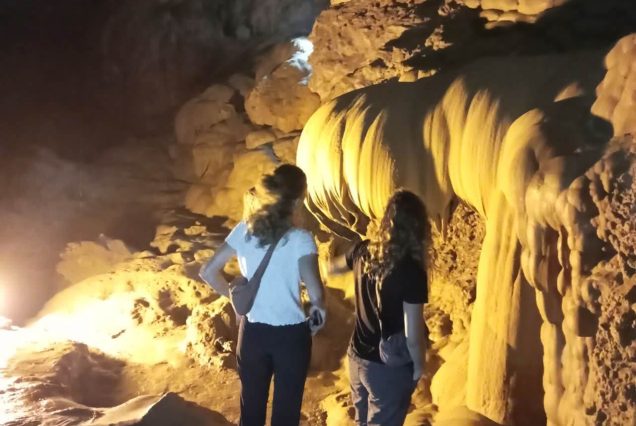
After breakfast, explore Hua Ma Cave, a hidden cavern of crystal rock formations.
Pause at Na Hang Lake, where turquoise waters mirror the surrounding peaks.
As you return to Ha Giang City, your heart carries not just photos — but a deep connection to the land, people, and soul of Northern Vietnam.
Contac us
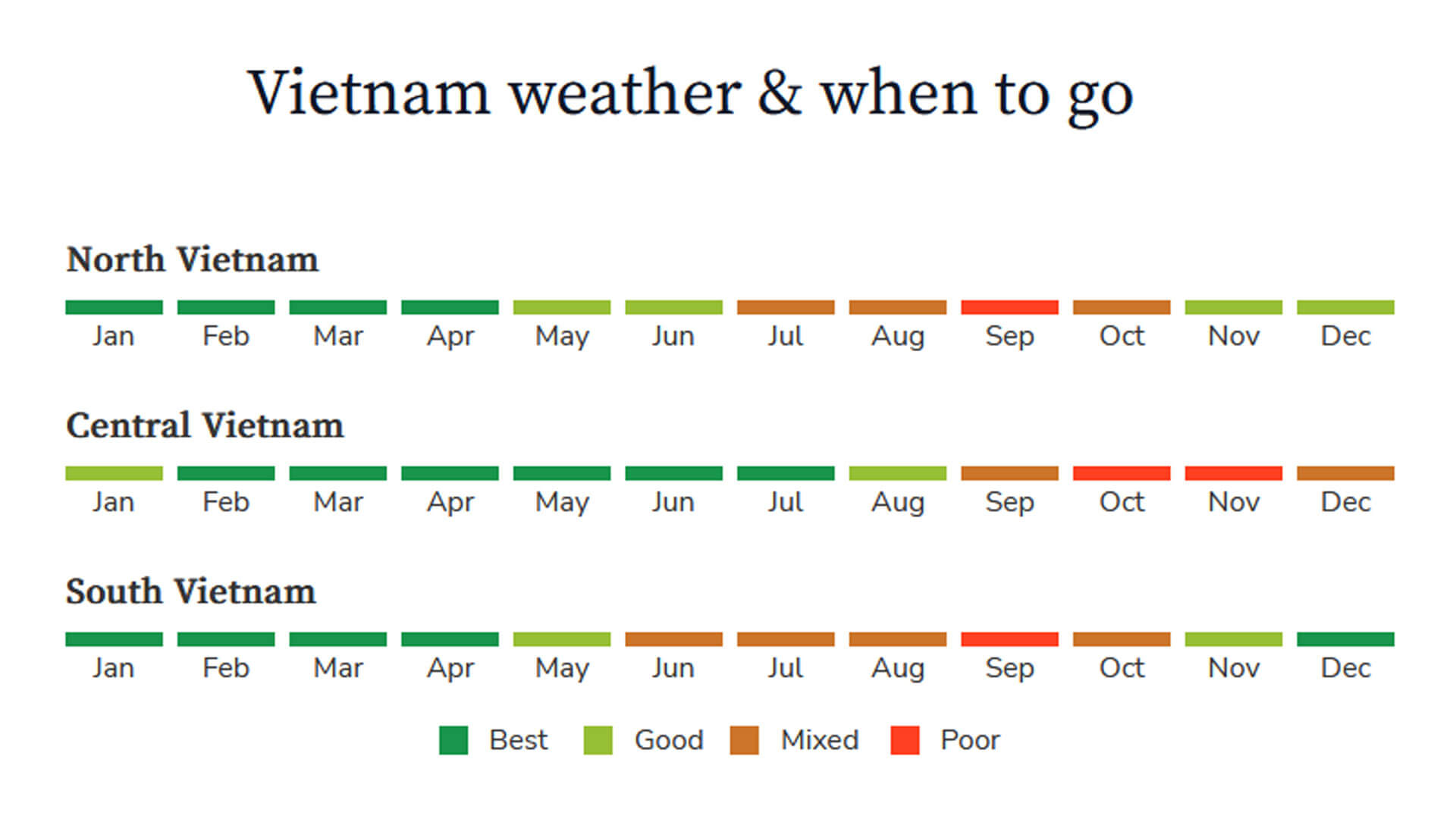
Se vuoi visitare il Vietnam, potresti chiederti che tempo fa nei diversi mesi. Beh, dipende da dove vai e da cosa vuoi fare. Il Vietnam ha un clima vario, quindi non esiste una risposta valida per tutti. Ma non preoccuparti, ti darò una panoramica generale di cosa aspettarti in ogni mese, in base ai modelli meteorologici medi. Puoi anche controllare le festività e gli eventi che si svolgono in ogni mese in Vietnam.
Gennaio
Questo è un buon mese per godersi il clima secco e piacevole nella maggior parte delle zone del Vietnam, fatta eccezione per il nord. Il nord può essere piuttosto freddo, soprattutto al mattino e alla sera. Potresti aver bisogno di vestiti caldi e giacche se vai in posti come Sapa e Ha Giang. Se stai cercando un po' di tempo in spiaggia, dirigiti a Phu Quoc, dove splende sempre il sole. Tieni presente che la baia di Halong può essere nebbiosa questo mese, quindi potresti non vedere i panorami migliori.
Febbraio
Il clima diventa più caldo nella maggior parte del Vietnam, fatta eccezione per il nord, che sembra ancora freddo. Questa è un'alta stagione per il turismo, quindi aspettatevi più folla e prezzi più alti. Ma è anche un ottimo momento per vivere il festival TET, che è il capodanno vietnamita. È una grande festa con tanto cibo, fuochi d'artificio e divertimento. Tenete presente che molti negozi, musei e ristoranti sono chiusi per circa una settimana durante il TET.
Marzo
Questo è uno dei mesi migliori per visitare il Vietnam, poiché il clima è fantastico ovunque. Hai più opzioni per le destinazioni balneari, come Mui Ne, Con Dao e Nha Trang. Hoi An è anche un posto incantevole per godersi la spiaggia e la città vecchia. Questo è anche un ottimo momento per visitare la baia di Halong, che dovrebbe avere cieli azzurri e limpidi e niente nebbia.
aprile
Come marzo, aprile è un altro mese fantastico per visitare il Vietnam, con un clima fantastico ovunque. Questa è anche un'alta stagione per il turismo, quindi preparatevi a più folla e prezzi più alti.
Maggio
Il clima diventa più caldo a maggio, ma è comunque un buon periodo per visitare il Vietnam prima che inizi la stagione delle piogge. Potresti avere un po' di pioggia a nord e a sud entro la fine del mese, ma niente di troppo grave. Puoi anche approfittare dei prezzi più bassi dopo l'alta stagione.
Giugno
Potresti avere un po' di pioggia nel nord e nel sud del Vietnam, ma di solito non è troppo male. Puoi ancora goderti le giornate di sole ad Hanoi, Mai Chau e nella baia di Halong. Il posto migliore dove stare è nel Vietnam centrale, dove il clima è ancora secco e soleggiato. Puoi rilassarti sulle spiagge di Lang Co e Hoi An, o esplorare la campagna e la cultura. Questo è anche un buon momento per viaggiare prima che inizino le vacanze scolastiche il mese prossimo.
Luglio
Il Vietnam centrale è ancora il posto migliore dove stare a luglio, con tanto sole e poca pioggia. Il resto del Vietnam potrebbe avere qualche acquazzone, ma non rovinerà il divertimento.
agosto
Il Vietnam centrale è ancora un bel posto da visitare ad agosto, anche se potresti avere un po' più di pioggia verso la fine del mese. Anche il resto del Vietnam potrebbe avere un po' di pioggia, ma non è poi così male. Puoi anche usufruire di alcuni sconti su voli e hotel durante la bassa stagione.
settembre
Questo è un buon mese per catturare l'ultimo sole sulla costa centrale del Vietnam prima che diventi troppo piovoso. Il nord e il sud sono solitamente molto umidi questo mese, ma puoi ancora trovare qualche affare sugli hotel.
ottobre
Il clima migliora nel nord del Vietnam a ottobre, ed è un ottimo periodo per visitare posti come Sapa o Ha Giang. Puoi ammirare lo scenario mozzafiato di terrazze di riso, valli e montagne che cambiano colore con le stagioni. Puoi anche fare escursioni, andare in bicicletta o stare con la gente del posto che vive lì. Questo non è un buon mese per gli amanti della spiaggia, ma il Vietnam ha molto di più da offrire oltre alle spiagge. E viaggiare a ottobre significa evitare la folla.
novembre
L'alta stagione ricomincia a novembre, poiché molte persone vengono in Vietnam per i mesi invernali più freddi nel nord. Entro la fine del mese, la maggior parte del Vietnam è di nuovo calda e secca, fatta eccezione per la regione centrale, che potrebbe avere un po' di pioggia.
Dicembre
C'è ancora la possibilità di pioggia nella parte centrale del Vietnam a dicembre; tuttavia, la maggior parte del Vietnam è di nuovo calda e secca. La stagione balneare ricomincia sull'isola di Phu Quoc. Dovresti prenotare in anticipo per Natale, perché può essere molto affollata.