
Ride through the majestic mountains of Ha Giang, discover the legendary Ban Gioc Waterfall, and explore Ba Be’s serene lake — a sustainable journey through Vietnam’s most breathtaking landscapes



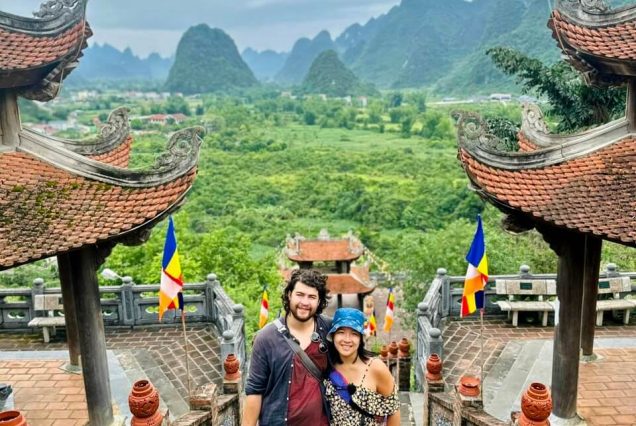
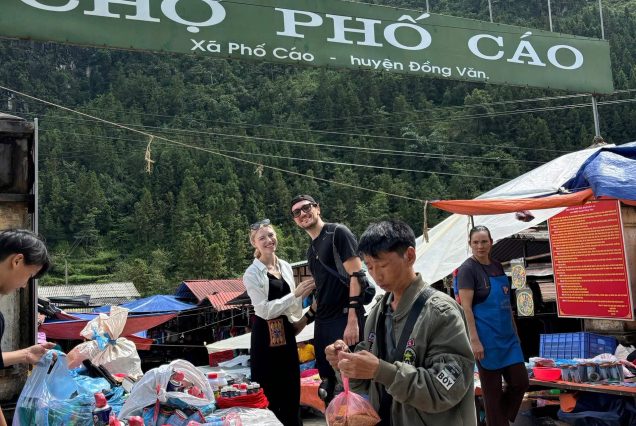
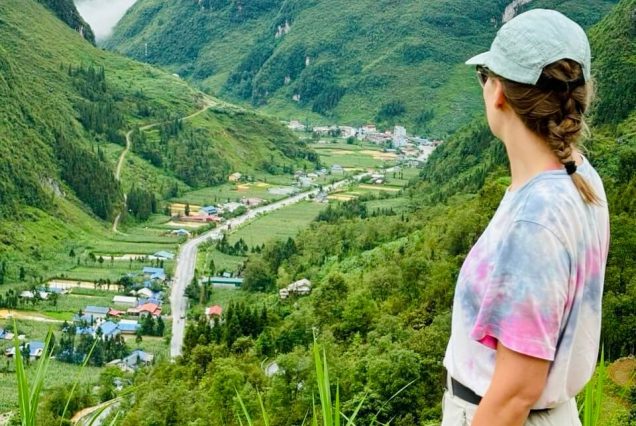
7
Embark on a 7-day journey through Northern Vietnam’s most captivating landscapes — from the legendary Ha Giang Loop and the misty passes of Cao Bang, to the tranquil waters of Ba Be National Park.
Ride along winding mountain roads, meet welcoming ethnic communities, and stay in eco-friendly homestays deeply rooted in local traditions.
This tour is not just a ride — it’s a connection with Vietnam’s soul, crafted for travelers seeking authenticity, sustainability, and cultural immersion.
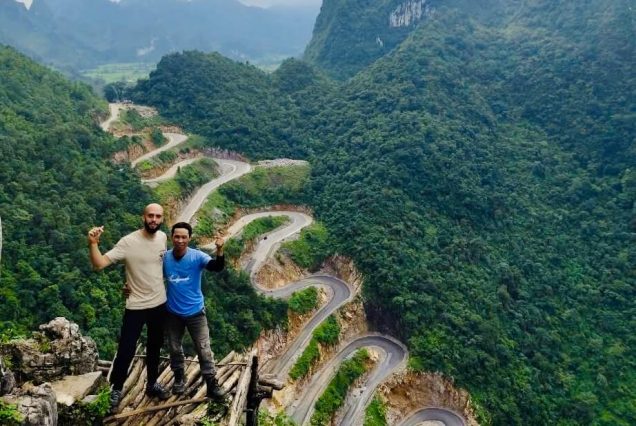
After breakfast, your journey starts through the Bac Sum Pass, a serpent-like road winding between emerald valleys.
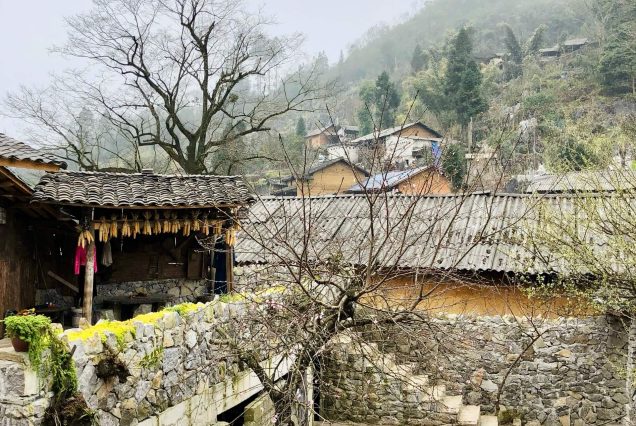
Breathe the cool mountain air at Quan Ba Heaven Gate, admire the fairy-tale Twin Mountains, and visit the Dao village of Nam Dam, where ancient earthen houses tell stories of generations.
End the day in Yen Minh, sharing a warm family dinner and local songs under starlit skies.
Eco moment: Support traditional Hmong artisans at Lung Tam Linen Cooperative, preserving centuries-old weaving techniques.
Ride through the Dong Van Karst Plateau, a UNESCO Global Geopark sculpted by wind and time.
Witness the dizzying curves of Tham Ma Pass and visit the mystical Hmong King Palace, blending Chinese and local architecture.
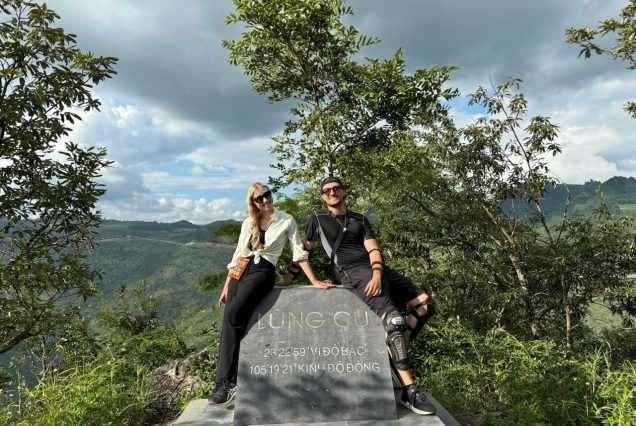
At the Lung Cu Flag Tower, stand at Vietnam’s northernmost point — where mountains meet clouds and patriotism meets peace.
Spend the night in Dong Van, a charming ancient town surrounded by peaks and valleys.
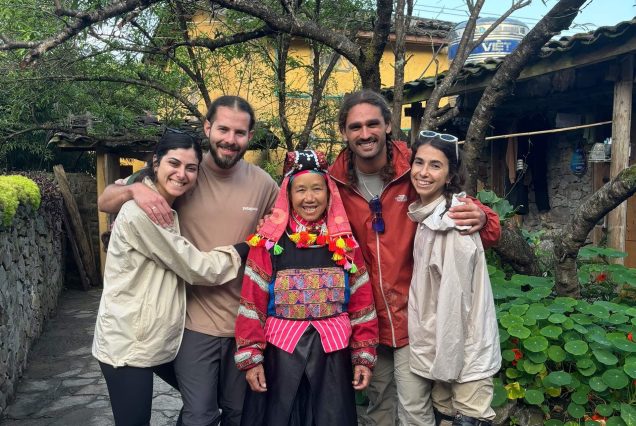
Ethnic encounter: Meet the Lo Lo and Hmong people, learn about their mountain traditions, and share a family meal in their homes.
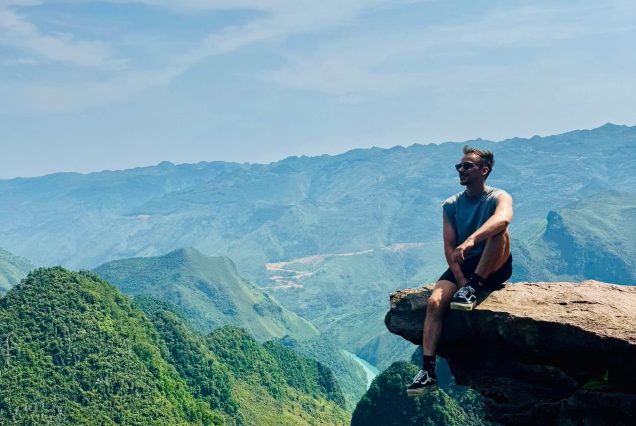
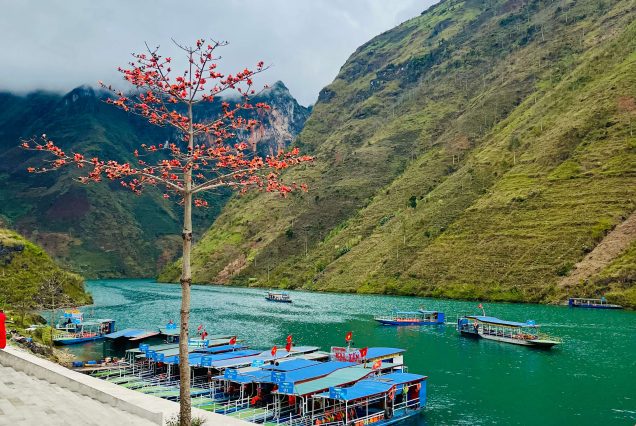
Today is legendary — conquer the Ma Pi Leng Pass, “The King of Passes,” overlooking the emerald Nho Que River.
Choose between hiking the White Cliff Trail or boating through the dramatic Tu San Canyon, Southeast Asia’s deepest gorge.
The road winds through timeless villages before arriving in Bao Lac, where your eco-homestay welcomes you with local specialties and quiet village charm.
Eco moment: Experience how community-run homestays support education and sustainable livelihoods for local families.
Drive through untouched valleys, crossing Khau Coc Cha Pass and Cao Bac Pass, offering panoramic views of terraced rice fields and remote Tay villages.
Visit Khuoi Ky Stone Village, built entirely of ancient stone, and the poetic Co La Waterfall hidden among rice fields.
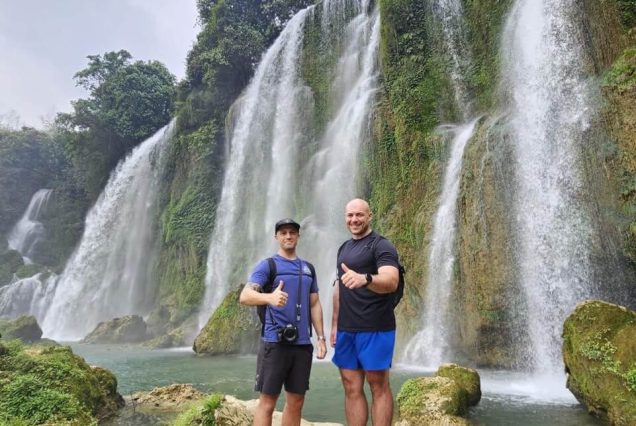
Settle near Ban Gioc Waterfall, where mist rises gently over jade-colored waters — one of Vietnam’s most majestic natural wonders.
Ethnic encounter: Discover the Tay people’s ancient way of living in harmony with stone, forest, and water.
Awake to the thunderous beauty of Ban Gioc Waterfall, straddling the border of Vietnam and China.
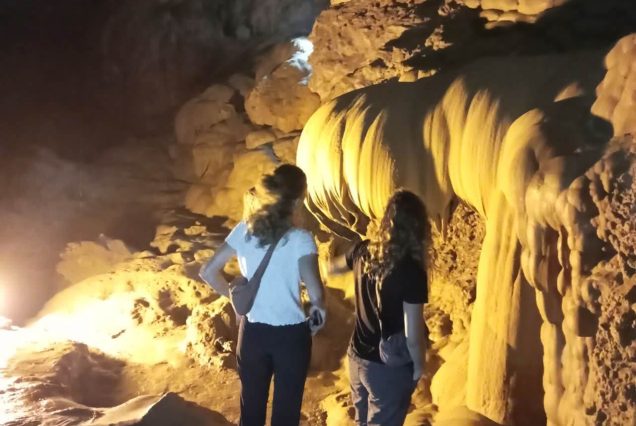
Explore Nguom Ngao Cave, a hidden underworld of stalactites shaped by time.
Then hike to Phat Tich Truc Lam Pagoda for a bird’s-eye view of the falls.
End your day by marveling at the mystical Mountain Angel Eye, a limestone wonder encircled by pristine nature.
Sustainable highlight: All local guides here are part of an eco-initiative preserving Ban Gioc’s fragile environment.
Journey south to Ba Be National Park, the jewel of Vietnam’s freshwater lakes.
Kayak across the peaceful Ba Be Lake, glide past limestone cliffs and verdant forests, and feel the silence of nature’s untouched rhythm.
Your homestay by the lake offers a simple, serene evening — the sound of crickets replacing city noise.
Eco moment: The park’s community-based tourism ensures every visitor supports forest protection and biodiversity preservation.
After breakfast, explore Hua Ma Cave, a hidden cavern of crystal rock formations.
Pause at Na Hang Lake, where turquoise waters mirror the surrounding peaks.
As you return to Ha Giang City, your heart carries not just photos — but a deep connection to the land, people, and soul of Northern Vietnam.
Contac us
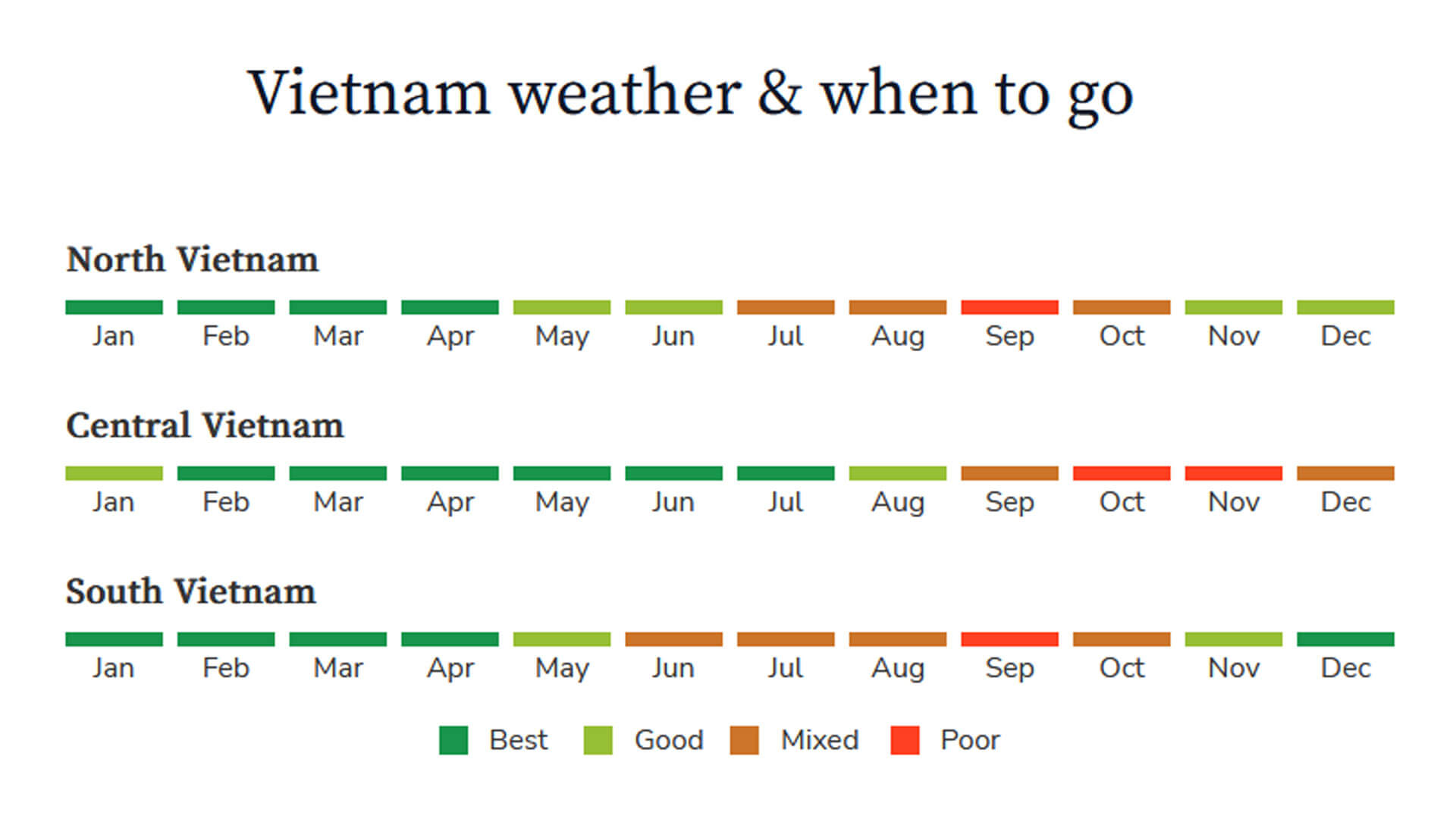
If you want to visit Vietnam, you might be wondering what the weather is like in different months. Well, it depends on where you go and what you want to do. Vietnam has a diverse climate, so there is no one-size-fits-all answer. But don’t worry, I’ll give you a general overview of what to expect in each month, based on the average weather patterns. You can also check out the holidays and events that happen in each month in Vietnam.
January
This is a good month to enjoy the dry and pleasant weather in most parts of Vietnam, except for the north. The north can get quite cold, especially in the morning and evening. You might need some warm clothes and jackets if you go to places like Sapa and Ha Giang. If you’re looking for some beach time, head to Phu Quoc, where the sun is always shining. Just be aware that Halong Bay can be foggy this month, so you might not see the best views.
February
The weather gets warmer in most of Vietnam, except for the north, which still feels chilly. This is a high season for tourism, so expect more crowds and higher prices. But it’s also a great time to experience the TET festival, which is the Vietnamese New Year. It’s a big celebration with lots of food, fireworks, and fun. Just keep in mind that many shops, museums, and restaurants are closed for about a week during TET.
March
This is one of the best months to visit Vietnam, as the weather is fantastic everywhere. You have more options for beach destinations, such as Mui Ne, Con Dao, and Nha Trang. Hoi An is also a lovely place to enjoy the beach and the old town. This is also a great time to visit Halong Bay, which should have clear blue skies and no fog.
April
Like March, April is another great month to visit Vietnam, with amazing weather everywhere. This is also a high season for tourism, so be prepared for more crowds and higher prices.
May
The weather gets hotter in May, but it’s still a good time to visit Vietnam before the rainy season starts. You might get some rain in the north and south by the end of the month, but nothing too serious. You can also take advantage of the lower prices after the high season.
June
You might get some rain in the north and south of Vietnam, but it’s usually not too bad. You can still enjoy the sunny days in Hanoi, Mai Chau, and Halong Bay. The best place to be is in central Vietnam, where the weather is still dry and sunny. You can relax on the beaches of Lang Co and Hoi An, or explore the countryside and culture. This is also a good time to travel before the school holidays start next month.
July
Central Vietnam is still the best place to be in July, with lots of sunshine and little rain. The rest of Vietnam might have some showers, but they won’t ruin your fun.
August
Central Vietnam is still a good place to visit in August, although you might get some more rain by the end of the month. The rest of Vietnam might also have some rain, but it’s not too bad. You can also enjoy some discounts on flights and hotels during the low season.
September
This is a good month to catch the last sun on the central coast of Vietnam before it gets too rainy. The north and south are usually very wet this month, but you can still find some bargains on hotels.
October
The weather gets better in the north of Vietnam in October, and this is a great time to visit places like Sapa or Ha Giang. You can admire the stunning scenery of rice terraces, valleys, and mountains that change color with the seasons. You can also hike, bike, or stay with the local people who live there. This is not a good month for beach lovers, but Vietnam has so much more to offer than just beaches. And traveling in October means you avoid the crowds.
November
The high season starts again in November, as many people come to Vietnam for the cooler winter months in the north. By the end of the month, most of Vietnam is hot and dry again, except for the central region, which might have some rain.
December
There is still a chance of rain in the central part of Vietnam in December; however, most of Vietnam is hot and dry again. The beach season starts again on Phu Quoc island. You should book early for Christmas time, as it can get very busy.