Full day Demilitarized zone Vietnam

Duration

1

Minimum people

2

Hue is one of the most famous tourist destinations in Vietnam, attracting many visitors with its ancient imperial culture, rich historical significance, and unique artistic traditions such as Hue royal court music. The city is also known for its distinctive architectural landmarks and vibrant cuisine. The historical sites in Hue attract many visitors, especially those passionate about exploring Vietnam’s history.

DMZ Tour from Hue is an astonishing encounter with the war history and painful past of Vietnam. You can take a trip from Hue to the demilitarized zone with us. There are opportunities to learn about the war strategies, tactics, planning, the resilient spirit of the Vietnamese people, their hideouts, and much more. This tour is an excellent opportunity to learn about the Vietnam War.

Included/Excluded

  • All transfers and transportation by private air-conditioned vehicles.
  • Meals as mentioned in the program (B: Breakfast, L: Lunch; D: Dinner).
  • Guide English (desired language).
  • Internationals & domestics flights tickets
  • Meals outside the program and other personal expenses.
  • Tips

Tour Plan

Full Day Demilitarized zone

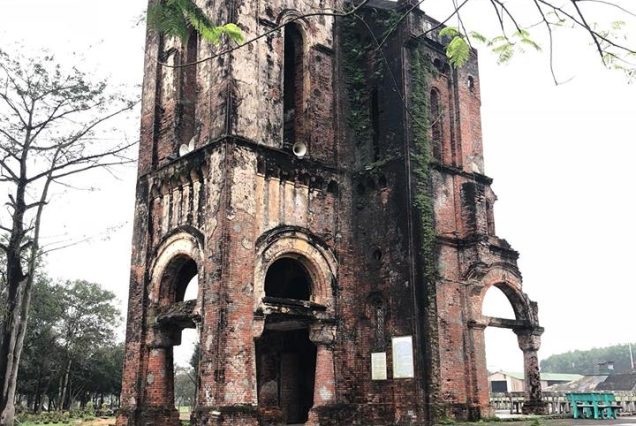
08:00 The tour guide will pick you up at the meeting point and start the journey to visit today’s destinations. The first stop is La Vang Cathedral, a major pilgrimage site for Catholics in Vietnam. On the way, visitors will stop to explore the Quang Tri Citadel, where a fierce battle raged for 81 days in 1972. Here, you will have the opportunity to see photographs, war remnants, and artillery.

Continue along National Highway 1, crossing the Hien Luong Bridge over the Ben Hai River, which marked the division between North and South Vietnam; this area saw fierce battles during the Vietnam War. Doc Mieu Firebase, located just to the north of this area, played a crucial role in the defense of the South and, for a time, served as the command post for calling in airstrikes along the Ho Chi Minh Trail.

Continue on to the next destination: the "Vinh Moc Tunnels." Along the way, you will pass through beautiful villages and along the coast of Cua Tung Beach. The Vinh Moc village area is one of the most heavily bombed regions in Vietnam. To escape the bombings, the locals constructed a 2.8 km long tunnel, which they used as a refuge during air raids.

From the Vinh Moc Tunnels, head to Truong Son National Cemetery, where approximately 15,000 Vietnamese soldiers and civilians are laid to rest; however, many tombstones remain nameless.

Continue southwest to Khe Sanh, the site of one of the most significant battles in the Vietnam War, where an old base features bunkers, helicopters, and a display museum. Along the way, you will pass by 'Rockpile,' a high, isolated mountain that served as an important observation point for the Americans, as well as the Dakrong Bridge, which leads into access points of the Ho Chi Minh Trail. In the late afternoon, depart back to Hue, concluding today’s tour.

Tour Map

Contac us

Phone Number
From
$0.00
Booking Form
Enquiry Form
0
$0.00
$0.00
Available:
Total:
0
$0.00
$0.00

You May Like

The best time to visit Vietnam

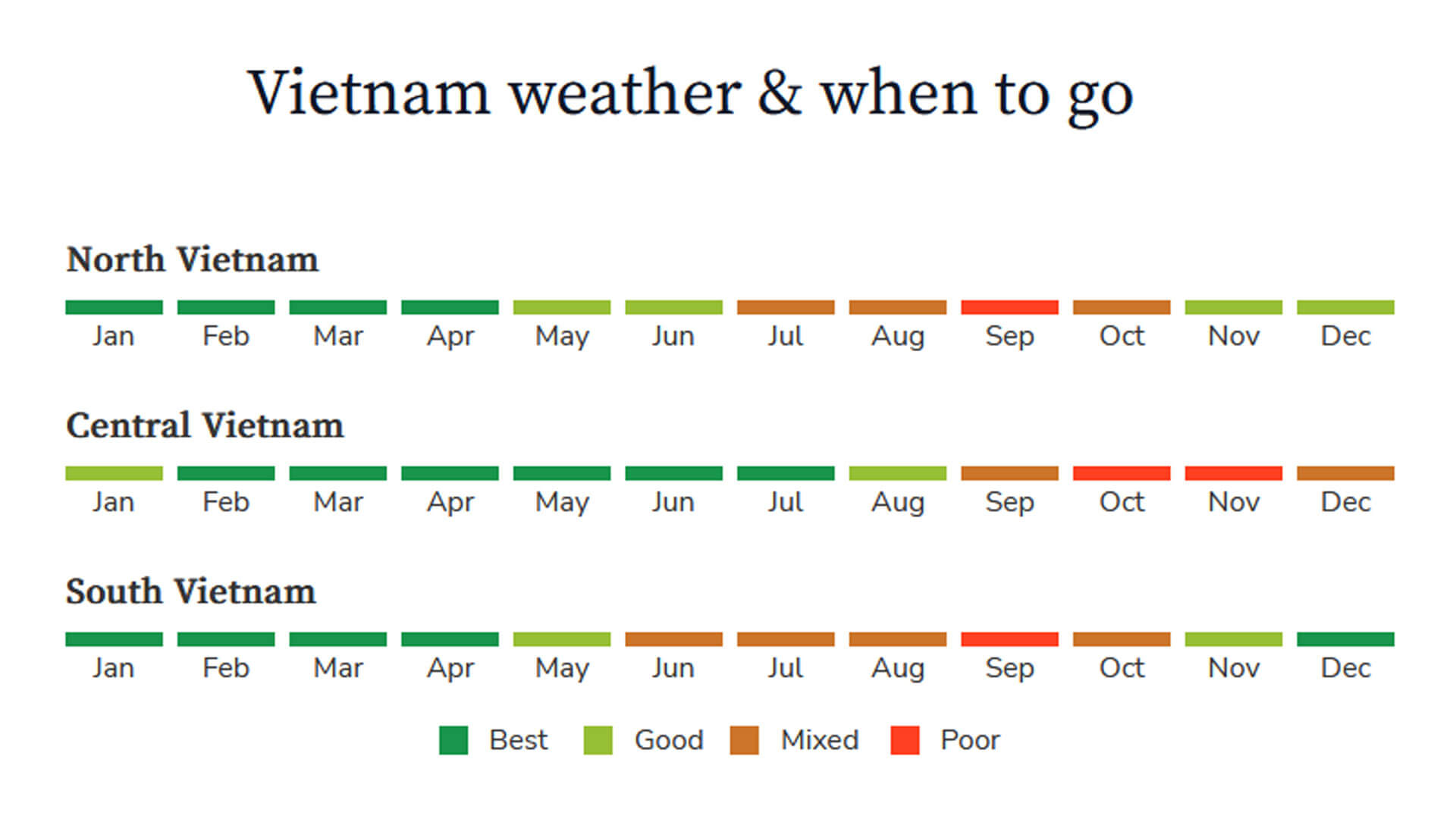
If you want to visit Vietnam, you might be wondering what the weather is like in different months. Well, it depends on where you go and what you want to do. Vietnam has a diverse climate, so there is no one-size-fits-all answer. But don’t worry, I’ll give you a general overview of what to expect in each month, based on the average weather patterns. You can also check out the holidays and events that happen in each month in Vietnam.

January
This is a good month to enjoy the dry and pleasant weather in most parts of Vietnam, except for the north. The north can get quite cold, especially in the morning and evening. You might need some warm clothes and jackets if you go to places like Sapa and Ha Giang. If you’re looking for some beach time, head to Phu Quoc, where the sun is always shining. Just be aware that Halong Bay can be foggy this month, so you might not see the best views.

February
The weather gets warmer in most of Vietnam, except for the north, which still feels chilly. This is a high season for tourism, so expect more crowds and higher prices. But it’s also a great time to experience the TET festival, which is the Vietnamese New Year. It’s a big celebration with lots of food, fireworks, and fun. Just keep in mind that many shops, museums, and restaurants are closed for about a week during TET.

March
This is one of the best months to visit Vietnam, as the weather is fantastic everywhere. You have more options for beach destinations, such as Mui Ne, Con Dao, and Nha Trang. Hoi An is also a lovely place to enjoy the beach and the old town. This is also a great time to visit Halong Bay, which should have clear blue skies and no fog.

April
Like March, April is another great month to visit Vietnam, with amazing weather everywhere. This is also a high season for tourism, so be prepared for more crowds and higher prices.

May
The weather gets hotter in May, but it’s still a good time to visit Vietnam before the rainy season starts. You might get some rain in the north and south by the end of the month, but nothing too serious. You can also take advantage of the lower prices after the high season.

June
You might get some rain in the north and south of Vietnam, but it’s usually not too bad. You can still enjoy the sunny days in Hanoi, Mai Chau, and Halong Bay. The best place to be is in central Vietnam, where the weather is still dry and sunny. You can relax on the beaches of Lang Co and Hoi An, or explore the countryside and culture. This is also a good time to travel before the school holidays start next month.

July
Central Vietnam is still the best place to be in July, with lots of sunshine and little rain. The rest of Vietnam might have some showers, but they won’t ruin your fun.

August
Central Vietnam is still a good place to visit in August, although you might get some more rain by the end of the month. The rest of Vietnam might also have some rain, but it’s not too bad. You can also enjoy some discounts on flights and hotels during the low season.

September
This is a good month to catch the last sun on the central coast of Vietnam before it gets too rainy. The north and south are usually very wet this month, but you can still find some bargains on hotels.

October
The weather gets better in the north of Vietnam in October, and this is a great time to visit places like Sapa or Ha Giang. You can admire the stunning scenery of rice terraces, valleys, and mountains that change color with the seasons. You can also hike, bike, or stay with the local people who live there. This is not a good month for beach lovers, but Vietnam has so much more to offer than just beaches. And traveling in October means you avoid the crowds.

November
The high season starts again in November, as many people come to Vietnam for the cooler winter months in the north. By the end of the month, most of Vietnam is hot and dry again, except for the central region, which might have some rain.

December
There is still a chance of rain in the central part of Vietnam in December; however, most of Vietnam is hot and dry again. The beach season starts again on Phu Quoc island. You should book early for Christmas time, as it can get very busy.