


Experience the magic of Con Dao with a 2 day tour! Witness sea turtles nesting at night, snorkel among coral reefs, and release baby turtles into the ocean at sunrise.



2
Experience the magic of Con Dao with a 2 day tour! Witness sea turtles nesting at night, snorkel among coral reefs, and release baby turtles into the ocean at sunrise.
Join our 2-day Con Dao turtle conservation tour for a once-in-a-lifetime experience! Snorkel in crystal-clear waters, explore Bay Canh Island’s turtle incubation site, and witness sea turtles laying eggs at night. Wake up early to release baby turtles into the ocean, supporting conservation efforts while immersing yourself in nature’s wonders.
Transfer from the port to Bay Canh Island
Depart from the port by boat and enjoy a scenic ride to Bay Canh Island, an important site for sea turtle conservation, surrounded by pristine nature.
Snorkel to explore vibrant coral reefs
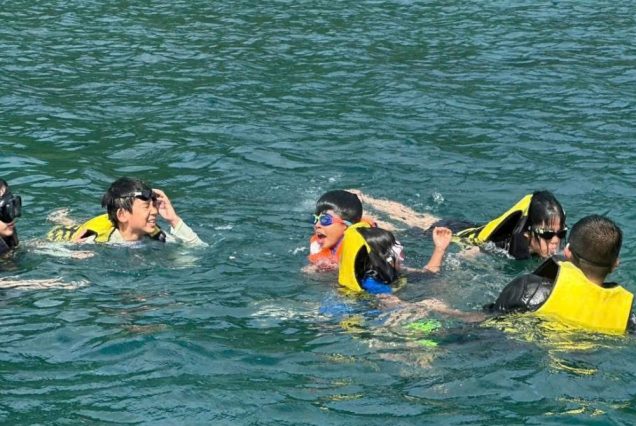
Upon arriving at Bay Canh Island, enjoy snorkeling in its crystal-clear waters, where vibrant coral reefs and a rich array of marine life await. The island offers one of the best spots for underwater exploration, perfect for both beginners and nature lovers.
While snorkeling, you’ll also hear the story of how El Niño has affected the marine ecosystem. Your guide will explain how rising sea temperatures have led to coral bleaching, disrupted marine biodiversity, and challenged the health of reef systems—giving you a deeper appreciation for the fragile beauty beneath the waves.
Tour Bay Canh Island
Explore the island while gaining in-depth insights into its sea turtle conservation program—a meaningful journey connecting nature, wildlife, and community-based efforts.
You’ll visit the sea turtle incubation area, where eggs are carefully monitored and protected throughout their development. Your guide will explain the challenges faced in sea turtle conservation, including threats from climate change, pollution, and human activity, as well as the specific steps taken to safeguard these endangered species.
During the experience, you’ll:
The journey also takes you into the mangrove forests that fringe the island—a vital ecosystem that protects coastlines, filters water, and provides habitat for countless aquatic species.
Check-in, dinner, and rest.
Evening Wildlife Observation
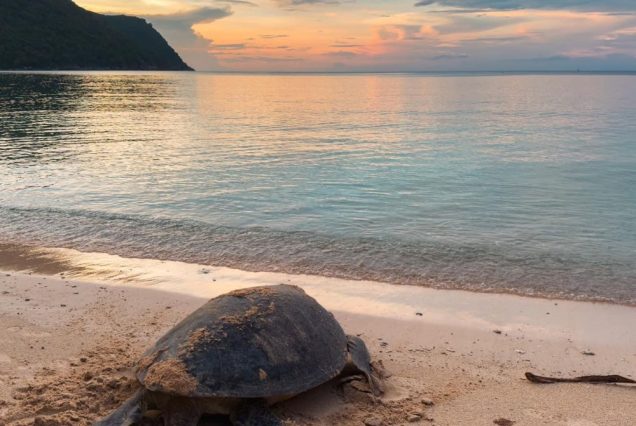
A Rare Moment – Witness Sea Turtle Nesting.
Release more baby turtles into the ocean
Release Baby Turtles into the Ocean In the early morning, you may have the special opportunity to join a baby sea turtle release, helping the hatchlings make their first journey into the ocean under the soft light of dawn. This experience depends on natural hatching cycles, so if the eggs happened to hatch the day before, you’re in luck — it's a rare and unforgettable chance to witness the very beginning of a sea turtle’s life. All releases are conducted under the supervision of conservation staff to ensure the safety of the turtles and minimize human impact on their natural behavior.
Return to the port
After the turtle release, return to the port, concluding your enriching experience on Bay Canh Island.
Contac us
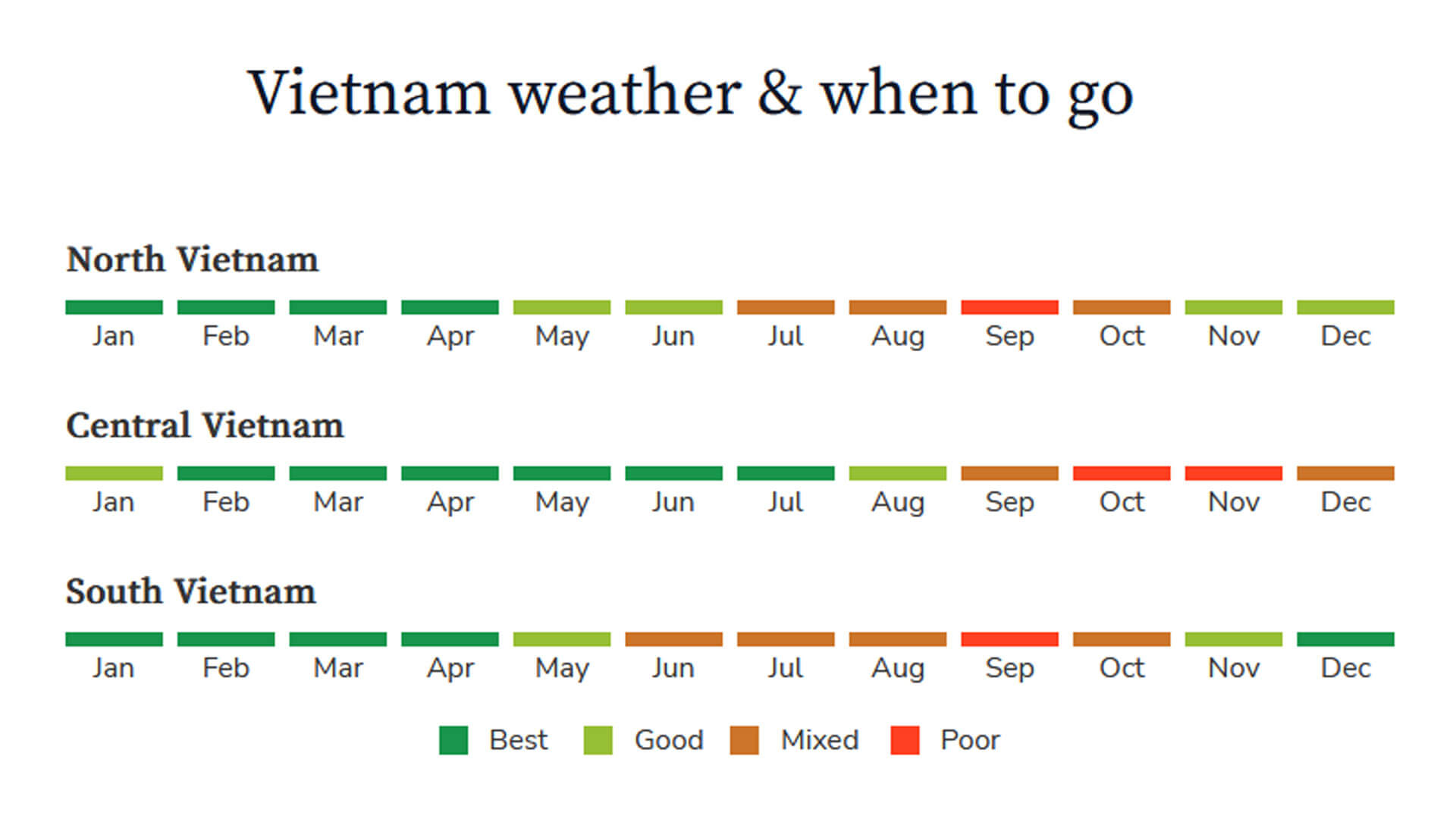
If you want to visit Vietnam, you might be wondering what the weather is like in different months. Well, it depends on where you go and what you want to do. Vietnam has a diverse climate, so there is no one-size-fits-all answer. But don’t worry, I’ll give you a general overview of what to expect in each month, based on the average weather patterns. You can also check out the holidays and events that happen in each month in Vietnam.
January
This is a good month to enjoy the dry and pleasant weather in most parts of Vietnam, except for the north. The north can get quite cold, especially in the morning and evening. You might need some warm clothes and jackets if you go to places like Sapa and Ha Giang. If you’re looking for some beach time, head to Phu Quoc, where the sun is always shining. Just be aware that Halong Bay can be foggy this month, so you might not see the best views.
February
The weather gets warmer in most of Vietnam, except for the north, which still feels chilly. This is a high season for tourism, so expect more crowds and higher prices. But it’s also a great time to experience the TET festival, which is the Vietnamese New Year. It’s a big celebration with lots of food, fireworks, and fun. Just keep in mind that many shops, museums, and restaurants are closed for about a week during TET.
March
This is one of the best months to visit Vietnam, as the weather is fantastic everywhere. You have more options for beach destinations, such as Mui Ne, Con Dao, and Nha Trang. Hoi An is also a lovely place to enjoy the beach and the old town. This is also a great time to visit Halong Bay, which should have clear blue skies and no fog.
April
Like March, April is another great month to visit Vietnam, with amazing weather everywhere. This is also a high season for tourism, so be prepared for more crowds and higher prices.
May
The weather gets hotter in May, but it’s still a good time to visit Vietnam before the rainy season starts. You might get some rain in the north and south by the end of the month, but nothing too serious. You can also take advantage of the lower prices after the high season.
June
You might get some rain in the north and south of Vietnam, but it’s usually not too bad. You can still enjoy the sunny days in Hanoi, Mai Chau, and Halong Bay. The best place to be is in central Vietnam, where the weather is still dry and sunny. You can relax on the beaches of Lang Co and Hoi An, or explore the countryside and culture. This is also a good time to travel before the school holidays start next month.
July
Central Vietnam is still the best place to be in July, with lots of sunshine and little rain. The rest of Vietnam might have some showers, but they won’t ruin your fun.
August
Central Vietnam is still a good place to visit in August, although you might get some more rain by the end of the month. The rest of Vietnam might also have some rain, but it’s not too bad. You can also enjoy some discounts on flights and hotels during the low season.
September
This is a good month to catch the last sun on the central coast of Vietnam before it gets too rainy. The north and south are usually very wet this month, but you can still find some bargains on hotels.
October
The weather gets better in the north of Vietnam in October, and this is a great time to visit places like Sapa or Ha Giang. You can admire the stunning scenery of rice terraces, valleys, and mountains that change color with the seasons. You can also hike, bike, or stay with the local people who live there. This is not a good month for beach lovers, but Vietnam has so much more to offer than just beaches. And traveling in October means you avoid the crowds.
November
The high season starts again in November, as many people come to Vietnam for the cooler winter months in the north. By the end of the month, most of Vietnam is hot and dry again, except for the central region, which might have some rain.
December
There is still a chance of rain in the central part of Vietnam in December; however, most of Vietnam is hot and dry again. The beach season starts again on Phu Quoc island. You should book early for Christmas time, as it can get very busy.