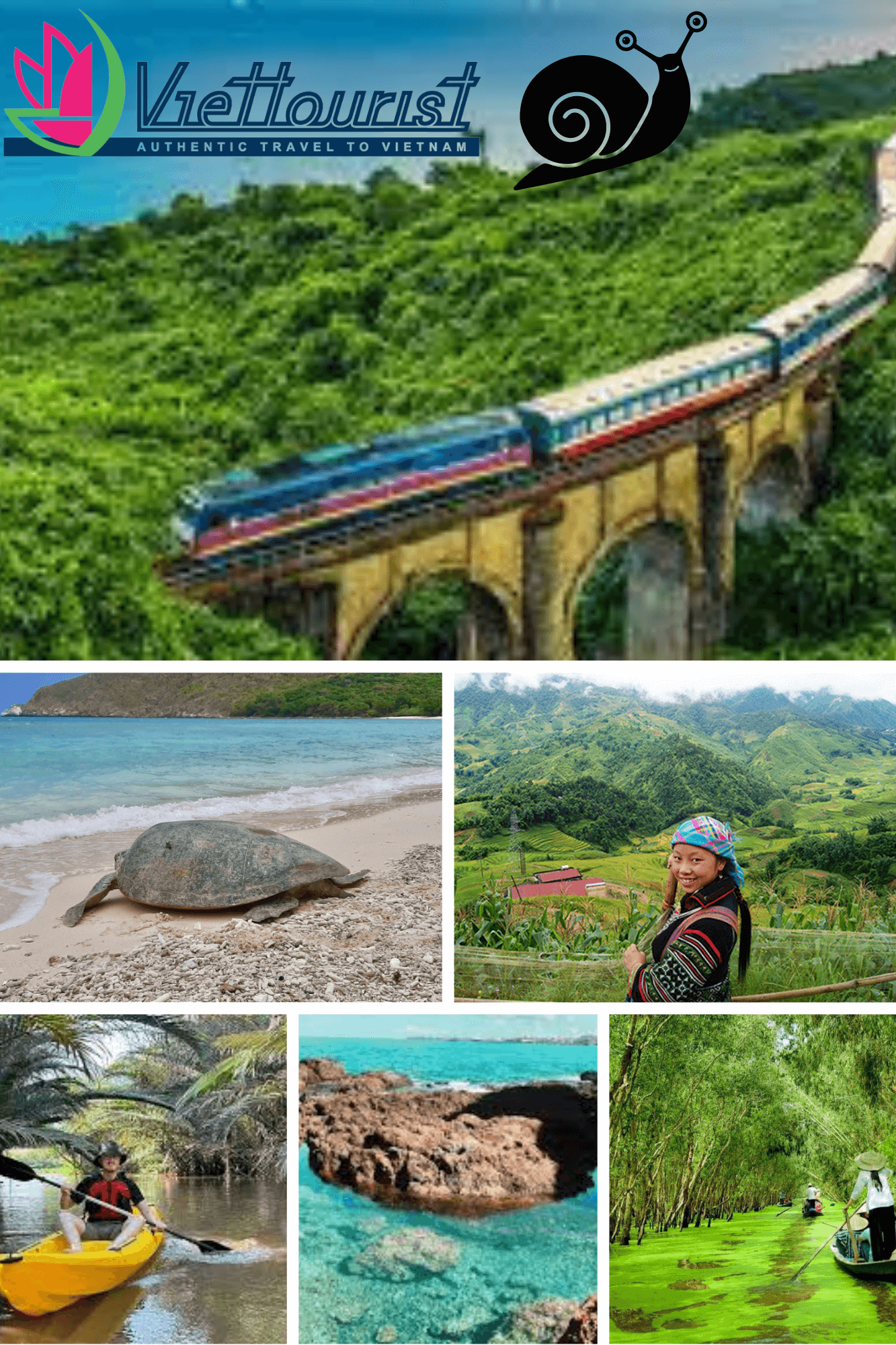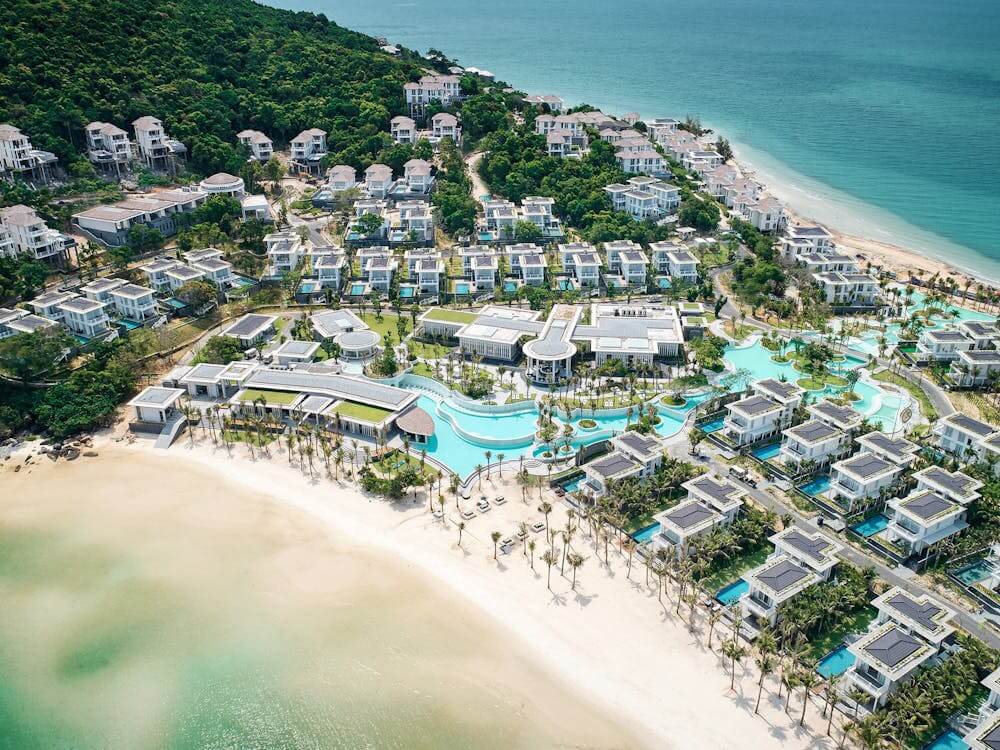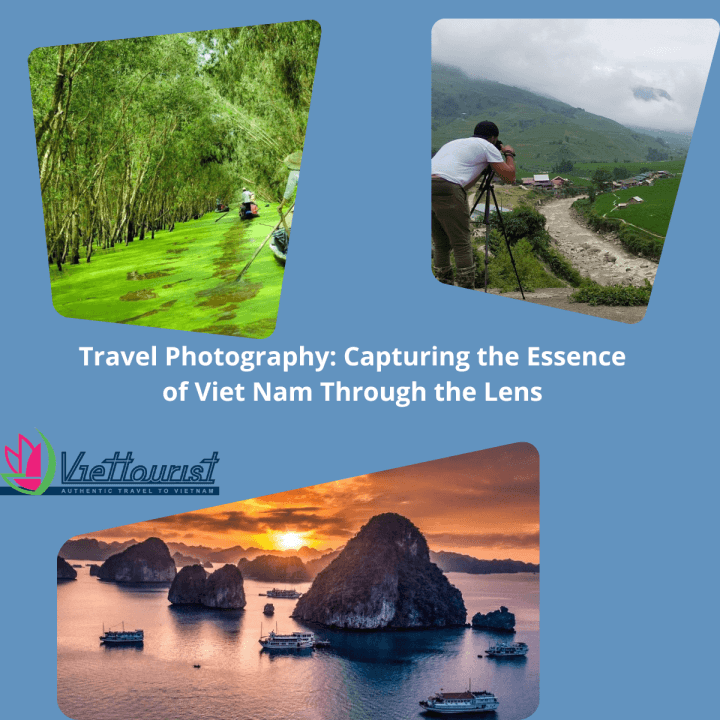
Traveling is above all a sensory adventure where every street corner, every smile, and every landscape tells a unique story. For travel photography enthusiasts, Viet Nam offers a vibrant and diverse canvas just waiting to be captured through the lens. From the mystical mist of the northern mountains to the bustling floating markets of the Mekong Delta, every shot can capture a moment of Vietnamese life. But how do you capture the true essence of this mesmerizing country? This article guides you through the best photographic spots in Viet Nam while raising awareness about responsible photography, respectful of local cultures.
1. A Blend of Tradition and Modernity
Viet Nam’s capital, Hanoi, is a must-see starting point for any photographer. Its French colonial architecture, ancient temples, and tranquil lakes provide a stark contrast to the effervescent energy of its streets.
Best spots in Hanoi:
- The Old Quarter (Hoan Kiem): Stroll through the narrow streets to capture the daily life of Hanoians. Street vendors, street food stalls, and old buildings offer countless opportunities for authentic urban portraits.
- The Temple of Literature: This historic site, dedicated to Confucius, is a haven of peace where greenery and traditional architecture blend perfectly. Ideal for shots of culture and serenity.
- The Long Bien Bridge: For lovers of sunset photos, the Long Bien Bridge, built by the French, offers a breathtaking view of the Red River and the surrounding area.
2. Ha Long Bay: A Natural Wonder to Photograph
A UNESCO World Heritage Site, Ha Long Bay is a photographer’s paradise. Its thousands of karst islets emerging from the emerald waters offer breathtaking panoramas.
Tips for capturing Ha Long Bay:
- Golden Hour: To get the best photos, plan your sessions for dawn or dusk. The soft light envelops the rock formations in a golden hue, creating a magical atmosphere.
- From a boat: Renting a boat to sail among the islets allows you to capture unique perspectives and capture the vastness of the landscape.
- Aerial photography: If you have the opportunity, a seaplane flight over the bay will provide you with spectacular views and stunning aerial shots.
3. Sapa and the Rice Terraces: The Land of Clouds
In northern Viet Nam, Sapa is renowned for its mist-shrouded mountains and terraced rice paddies carved into the valleys. Photographers will be delighted by the color contrasts between the green rice fields and the colorful clothes of ethnic minorities.
Highlights in Sapa:
- Mu Cang Chai Rice Fields: Less crowded than Sapa’s, the Mu Cang Chai Rice Fields offer equally spectacular scenery, perfect for sunrise photos when the terraces are bathed in golden light.
- Ethnic Villages: Visit villages like Cat Cat or Ta Van to capture the lives of the Hmong and Dao minorities. Don’t forget to ask permission before taking pictures of the locals.
- Fansipan: Climbing Mount Fansipan, Viet Nam’s highest peak, offers unique opportunities for panoramic photography. If you’re not a fan of hiking, the cable car will take you to the top for stunning views.
4. Huế: The Imperial City with Timeless Charm
Former imperial capital, Huế is a city steeped in history and spirituality. The royal tombs, pagodas and citadel of Huế are photographic treasures that will transport you to another era.
Must-sees of Huế:
- The Imperial City: Explore the remains of the former capital of the Nguyen emperors. The imposing doors, the decorated pavilions, and the lotus pools offer an infinite number of photographic compositions.
- The Tombs of the Emperors: Each of the royal tombs, such as those of Tu Duc or Khai Dinh, has a distinct architecture and ambience, perfect for mystical photographs.
- Thien Mu Pagoda: Located on the banks of the Perfume River, this iconic pagoda is one of the symbols of Huế. The sunset is particularly photogenic.
5. Hoi An: A Living Array of Colors and Lights
Hoi An, with its colorful lanterns and wooden houses, is one of the most picturesque places in Viet Nam. The old town, a UNESCO World Heritage Site, offers the perfect backdrop for romantic and nostalgic shots.
Photography spots in Hoi An:
- The Streets of the Old Town: To get lost in the alleys of Hoi An is to discover scenes of daily life bathed in the subdued light of lanterns. The yellow facades of the houses blend perfectly with the blue of the sky, creating a striking contrast.
- The Japanese Bridge: This covered bridge, emblematic of Hoi An, is a must-see. For a unique shot, capture it at sunrise, before the crowds arrive.
- Hoi An Market: Vibrant and colorful, Hoi An Market is a perfect place for photographing scenes of local life. Here, the fruit stalls, spices, and fresh fish offer an explosion of colors.
6. The Mekong Delta: A Journey Along the Water
The Mekong Delta, with its floating markets, lush orchards, and winding canals, is a photographer’s paradise. Life is punctuated by water, creating unique scenes to capture.
Photographing the Mekong Delta:
- Floating Markets: Floating markets like Cai Rang offer authentic scenes of life. Arrive early in the morning to capture the hustle and bustle of trade between the ships.
- Overwater Villages: Visit the villages along the canals to capture the lives of the locals. Here, photography becomes a testament to the unique traditions and way of life of the Mekong.
- Khmer pagodas: Less known, the Khmer pagodas of the delta offer magnificent architecture and serene atmospheres, perfect for meditative shots.
7. Responsible Photography: Respecting Local Cultures
Traveling with a camera in hand comes with a lot of responsibility. Photography, while powerful, should always be practiced with respect for the people and places you are immortalizing.
Tips for responsible photography:
- Ask for permission: Before photographing a person, especially in rural areas or ethnic communities, always ask for permission. A smile or a simple hand gesture can be enough.
- Respect sacred places: When photographing temples or places of worship, be sure to follow local rules. Some areas may be off-limits to photography.
- Be discreet: Avoid disrupting the daily lives of locals by looking for the “perfect shot.” Sometimes, discretion allows you to capture more authentic moments.
- Share your photos: If possible, share your photos with the people you’ve photographed. It’s a simple but appreciated gesture, which strengthens the bonds between travelers and locals.
8. Conclusion: Immortalizing Viet Nam with Ethics and Passion
Travel photography in Viet Nam is a rich and challenging adventure. Every region, every face, and every landscape offers an opportunity to capture the essence of this fascinating country. But beyond the images, it is crucial to travel and photograph with a responsible ethic, respectful of local cultures and people.
By following these tips and exploring these iconic spots, you will not only be able to bring back unforgettable memories but also contribute to a better understanding and appreciation of Viet Nam and its cultural riches. So, get your camera ready, open your heart, and discover the soul of Viet Nam, one image at a time.