Vietnam, renowned for its rich culture, stunning scenery and warm welcome, attracts millions of visitors from all over the world every year. As global tourism evolves, so do traveler expectations and industry trends. By 2025, several new trends will shape Vietnam’s tourism industry, offering more immersive, sustainable, and innovative experiences. Let’s explore these changes and how they will influence your next trips to Vietnam.
- The Rise of Sustainable Tourism: Responsible Travel
Sustainable tourism is no longer just an option but is becoming a requirement for modern travelers. As environmental concerns grow, travelers are looking to reduce their carbon footprint and support local initiatives. Vietnam, with its outstanding natural heritage, is perfectly positioned to meet this growing demand for sustainability.
- Ecotourism and conservation : Vietnam has an incredible diversity of ecosystems, ranging from the lush rainforests of the northern mountains to the coral reefs of the southern islands. In 2025, it is expected that there will be an increase in local initiatives to protect these fragile environments while allowing visitors to discover these wonders. Travelers will be able to participate in conservation programs, such as coral reef restoration in Phu Quoc or reforestation in areas such as Sapa and Pu Luong.
- Community-based tourism : Community-based tourism, where travellers stay in villages and participate in local activities, is also booming. In 2025, this trend will continue to grow, providing travelers with the opportunity to experience the daily lives of ethnic minorities while contributing directly to the local economy. Villages in Ha Giang, Mai Chau, and Bac Ha provinces will offer new immersive experiences, such as traditional cooking classes, guided walks through rice terraces, or cultural festivals.
- Waste and plastic reduction : The Vietnamese government and local businesses are committed to reducing plastic waste. More and more hotels, restaurants and tourism providers will offer sustainable alternatives, such as reusable water bottles, burlap bags, and biodegradable packaging. Travellers themselves will be encouraged to adopt more environmentally friendly practices, such as using eco-friendly toiletries or choosing less polluting transport.
- The Emergence of New Eco-Responsible Luxury Hotels
Luxury is evolving in Vietnam, adapting to the new expectations of high-end travelers who are looking for refined stays while being environmentally friendly. In 2025, luxury resorts will focus not only on comfort, but also on a harmonious interaction with nature and local communities.
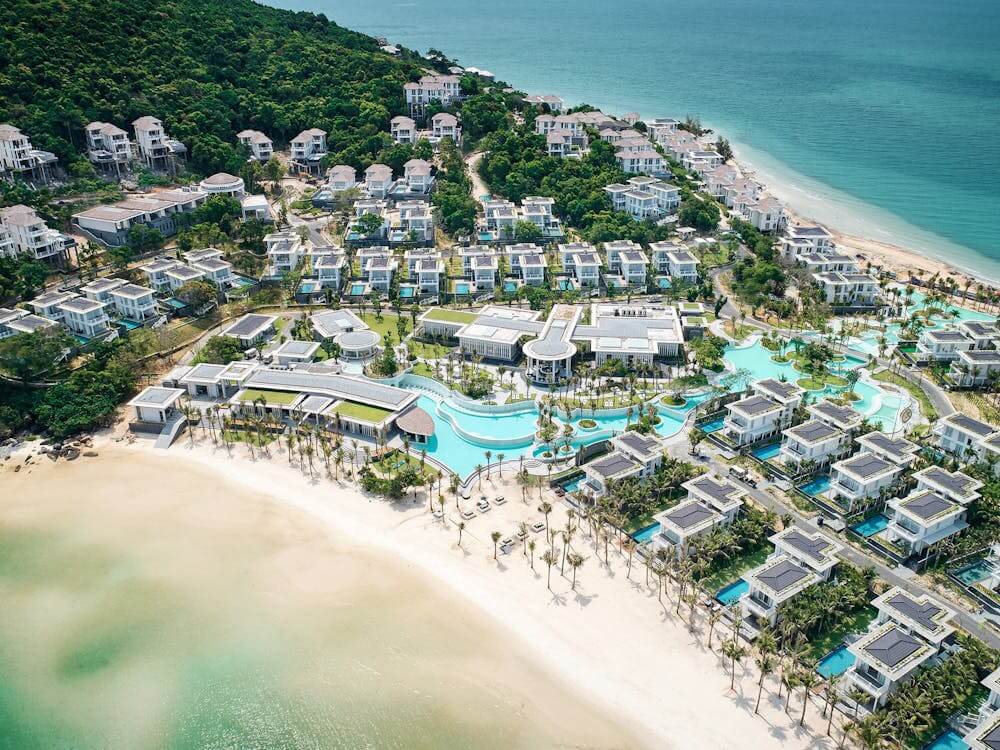
- Eco-responsible resorts in the middle of nature: Several international and local hotel chains will invest in ecolodges and resorts integrated into preserved natural environments. For example, destinations such as Con Dao, Ninh Van Bay, and the Tam Dao Mountains will see the opening of new eco-friendly resorts, built with local materials and powered by renewable energy. These resorts will offer a breathtaking view of the surrounding landscapes, while respecting the fragile ecosystem of these places.
- Refinement and holistic well-being : Wellness will take centre stage in luxury hotels, with an expanded range of treatments inspired by Vietnamese and Asian traditions. Travelers will be able to immerse themselves in integrated wellness programs, including yoga sessions, traditional herbal baths, and massages made with local herbs. The Alba Wellness Valley near Hue is a great example of this trend, offering natural healing experiences based on hot springs and ancient therapies.
- Sustainable and local gastronomy : Luxury will also be present on the plates. Chefs in five-star hotels will collaborate with local producers to offer fine cuisine that showcases organic and seasonal ingredients, while reducing food waste. Hotels such as Six Senses, Ninh Van Bay and Amanoi in Vinh Hy Bay will position themselves as pioneers of this sustainable gastronomic approach.
- Local and Cultural Immersion: Experience Authentic Vietnam
In the age of experience, travelers are looking to fully immerse themselves in the culture of the countries they visit. Vietnam, with its ancestral traditions and vibrant cultural practices, is an ideal destination for this type of experience.
- Craft workshops : Artisan villages will become focal points for cultural tourism in 2025. Travelers will have the opportunity to learn how to make traditional objects such as ceramics in Bat Trang, textiles in Sapa, or conical hats in Hue. These experiences are not only educational, but also support local communities and perpetuate skills passed down from generation to generation.
- Cultural festivals and local celebrations : Festivities in Vietnam are many and colorful, and in 2025, more travelers will participate in these cultural events. Festivals such as Tet Nguyen Đán (Lunar New Year), Mid-Autumn Festival, and Hoi An Lantern Festival will offer unique moments of sharing with the local people. These events represent a window into Vietnamese spirituality, ancestral customs and the importance of family ties.
- Gastronomic immersion : Vietnamese cuisine, known for its diversity and balance, will continue to be a central part of Vietnam travel in 2025. Experiences like food tours through local markets, cooking classes with Vietnamese families, or visits to organic farms will become even more popular. For example, in Hoi An, travelers can take part in excursions that include traditional fishing and harvesting organic vegetables before cooking their own meal.
- Slow Travel: Taking Time to Discover Vietnam in Depth
As the world becomes faster and faster, “slow travel” is emerging as an attractive alternative for travelers who want to take the time to explore destinations in depth. By 2025, Vietnam will be a top destination for this type of travel, thanks to its diverse landscapes, rich culture and diversity of experiences.
- Train travel : Traveling by train through Vietnam is already a magical experience, and this trend will only grow. The Reunification Express, connecting Hanoi to Ho Chi Minh City, will allow travelers to experience the country’s changing landscapes, from its lush green mountains to its sun-drenched coastlines, while minimizing their ecological impact. New rail routes, particularly to less accessible regions such as the Mekong Delta or the Central Highlands, could see the light of day in 2025.
- Extended stays in rural areas : Travelers will choose to spend more time in specific areas to truly immerse themselves in local life. For example, they can stay for several days in mountain villages, such as Ha Giang or Mu Cang Chai, to discover the rhythm of life of ethnic communities, participate in agricultural activities, or simply recharge their batteries in the middle of nature.
- Slow down to explore : Rather than running from one destination to another, visitors will opt for routes that promote in-depth discovery. Week-long excursions around Halong Bay, combined with visits to Cat Ba, Co To, or Quan Lan islands, will allow travelers to appreciate the beauty of the bay without rushing.
- Digitalization of Tourism Services: Easier and Smarter Travel
With the rise of new technologies, trip planning is becoming more intuitive and tourism services are becoming increasingly digital. By 2025, Vietnam will have achieved important milestones in the digitalization of its tourism industry, facilitating access to real-time information and interactive experiences.
- Personalized travel apps : Travelers will be able to organize their entire stay via all-in-one apps, allowing them to book their hotels, activities, and transportation. These apps will also offer personalized recommendations based on each traveler’s preferences. Some of them will offer ecological routes, favouring means of transport with a low environmental impact.
- Augmented reality tours : At historical sites such as My Son, the Hue Imperial Citadel and the Cu Chi Tunnels, visitors will be able to use augmented reality technologies to enrich their experience. These tools will provide detailed historical information, reconstructing scenes from the past and allowing for a complete immersion in the history of Vietnam.
Conclusion
The Vietnam of 2025 will be marked by travel trends that promote a more immersive, sustainable experience, and connected with local nature and culture. Whether you’re looking for adventure in the northern mountains, a cultural immersion in the craft villages, or a luxurious stay in an eco-friendly resort, Vietnam will meet your expectations. It is certain that this captivating country will continue to seduce travelers with its breathtaking landscapes, fine gastronomy and welcoming people, while harmoniously integrating innovations and the needs of responsible tourism.